

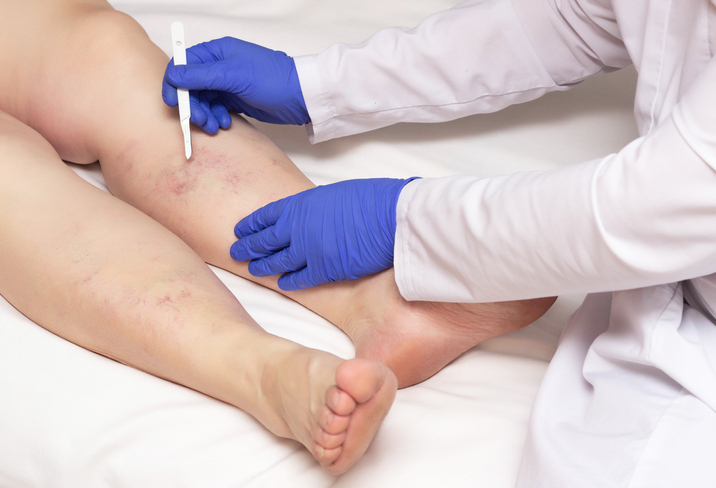
A vein clinic provides evaluation and treatment services for patients with vein-related concerns. These clinics offer diagnostic testing, personalized treatment plans, and ongoing support to improve vascular health and daily comfort. Here are four services offered at a vein clinic:
1. Vascular Ultrasound
A vascular ultrasound is a diagnostic tool used in a vein clinic to produce images of the veins and blood flow inside the body. Clinicians use it to detect blockages and blood clots, and it can also detect abnormal blood flow patterns in the veins. It is a non-invasive procedure that does not require incisions or needles, making it a common first step in vein evaluations.
During the exam, a technician places a small handheld device called a transducer on the skin. The transducer sends sound waves into the body and captures the returning signals to create real-time images. These images give the care team a clear picture of how blood is moving through the veins, and that information guides the next steps in a patient’s care plan.
2. Targeted Sclerotherapy Treatment
Sclerotherapy is a procedure used to treat spider veins and smaller varicose veins. A vein clinic provider injects a solution directly into the affected vein; the solution causes the vein wall to collapse and eventually fade from view. The body gradually absorbs the treated vein, and blood is rerouted through healthier nearby vessels. The procedure typically takes place in a clinic setting and does not require general anesthesia. Patients are usually able to return to their normal activities shortly after the appointment.
3. Non-Surgical Vein Treatments
Beyond sclerotherapy, vein clinics also offer a range of other non-surgical options for managing vein conditions. These treatments reduce symptoms and improve vein appearance without the need for incisions or general anesthesia. Here are some of them:
- Compression therapy: Patients wear specially fitted compression stockings that apply graduated pressure to the legs; it can support healthy blood flow and reduce swelling.
- Adhesive closure: This minimally invasive procedure uses a medical adhesive to seal off the affected veins, causing them to close and reroute blood flow to healthier veins.
- Lifestyle guidance: Clinicians may recommend specific activity levels, leg elevation practices, or dietary adjustments to manage vein-related symptoms over time.
Each of these options serves a specific purpose, and a provider will recommend one based on the type and severity of the vein condition.
4. Venous Ablation
Venous ablation is a minimally invasive procedure used at a vein clinic to treat larger varicose veins, especially those caused by faulty valves in the deeper veins of the leg. A clinician inserts a thin catheter into the affected vein and uses either heat (radiofrequency or laser energy) or a chemical agent to close it off. Once the vein is sealed, blood naturally redirects through healthier veins in the surrounding tissue.
The specialist performs the procedure under local anesthesia, and patients often experience minimal downtime. The risk of complications is generally lower than with traditional surgical vein stripping because no large incisions are made. Venous ablation is a key option for patients whose varicose veins have not responded to conservative treatments. Clinicians use ultrasound imaging to guide the catheter during the procedure; this adds a layer of precision to the treatment.
Visit a Local Vein Clinic
Vein care clinics offer a structured range of services, including diagnostic imaging and minimally invasive procedures. Non-surgical options also provide patients with accessible, low-risk ways to manage vein conditions. Each treatment serves a distinct purpose and is selected based on a thorough clinical evaluation. Contact a reputable vein clinic in your area to schedule your appointment today.
