

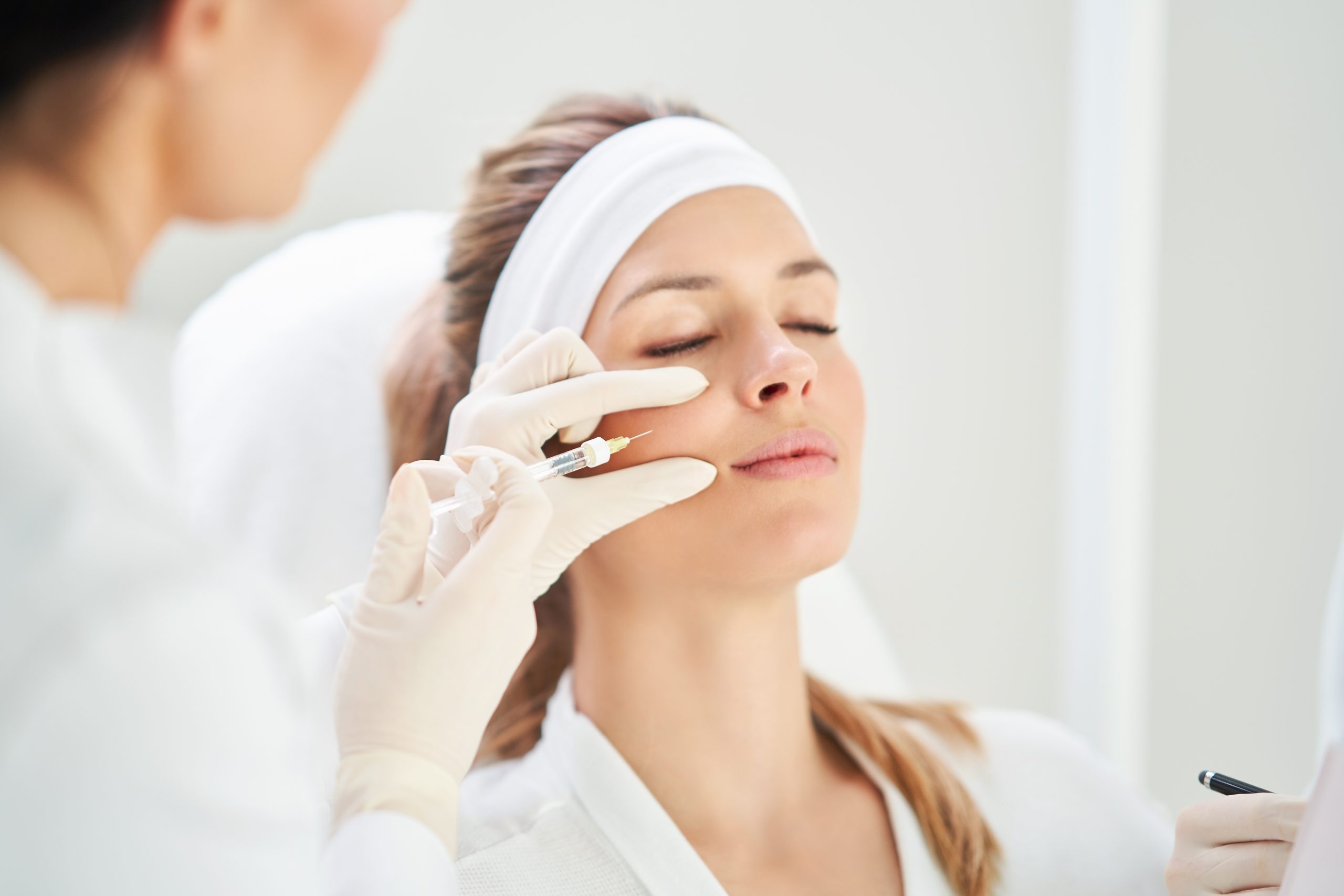
Botox injections are used to reduce the appearance of certain facial lines by temporarily relaxing targeted muscles. Understanding the expected benefits, potential side effects, and the need to choose a qualified provider can help patients make informed decisions about treatment. Here is a closer look at the risks and benefits of Botox injections:
How Does Botox Work?
Botox works by blocking signals between nerves and muscles. When a provider injects a small dose into a target muscle, that muscle relaxes, and the skin above it appears smoother. The effect is temporary, so the muscle slowly regains movement over several weeks or months. The treatment targets specific areas with great precision: a trained provider maps the muscles, selects the appropriate dose, and places each injection with a fine needle. This careful method limits the spread of the product, and it keeps nearby muscles working as they should.
What Benefits Does It Offer?
Botox offers a range of uses that fall into two main groups: cosmetic and medical. Here are some common reasons people choose this treatment:
- Smoothing facial lines: Botox relaxes muscles that cause frown lines, forehead creases, and crow’s feet.
- Reducing excessive sweating: Providers may use Botox to reduce sweat production in areas such as the underarms.
- Easing chronic migraines: Some patients receive Botox to manage frequent migraine days; a doctor decides if this option is a fit for their needs.
- Relaxing muscle spasms: Botox can calm certain muscle conditions, such as neck spasms or eyelid twitching, when other treatments fall short.
- Limiting jaw tension: A provider may inject the jaw muscles to ease clenching and reduce strain for some patients.
Botox offers targeted relief for various medical and cosmetic concerns.
What Are Its Side Effects?
Botox is a medical treatment, so it carries some risk of side effects. Common reactions include mild bruising, redness, or swelling at the injection site, and these usually fade within a few days. Rare side effects may occur and require medical attention. The toxin can spread beyond the target area in unusual cases, which may cause muscle weakness, trouble swallowing, or blurred vision. You should report any unexpected symptoms to your provider right away, and they can advise you on the next step.
Safe results depend heavily on the skill of the person who performs the procedure. A licensed provider reviews your health history, checks for allergies, and confirms that Botox suits you. This screening lowers your risk, and it makes the treatment safer overall.
What Happens During Treatment?
Knowing what happens during your visit helps you prepare for the procedure. Here’s what patients can expect:
- Initial consultation: Your provider reviews your goals, examines the treatment area, and explains the plan so you understand each step.
- The injection session: The provider applies several small injections that most people can tolerate well.
- Immediate aftercare: Your provider may ask you to avoid rubbing the area or lying down for a few hours.
- Visible results: The effects appear gradually over several days, and they reach full strength within a month.
- Follow-up visits: Botox wears off over time, so you may schedule repeat sessions to maintain your results; your provider will suggest a timeline.
These steps give you a clear picture of the process, and your provider can adjust the plan to match your specific needs.
Schedule Your Botox Appointment
Botox is a versatile treatment with both cosmetic and medical uses, and it works by relaxing targeted muscles for a set period. Understanding the Botox process can help you make informed decisions about your treatment. Maintaining regular sessions promotes long-lasting benefits, and your provider will guide you through the process. Contact a qualified aesthetic specialist near you to schedule your Botox appointment today.
