

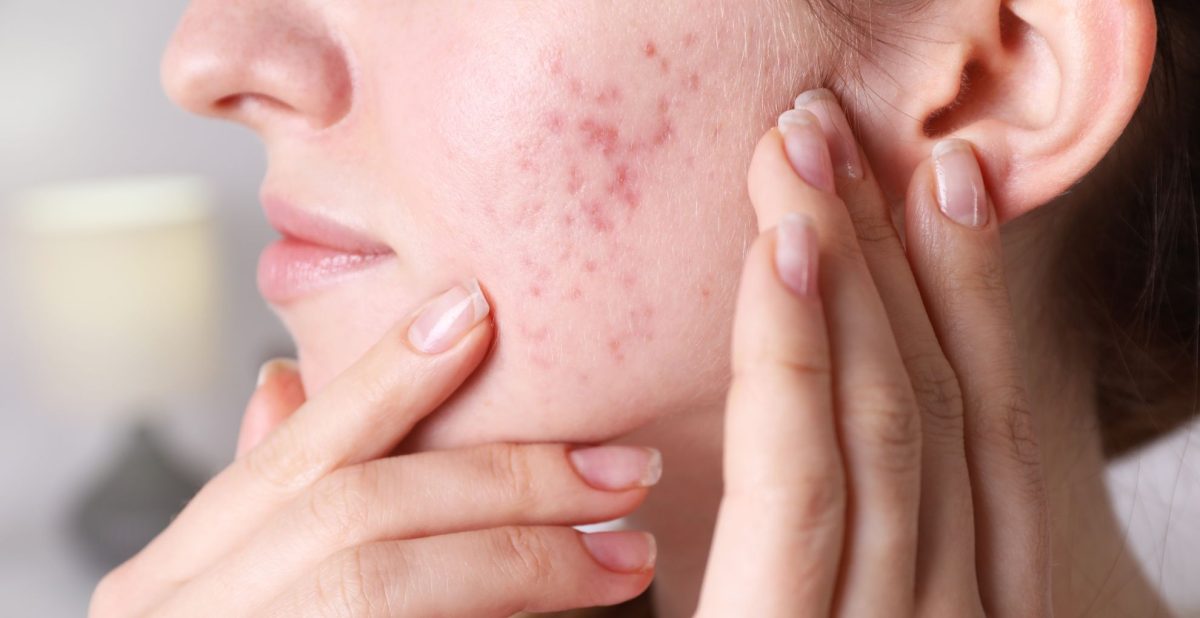
Dermatology focuses on the skin, hair, and nails, and dermatologists diagnose and treat a range of conditions. Their expertise includes both medical and cosmetic dermatologic care, allowing them to evaluate how skin responds to internal and external factors. When acne is tied to hormonal shifts, dermatologists evaluate the underlying causes and recommend treatments that address symptoms and causes. Here is some information about dermatology’s role in treating acne and hormonal changes:
Understanding the Hormone-Acne Connection
Hormonal fluctuations can significantly affect the skin, often triggering or exacerbating acne. Hormones influence how much oil your skin produces; when androgen levels rise, oil glands often become more active. As excess oil builds up with dead skin cells, clogged pores form, which allows acne to develop. Many people notice flare-ups during puberty and menstrual cycles.
Hormonal acne tends to appear along the jawline, chin, and lower cheeks. It often shows up as deep, tender bumps rather than surface-level whiteheads. A dermatologist examines these patterns, and they link the symptoms to potential hormonal triggers. This assessment distinguishes hormonal acne from other types, which guides treatment.
Reviewing Treatments for Hormonal Acne
Treatment depends on the severity of your acne and your overall health. Dermatologists recommend various options, and combining approaches provides more comprehensive treatment. Here are some treatments for hormonal acne:
- Topical treatments: Retinoids, benzoyl peroxide, and topical antibiotics target clogged pores and bacteria on the skin surface.
- Oral medications: Antibiotics reduce inflammation, while hormonal therapies, such as certain birth control pills, address androgen activity.
- Procedural options: Chemical peels, light-based therapies, and drainage of large lesions support other treatments in some cases.
Each option has its own timeline and potential side effects. A dermatologist explains what to expect, how to apply or take each treatment, and which signs warrant a follow-up. They also factor in your daily routine, since consistency affects how a plan performs. Treatment for hormonal acne rarely works overnight, and progress usually unfolds over weeks or months.
Getting Personalized Follow-Ups
Since acne patterns evolve over time, a single appointment doesn’t provide a complete understanding of the condition. Follow-up visits let your dermatologist track how your skin responds, and they adjust the plan as needed. During check-ins, they review which products you tolerate well and which cause irritation.
You also play a part in this process. Sharing details about new breakouts, lifestyle changes, or medication side effects gives your dermatologist a stronger understanding of your condition. If one treatment falls short, the next visit is an opportunity to test a different combination. This shapes a plan that fits your skin, and it supports long-term acne management.
Some patients need only a few visits, while others benefit from longer-term monitoring. Hormonal acne linked to conditions like polycystic ovary syndrome may call for coordination with other doctors. Your dermatology clinic helps organize that wider picture so each part of your care stays aligned.
Visit a Dermatology Clinic
Hormonal acne responds to a structured, evidence-based approach, and a dermatologist is trained to build a customized treatment plan. From the initial evaluation through ongoing follow-ups, treatments are tailored to your skin and circumstances. Lasting results take patience and regular communication with your provider. If breakouts have lingered despite over-the-counter products, a professional assessment offers targeted results. Schedule an appointment at a dermatology clinic today.
