

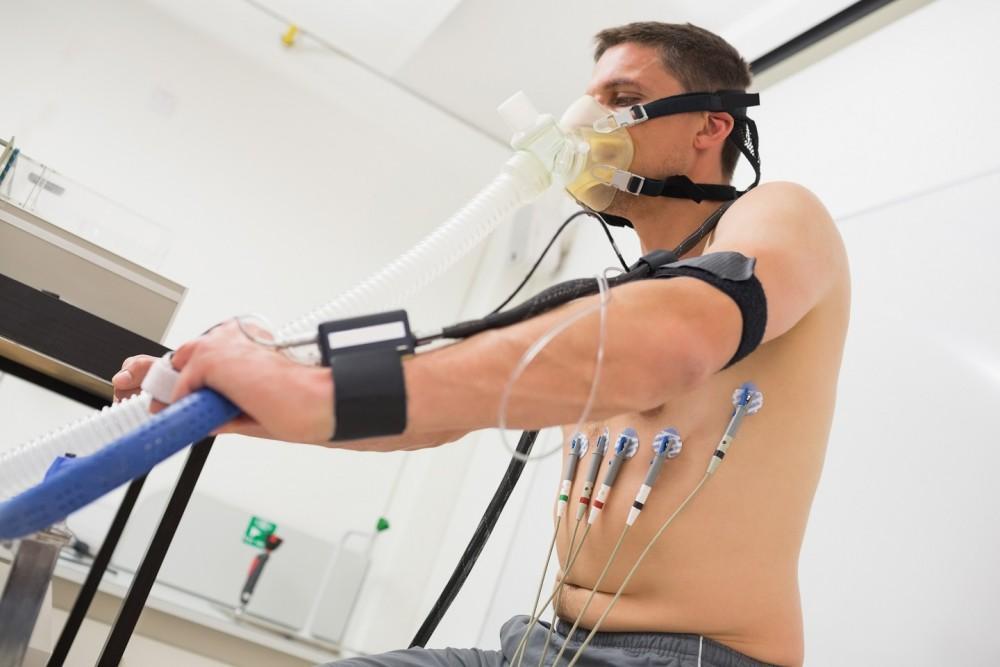
When physicians want a closer look at how the heart performs during physical activity, they can utilize nuclear stress testing. This diagnostic approach combines exercise or medication with specialized imaging to show how blood moves through the heart muscle. The test offers a clear picture of cardiac function that standard exams may not reveal, and understanding what the procedure entails can help you feel more prepared if your doctor recommends it.
What Is Nuclear Stress Testing?
Nuclear stress testing is a diagnostic exam that measures blood flow, both at rest and during periods of exertion. A small amount of a radioactive tracer is introduced into the bloodstream, and a special camera captures images of how that tracer travels through the heart. Areas receiving healthy blood flow appear differently from areas where flow is reduced or blocked.
Doctors often request this test when a person reports chest discomfort, shortness of breath, or fatigue that may point to a heart concern. It can also be used to evaluate how well the heart is functioning after a known cardiac event, or it is used to assess the results of a prior treatment. Because the imaging captures the heart under two different conditions, the comparison helps medical professionals identify previously unnoticed changes.
What Does It Involve?
The exam typically takes place in two stages: a resting phase and a stress phase. Each stage produces its own set of images, and these are later compared. During the resting phase, a technician places small electrodes on your body to monitor your heart rhythm. The tracer is then injected through a vein. After a short waiting period, you lie still while the camera records images of your heart at rest.
The stress phase follows. If you are able to exercise, you will walk on a treadmill while the intensity gradually increases. The goal is to raise your heart rate to a target level so the heart works harder. For patients who cannot exercise, a medication may be given instead to mimic the effects of exercise on the heart. Once your heart reaches the desired level of activity, a second dose of tracer is injected, and another set of images is taken.
Throughout the procedure, the staff monitors your blood pressure and heart rhythm. The entire process can last a few hours, and waiting periods between injections and imaging are part of the schedule. Wearing comfortable clothing and supportive shoes may make the experience smoother.
What Should You Expect?
Most people return to their usual routine soon after the test concludes. The tracer leaves the body naturally, and drinking water can help speed that process along. If medication was used during the stress phase, any temporary effects generally fade within a short time. Your care team will review the images and compare the resting and stress results. A physician then interprets the findings and discusses them with you, often during a follow-up appointment. The results may help your doctor decide whether further testing, lifestyle adjustments, or specific treatments are appropriate for your situation.
Seek Professional Testing Services
Choosing a provider for nuclear stress testing supports accurate results. If your doctor has suggested this exam, reach out to a cardiac testing center to book an appointment and ask any questions you may have. A conversation with a knowledgeable provider will help guide your next steps, and it can provide you with clarity about the care you receive.
