

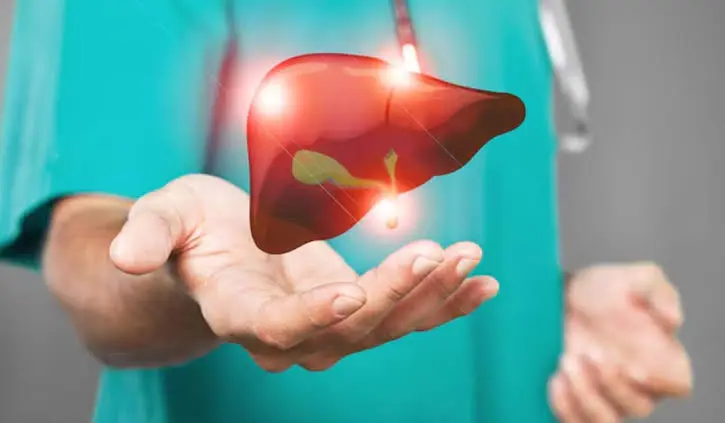
Liver disease affects millions of people worldwide. Symptoms are often subtle early on, but many people do not notice them until the condition advances. Because early signs can be mild, liver disease is frequently diagnosed at a later stage. Here is more information about the relationship between liver disease symptoms and diagnosis:
Common Liver Disease Symptoms
Liver disease symptoms vary widely depending on the condition and its stage. Some people experience obvious, disruptive signs early on, while others notice only mild changes that are easy to dismiss.
Jaundice—yellowing of the skin and eyes—is one of the most recognizable signs of liver dysfunction. It develops when the liver fails to process bilirubin, a yellow compound produced during the breakdown of red blood cells. Fatigue is another widespread symptom, and it often appears well before other signs become noticeable, making it easy to attribute to unrelated causes.
Abdominal pain, particularly in the upper right side of the body, frequently accompanies liver disease. Swelling in the abdomen, known as ascites, signals that fluid is accumulating due to poor liver function, and this typically reflects a more advanced stage of disease.
Symptom Pattern Recognition
Not all liver disease symptoms point to the same underlying condition. Different disorders produce distinct patterns, and these patterns help guide diagnosis. Fatigue and mild abdominal discomfort often appear in fatty liver disease, which includes both alcoholic and non-alcoholic forms. Non-alcoholic fatty liver disease is one of the most common chronic liver conditions worldwide, affecting a large portion of the population. Hepatitis B and C can cause flu-like symptoms, jaundice, and dark urine, while cirrhosis leads to more severe signs such as confusion, easy bruising, and swelling.
Recognizing symptom patterns allows physicians to focus testing more efficiently. This approach reduces the need for broad evaluations and supports faster identification of the underlying condition. Because liver diseases progress differently, early pattern recognition helps guide more targeted diagnostic decisions.
Diagnostic Testing Methods
Accurate diagnosis of liver disease requires more than a physical exam. Physicians combine laboratory testing, imaging, and specialized technology to evaluate liver health. These methods help identify inflammation, structural changes, and long-term tissue damage. Advanced tools also allow clinicians to assess disease progression and guide treatment planning without invasive procedures. Diagnostic tools include:
- Blood tests: Measure liver enzymes and proteins to assess function and inflammation.
- ALT and AST levels: Indicate possible liver cell damage or irritation.
- Ultrasound imaging: Provides real-time structural views of the liver.
- MRI scans: Offer detailed images of liver tissue and abnormalities.
- FibroScan® testing: Measures stiffness and fat without invasive biopsy procedures.
Gastroenterology Liver Care
Gastroenterologists specializing in hepatology focus on diagnosing and managing liver-related conditions. Hepatology is the branch of medicine that studies the liver, bile ducts, and related organs. These specialists use advanced tools and clinical expertise to interpret symptoms and guide patients through the diagnostic process.
A gastroenterologist reviews symptoms along with medical history, lifestyle factors, and test results. This comprehensive evaluation helps build a complete clinical picture and reduces the risk of misdiagnosis. Patients with persistent fatigue, unexplained weight loss, or abdominal discomfort often benefit from specialist care. General practitioners may not have the same access to specialized testing or liver-focused expertise.
Schedule Your Consultation Today
Liver disease symptoms rarely appear in isolation. They often signal underlying conditions that require careful evaluation. Accurate diagnosis depends on experienced specialists and advanced diagnostic tools working together. Schedule a consultation with a gastroenterology provider to evaluate symptoms and begin appropriate care.
