

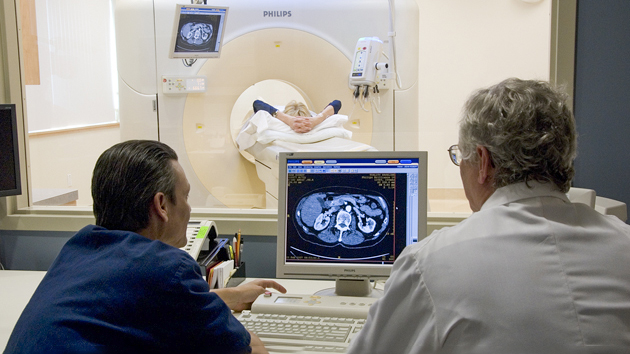
Finding the source of musculoskeletal pain is the first step toward treatment. A Medical Diagnostic Imaging Center provides imaging that helps identify problems affecting joints, muscles, tendons, ligaments, and other soft tissues. The results give referring providers detailed information that supports treatment decisions. Accurate imaging also helps patients move forward with a clearer understanding of their condition.
Learn About Imaging
Different imaging methods provide different types of information. A Medical Diagnostic Imaging Center that focuses on musculoskeletal ultrasound examines soft tissues and joints in real time. Unlike imaging that captures only still images, ultrasound allows providers to evaluate tissues while they move. Movement can reveal injuries that remain hidden during a static examination. This approach helps identify the source of pain with greater detail. It also produces images without using radiation.
Musculoskeletal ultrasound is performed in the office; providers can compare the affected area with the opposite side during the same examination. That comparison gives additional information about changes in the injured tissue. The examination also provides clear diagnostic information that referring providers can use when developing a treatment plan.
Support Treatment Decisions
Imaging findings guide the next stage of care. The examination identifies the source of pain. Referring providers can then determine which treatment options best match the condition. Early diagnostic information helps direct care. It can reduce the need for additional testing. A focused evaluation also supports timely treatment planning.
A Medical Center can also use musculoskeletal ultrasound to guide injections. Providers watch the procedure in real time. This supports accurate placement during treatment. The same imaging technology used for diagnosis also assists with these procedures. This combination allows imaging to support both evaluation and treatment.
Diagnostic imaging also helps providers document a condition before treatment begins. Clear images establish a baseline. Referring providers can use that baseline when evaluating changes over time. Follow-up imaging can show whether a condition has improved. It can also show whether additional care is needed. This information supports ongoing treatment decisions. It gives providers another tool for monitoring musculoskeletal conditions throughout the course of care.
Consider Practical Benefits
A specialized Medical Center offers several practical advantages. Musculoskeletal ultrasound is described as safe, fast, and patient-friendly. The examination does not use radiation; the website reports no adverse effects following this type of imaging. It also costs less than many other imaging technologies, which can reduce the financial burden associated with diagnostic testing.
The technology also provides an option for people who cannot undergo other forms of imaging. Detailed images, real-time evaluation, and lower costs help streamline care without sacrificing diagnostic accuracy. These features allow referring providers to receive information that supports appropriate treatment decisions.
Visit a Medical Diagnostic Imaging Center
Choosing a Medical Center involves more than selecting a location. Specialized experience, detailed imaging, and accurate diagnostic information all contribute to effective care. When imaging identifies the source of musculoskeletal pain, referring providers can recommend treatment based on a clearer understanding of the condition. If you are experiencing joint or soft tissue pain, schedule an evaluation at a Medical Imaging Center to begin the diagnostic process.
