

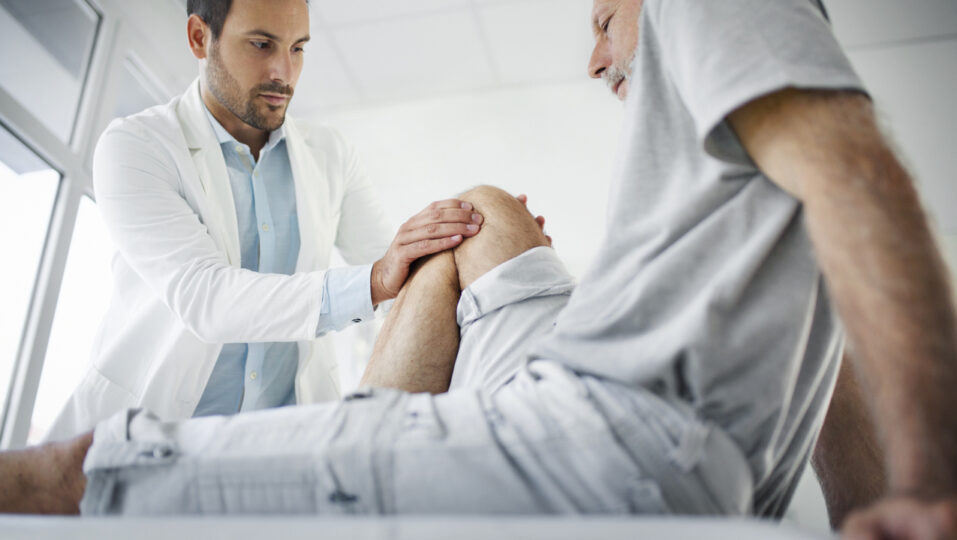
The human body relies on a framework of bones, muscles, tendons, and joints to move, stand, and perform daily tasks. When any part of this system becomes injured or begins to function poorly, everyday activities can become difficult. Bone and joint clinics focus on supporting this framework, and they offer care for people who face discomfort, limited movement, or injury.
What Is a Bone and Joint Clinic?
A bone and joint clinic is a medical practice that concentrates on the musculoskeletal system. This system includes the skeleton, joints, ligaments, tendons, as well as the muscles that connect and support them. Some clinics treat a range of issues affecting the whole body, and others focus on specific areas such as the spine, knees, shoulders, or hands. People of many ages and activity levels can visit these clinics. Because musculoskeletal concerns vary, clinics often tailor their approach to the individual needs of each patient.
What Conditions Can They Treat?
These clinics address a broad spectrum of conditions related to movement and physical support. These concerns may develop suddenly, such as after an accident, or gradually over time due to repeated strain or the natural aging process. There are some common reasons people seek care at these clinics, and these can include:
- Fractures and breaks, which involve cracked or broken bones from falls, sports, or other impacts.
- Sprains and strains, which affect ligaments and muscles when they are stretched beyond their normal range.
- Arthritis, a condition marked by joint inflammation that can lead to stiffness and reduced motion.
- Back and neck discomfort, which may be linked to posture, overuse, or spinal changes.
- Sports injuries, including damage to the knees, shoulders, and ankles.
- Tendon and ligament tears, such as those affecting the rotator cuff or the knee.
- Joint pain and swelling that can limit the ability to walk or lift.
Each of these concerns may affect a person’s mobility in different ways.
What Services Do They Provide?
Bone and joint clinics offer a variety of services designed to evaluate, manage, and support recovery from musculoskeletal concerns. The specific offerings depend on the clinic, but there are some common services. Diagnostic evaluation is often the starting point. This may involve physical examinations along with imaging tools, such as X-rays or scans that help the care team understand the extent of an injury or condition.
Non-surgical treatments can include physical therapy, bracing, and other approaches that aim to reduce discomfort and rebuild strength. Patients may find that these methods address their concerns without the need for an operation. For situations that call for it, surgical care is available, and procedures range from minimally invasive techniques to joint repair or replacement. When surgery is part of a treatment plan, clinics generally provide follow-up support to guide recovery.
Rehabilitation services also play a central role. Recovery from an injury or procedure often depends on structured physical therapy, helping patients regain motion and function over time. Ongoing check-ins allow the care team to track progress, and they can adjust the plan as needed.
Visit a Clinic Near You
Musculoskeletal concerns may not improve when left unattended, and early attention allows one to pursue a range of treatment options. Whether you are managing a recent injury or long-standing discomfort, a clinic can help you understand your condition and the steps available to address it. Taking that first step toward evaluation is a practical way to protect your mobility and support your long-term well-being.
