

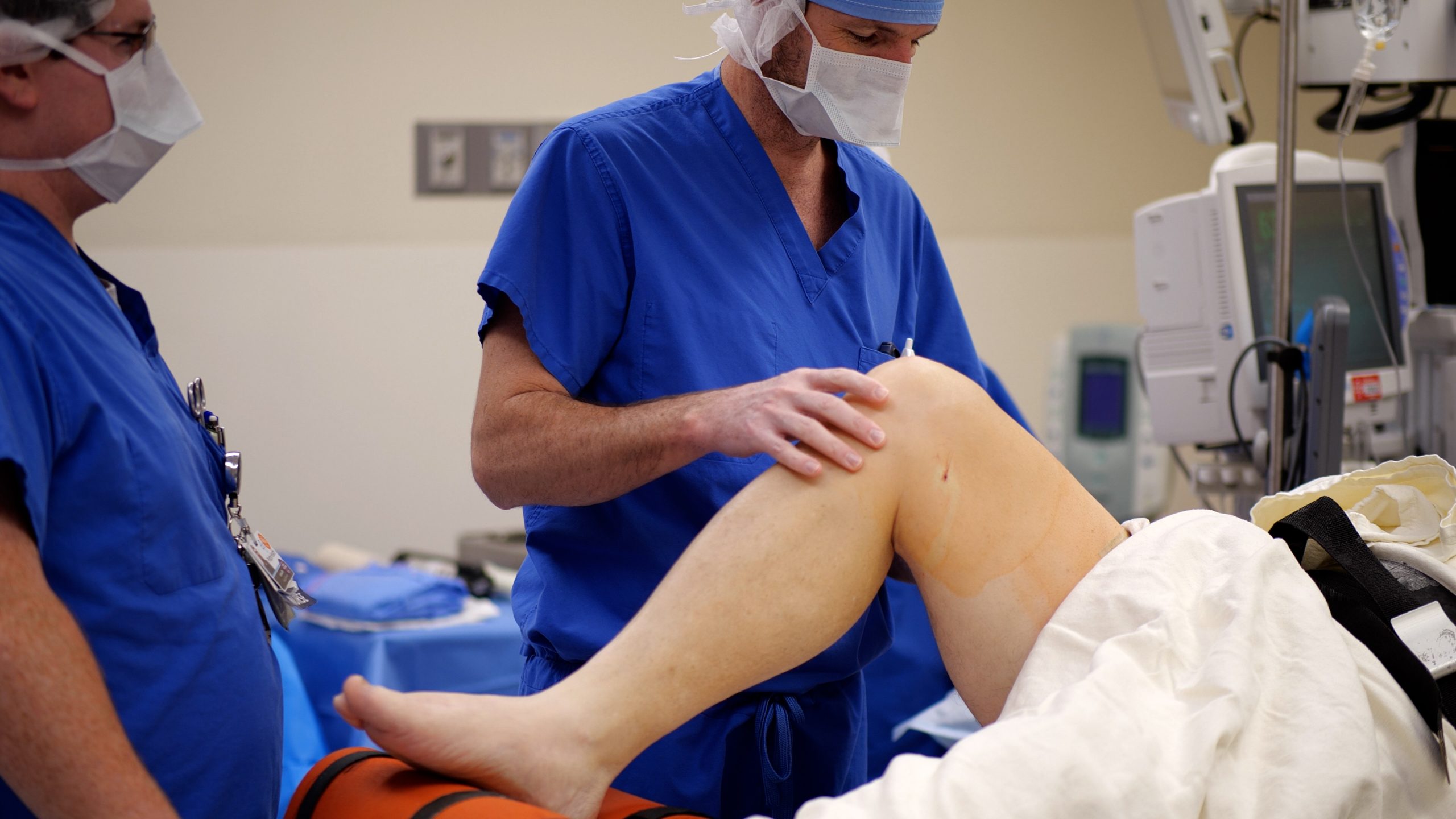
A knee replacement consultation helps individuals with persistent knee pain, joint damage, or limited mobility determine whether surgery is an appropriate treatment option. Preparing for a knee replacement consultation can help patients understand the procedure and make informed decisions about their care. Here are some ways to prepare for your knee replacement consultation:
Gather Your Medical Records
Your surgeon needs a complete picture of your health before recommending any treatment, such as a knee replacement. Gather recent X-rays, MRI results, and reports from previous doctors. If you have had prior knee injuries or surgeries, write down the dates and the type of treatment you received. List any chronic conditions, such as diabetes, heart disease, or high blood pressure.
Your medication list is another key document. Include prescription drugs, over-the-counter pain relievers, vitamins, and supplements, and note the dose and frequency of each one. Some medications affect bleeding or healing, so your surgeon will want to review them before planning any procedure. Bring your insurance card and a photo ID.
Assess Knee Pain and Mobility
Specific details about your symptoms help the surgeon understand how your condition affects daily life. Keep a pain journal for some time before your knee replacement appointment. Record when pain occurs, how long it lasts, and which activities trigger it. When you rate your pain, use a scale of 0 to 10 so you can describe it consistently.
Pay attention to how your knee functions during routine tasks. Note whether you have difficulty climbing stairs, getting out of a chair, or walking a set distance, and track any swelling, stiffness, or locking. If you use a cane, walker, or knee brace, bring it to the appointment.
Prepare Your Questions
A consultation often moves quickly, and it is easy to forget a question once the appointment begins. Write your questions down before your visit. The following topics cover areas that patients commonly ask about when reviewing knee replacement:
- Candidacy: Ask whether you are a suitable candidate and which factors the surgeon uses to decide.
- Type of surgery: Ask whether a total or partial knee joint replacement fits your condition and how the two procedures differ.
- Alternatives: Ask about nonsurgical options and whether any are worth trying.
- Risks: Ask the surgeon to explain possible risks and complications in plain terms.
- Hospital stay: Ask how long you will stay in the hospital or whether the procedure is outpatient.
Discuss Recovery Expectations
Recovery planning is a fundamental part of the consultation. Ask your surgeon about the typical timeline, and ask when you may resume driving, working, and other regular activities. Recovery varies from person to person, so treat any timeline as a general estimate, not a fixed schedule.
Rehabilitation and Physical Therapy
Knee replacement patients often take part in physical therapy after surgery. Ask how soon therapy starts, how many sessions per week the plan includes, and whether sessions take place at home or at a clinic. If you prefer a specific therapy provider, confirm they accept your insurance. Some surgeons also recommend pre-surgery exercises to build strength.
Home Preparation and Support
Your home setup affects how easily you move around during the first few weeks of recovery. Ask your surgeon which equipment you will need, such as a walker, raised toilet seat, or shower chair, and plan who will drive you to follow-up appointments. If your bedroom is upstairs, contemplate setting up a temporary sleeping area on the main floor. Arrange help with meals, errands, and household tasks in advance.
Schedule Your Knee Replacement Appointment
Preparing for knee joint replacement surgery requires understanding the procedure, setting up your home environment for recovery, and coordinating post-operative support. These steps can improve your comfort, mobility, and overall recovery experience. Contact a qualified orthopedic surgeon near you to schedule your knee replacement appointment today.
