

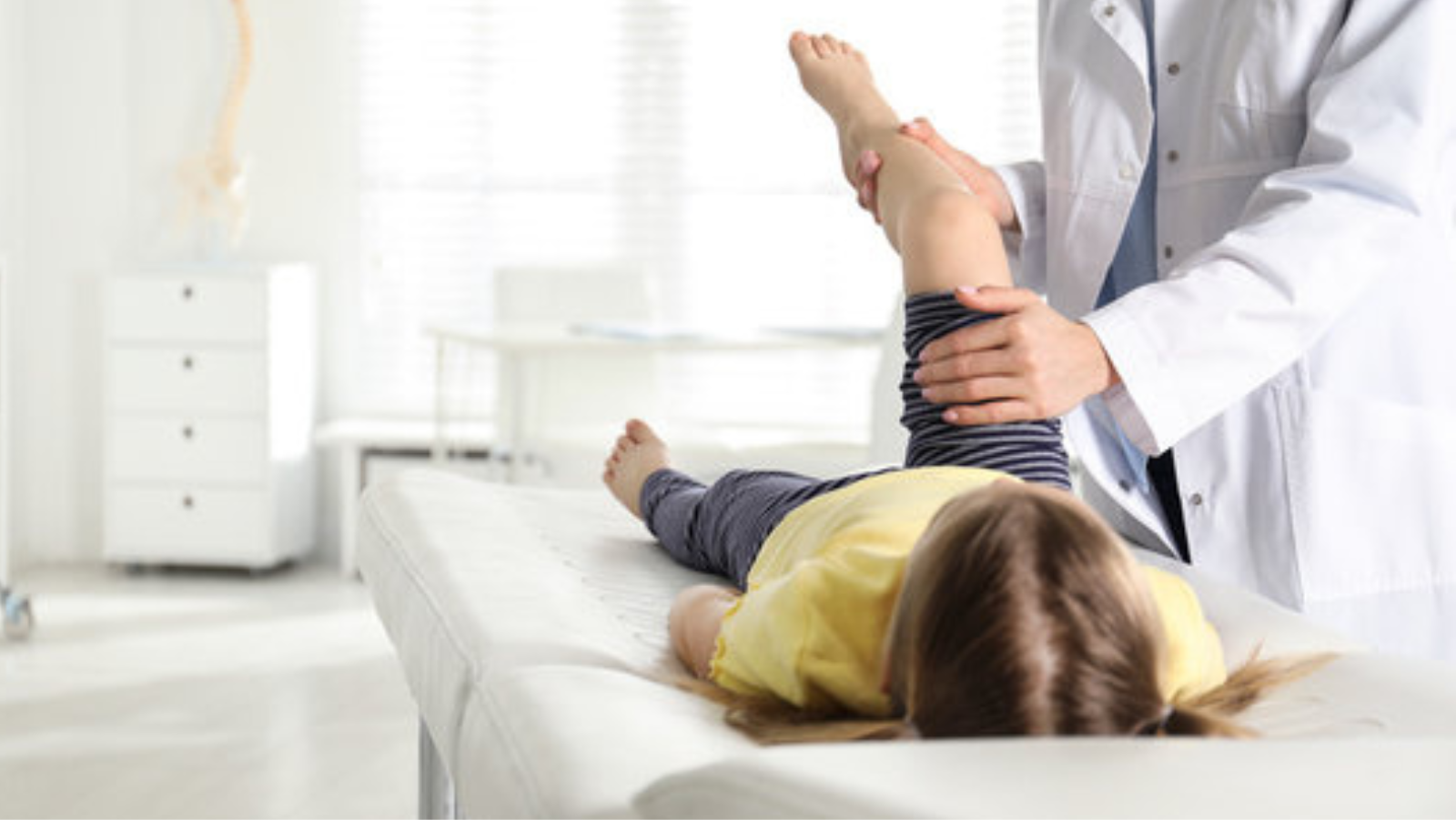
Children’s bones, joints, and muscles change as they grow, requiring care that accounts for their stage of development. Pediatric orthopaedics focuses on evaluating and treating conditions such as fractures and spinal disorders in children. Here are some common pediatric orthopaedic conditions and their treatments:
Fractures and Sports Injuries
Fractures are one reason children visit an orthopaedic specialist. The specialist examines the injury, orders imaging such as X-rays, and determines whether the break involves a growth plate. Sports injuries also account for several pediatric orthopaedics visits. Common sports-related conditions include the following:
- Ligament injuries: Ligaments connect one bone to another, and sprains or tears often occur in the knee or ankle during sudden twists or stops.
- Tendinitis: This condition involves irritation of a tendon, which is the tissue that connects muscle to bone, and it often results from overuse.
- Growth plate stress injuries: Repeated activity can strain developing bone near the joints, especially in the elbow, knee, and heel.
- Muscle strains: Overstretching a muscle during play or training can cause strains, which commonly affect the thigh and calf.
Treatment depends on the injury type and severity. Specialists commonly use rest, bracing, casting, or physical therapy, while some fractures and ligament tears require surgical repair.
Gait and Limb Alignment
Parents often notice changes in how a child walks or stands. In-toeing, out-toeing, bowlegs, and knock-knees appear frequently in young children, and these patterns often change as the child grows. A specialist evaluates whether a pattern falls within the expected range for the child’s age.
Gait Abnormalities
Gait refers to the way a person walks. A pediatric orthopaedics specialist observes the child walking, checks joint flexibility, and reviews muscle strength to identify the source of an unusual pattern. When a condition such as cerebral palsy or spina bifida affects walking, treatment may include physical therapy, bracing, and coordinated care with other specialists.
Limb Length Differences
A limb length difference occurs when one arm or leg is shorter than the other. Small differences often require only observation, but larger differences sometimes affect posture and walking. The specialist measures the difference with X-rays, and treatment options include shoe lifts, growth monitoring, or surgery to adjust bone length.
Hip Conditions
Developmental dysplasia of the hip (DDH) is a condition in which the hip socket does not fully cover the ball at the top of the thigh bone. Doctors often check for DDH during newborn exams, and an ultrasound or X-ray can confirm the diagnosis. Treatment for DDH depends on the child’s age and the severity of the condition. For infants, specialists often use a soft brace that holds the hips in a stable position while the joint develops. Older children sometimes need a cast or surgery when bracing does not achieve proper alignment.
Scoliosis and Spinal Curvature
Scoliosis is a sideways curve of the spine. Signs include uneven shoulders, a tilted waist, or one shoulder blade that sticks out more than the other. A pediatric orthopaedics specialist measures the curve with a physical exam and X-rays, and they use that measurement to guide the treatment plan.
Treatment depends on the curve’s size and the amount of growth remaining. Specialists generally monitor mild curves with regular check-ups, while moderate curves in growing children often require a brace. When a curve is severe or continues to progress, a specialist may recommend spinal fusion surgery, which joins sections of the spine to straighten and stabilize it.
Schedule Your Pediatric Orthopaedics Consultation
Pediatric orthopaedics addresses a wide range of conditions, including fractures, sports injuries, walking concerns, hip conditions, and scoliosis. Specialists match treatment plans to the child’s age and growth stage. Treatment options include observation, bracing, physical therapy, and surgery. Contact a qualified orthopaedic surgeon near you to schedule your pediatric orthopaedics consultation today.
