

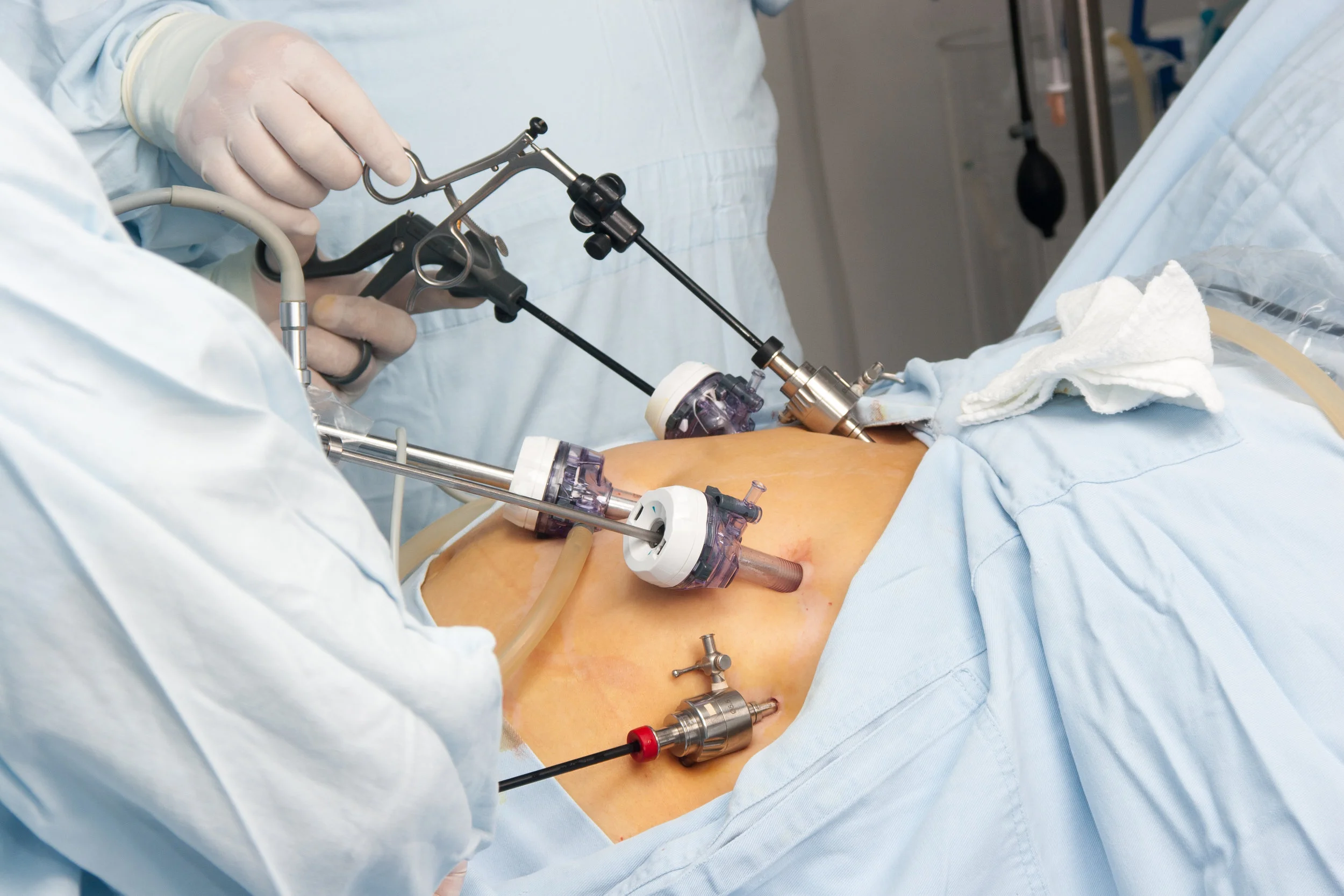
Gallbladder removal surgery, or a cholecystectomy, is a commonly performed abdominal procedure. Physicians may recommend it for patients who experience gallstones, inflammation, or other conditions that cause pain and digestive problems. Before surgery, your care team will order several tests to confirm the diagnosis, evaluate your overall health, and identify any factors that may affect anesthesia or recovery. Learn more about what tests are done before gallbladder removal surgery.
Abdominal Ultrasound
This noninvasive procedure uses high-frequency sound waves to create real-time images of the organs in your upper abdomen. A technician applies a water-based gel to your skin and moves a handheld device called a transducer across the area. The test is painless, involves no radiation, and doesn’t take long.
Ultrasound is highly effective at detecting gallstones, thickening of the gallbladder wall, and fluid around the organ, which may indicate inflammation. It can also show whether the bile ducts are enlarged, a finding that may suggest a blockage. Your physician may ask you to avoid eating for several hours beforehand, because fasting allows the gallbladder to fill with bile and become easier to see.
Bloodwork
Blood tests provide valuable information about your liver, pancreas, and general health. The results help your surgeon confirm the cause of your symptoms and determine whether you are healthy enough for surgery and anesthesia. Common blood tests ordered before gallbladder removal include:
- Complete blood count (CBC): Measures red blood cells, white blood cells, and platelets. An elevated white blood cell count may signal infection or inflammation.
- Liver function tests: Assess levels of liver enzymes and bilirubin, which can rise when a gallstone blocks the bile ducts.
- Amylase and lipase: Evaluate pancreatic function, since gallstones can sometimes cause pancreatitis.
- Metabolic panel: Checks kidney function, blood sugar, and electrolyte balance.
- Coagulation studies: Determine how well your blood clots, which helps reduce the risk of excessive bleeding during surgery.
Depending on your age and medical history, your provider may also order a pregnancy test or additional screenings. Your physician will use your bloodwork results to determine if gallbladder surgery is ideal for you.
Chest X-Ray
A chest X-ray does not examine the gallbladder itself, but it plays a role in preparing for surgery. This quick imaging test produces pictures of your heart, lungs, and surrounding structures. It allows your care team to identify conditions such as fluid in the lungs or an enlarged heart, which could increase the risks associated with general anesthesia.
Not every patient requires a chest X-ray. Physicians might recommend it for older adults, individuals who smoke, and those with a history of heart or lung disease. If you have heart issues or a history of smoking, ask your physician if a chest X-ray is recommended.
HIDA Scan
A hepatobiliary iminodiacetic acid (HIDA) scan, also called cholescintigraphy, is a nuclear medicine test that evaluates how well your gallbladder functions. During the test, a small amount of radioactive tracer is injected into a vein in your arm, traveling to the liver and being released with bile. A special camera tracks its movement over a set period; if the gallbladder does not appear on the images, it may indicate a blockage or acute inflammation.
Your physician may also administer a medication that causes the gallbladder to contract. This allows the care team to calculate the ejection fraction, which measures how efficiently the gallbladder empties. A low ejection fraction may point to biliary dyskinesia, a condition that can cause symptoms even when no gallstones are present.
Get Gallbladder Removal
If you experience recurring abdominal pain, nausea, or digestive discomfort after meals, a thorough evaluation can help determine whether gallbladder removal is right for you. Pre-surgical tests give your surgeon a complete picture of your condition and overall health, allowing for careful planning and a smoother recovery. Most patients who undergo laparoscopic cholecystectomy return home the same day and resume normal activities within a short time; schedule your consult today.
