

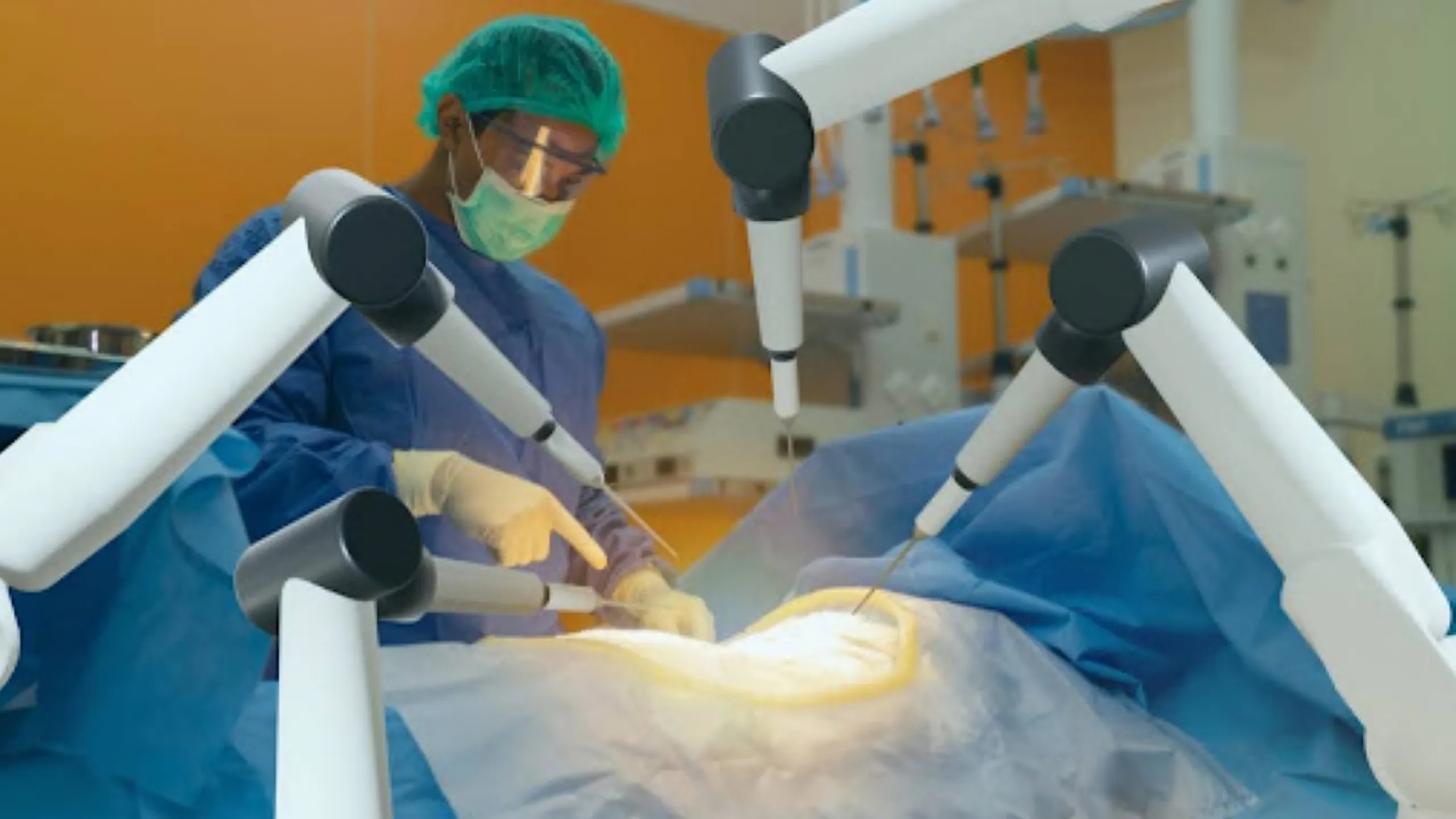
Hernias affect daily movement. Tissue pushes through a weak spot in the muscle wall. Robotic surgery brings advanced instruments and 3D visualization into the operating room, and surgeons use these tools to repair hernias. Since this approach pairs human judgment with robotic precision, it gives surgeons detailed control over delicate structures.
Benefits of Robotic Surgery
People often compare robotic, laparoscopic, and open hernia repair, and each method has its own role in treatment. Since robotic surgery may offer certain advantages, it also helps surgeons work in tight spaces within the abdomen. Some benefits patients discuss with their surgeons include the following points.
- Small incisions: Robotic instruments pass through tiny ports, and these incisions usually involve less disruption of tissue.
- 3D visualization: The camera system provides depth perception, and this view supports accurate placement of mesh and sutures.
- Enhanced precision: Robotic wrists bend and rotate beyond the range of the human hand, and this flexibility helps with detailed movements.
- Stable instrument control: The robotic platform filters natural hand tremors, and this feature supports steady dissection near nerves and vessels.
- Ergonomic setup for the surgeon: The seated console position reduces physical strain, and that comfort supports focus during longer procedures.
Expectations Before and After Surgery
The process starts with a consultation, and this visit covers your symptoms, medical history, and any prior hernia repairs. The surgeon evaluates the hernia’s location and size, and they review imaging if it is available. You discuss whether surgery suits your situation, and the surgeon explains alternatives. Before the procedure, you receive instructions on fasting, medications, and transportation. Some medications require adjustment before anesthesia, and your care team outlines those changes clearly. Recovery after robotic hernia repair usually involves a structured plan, and this plan supports healing of the abdominal wall. You may walk short distances soon after surgery. Light movement helps circulation while you still protect the repair.
Types of Robotic Surgery
Patients have access to hospitals and surgical centers that use robotic systems. Hernia repair is one common application. Since availability depends on each facility’s equipment and scheduling, your primary care provider or specialist helps you navigate local options. Travel time, parking, and support at home after surgery all influence your planning, and these practical details matter when you arrange your procedure. Robotic surgery works alongside other techniques rather than replacing them, and surgeons match the method to the hernia and the patient.
When you research surgeons in this region, look for experience with hernia repair. Gain a clear explanation of risks and benefits, and ask how often they use robotic platforms. A consultation gives you space to ask about robotic surgery, anesthesia, recovery time, and activity limits. It also allows the surgeon to review your health in detail. You and your care team select the hernia repair strategy that fits your needs and your schedule.
Discuss Robotic Surgery Today
If you have a diagnosed hernia or symptoms such as a groin or abdominal bulge, schedule a visit with a qualified surgeon, and ask whether robotic surgery is an option for your repair. Bring your medical history, a list of medications, and questions about recovery, and use the appointment to compare robotic, laparoscopic, and open techniques. A focused conversation with a surgeon helps you understand your choices. It supports a repair plan that matches your health goals.
