

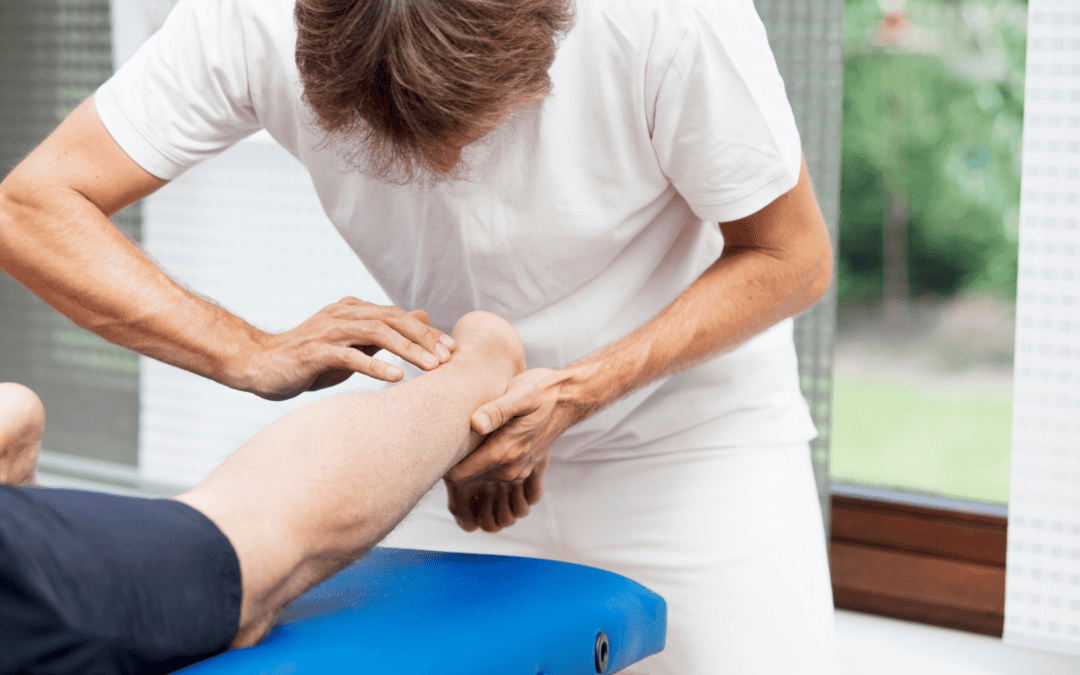
Achilles tendinitis can show up as stiffness or pain along the back of the lower leg, and it typically affects the heel. The tendon connects your calf muscles to your heel bone and works hard every time you run, jump, or change direction. When the tendon experiences repeated stress without enough recovery, the tissue can become irritated and inflamed. Here are some tips for managing symptoms during sports:
Adjust Activities
When Achilles tendinitis symptoms start, you may need to scale back intensity while you stay active in a modified way. Shift workouts toward lower-impact options on some days so the tendon has time to recover between demanding sessions. If pain increases as you move, shorten the session, and avoid drills that repeatedly load the tendon.
Some athletes rotate activities, and they alternate running days with cycling or pool workouts. Others adjust training surfaces, moving from hard courts to tracks or turf that reduce repeated impact. When you track which movements increase symptoms, you gain clearer patterns, and you work with a medical professional to refine your training plan.
Wear Supportive Footwear
Footwear that supports the arch and controls excessive heel motion helps manage stress on the Achilles tendon during sports. A secure heel counter limits side-to-side movement, and that stability helps the tendon work in a more controlled path. Replace worn shoes regularly, because compressed midsoles lose shock absorption and can increase strain on irritated tissue. Take these steps:
- Match shoes to the sport: Use activity-specific footwear that supports the way your foot moves during play.
- Check heel height: A slight heel lift sometimes reduces pulling on the tendon during walking and running.
- Use inserts if advised: Orthotic inserts or heel lifts may help align the foot and reduce tendon load.
- Monitor wear patterns: Uneven outsole wear signals mechanics that place extra stress on the tendon.
Seek Treatment Early
When Achilles tendinitis shows up during sports, early attention helps limit how long it interferes with training. Pain that lingers after activity, or stiffness that returns every morning, signals that the tendon needs evaluation. A medical professional assesses strength, flexibility, and joint alignment, and they look at how you walk or run.
Structured treatment includes specific strengthening and stretching exercises for the calf and lower leg. These exercises load the tendon in a controlled way, and they encourage gradual tissue adaptation over time. When you follow a tailored program, you support tendon healing while preparing for a return to sport.
Your provider outlines which movements come first, and they show you how to advance when pain stays low. If symptoms flare, the plan steps back briefly, and you adjust training volume before tissue becomes more irritated. This structured approach keeps you engaged in your sport while respecting the limits of the healing tendon.
Manage With Rest and Ice
After games or practice sessions, rest and ice help calm irritation. Short-term rest means avoiding the movements that trigger pain. Ice applied to the back of the heel and lower calf helps reduce discomfort after workouts or at the end of the day. Use a thin cloth between the ice and skin, and limit each session to a short period to protect the tissue.
Get Treatment for Achilles Tendinitis
Addressing Achilles tendinitis early helps athletes stay active with less interruption to training and competition. When pain or stiffness persists, a sports-focused medical evaluation clarifies what is happening inside the tendon. Working with a qualified provider gives you a clear path forward, so you can manage symptoms and return to sport with a practical strategy.
