

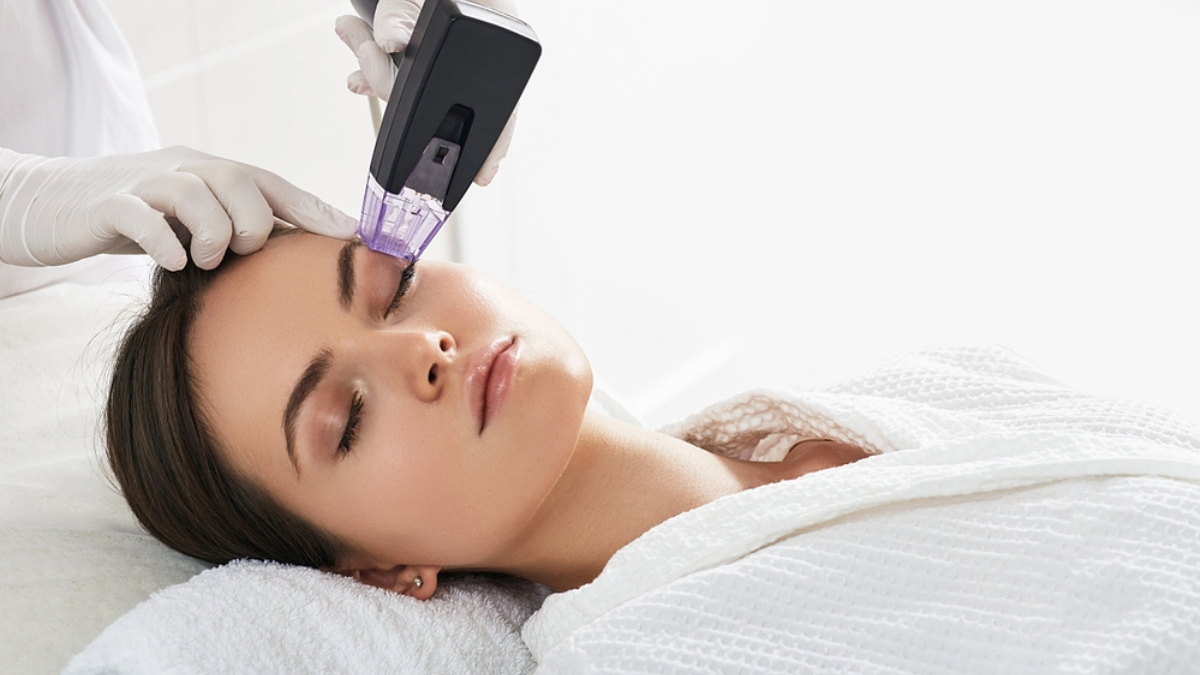
Scars and stretch marks often linger long after the original cause fades, and they can draw unwanted attention. Treatments like Morpheus8 use radiofrequency energy with microneedling to target these marks below the skin surface, and this approach focuses on remodeling tissue rather than just masking texture on top. You can choose this type of treatment when topical creams or other treatments aren’t working. Learn about using Morpheus8 for scarring and stretch marks.
Building Collagen and Elastin
Healthy skin depends on strong collagen and flexible elastin, and both break down over time. A Morpheus8 device sends controlled heat into precise depths while microneedles create microchannels; this combination prompts the body to start a repair response. The treatment aims to create a denser collagen network, and it also encourages elastin fibers to reorganize for better resilience.
During a session, the provider adjusts the depth and energy level based on the area and skin thickness. The needles can reach the deeper dermis where scars and stretch marks form, and the radiofrequency heat tightens existing collagen strands. Over the next several weeks, new collagen layers may develop, and the skin framework becomes more supportive and uniform.
Reducing Acne Scars
Morpheus8 targets depressions caused by acne scars by heating the fibrous bands that tether the scar; the microneedling component disrupts rigid tissue. As the body repairs these micro-injuries, it lays down new collagen that lifts the indented areas closer to the surface level. Rolling scars may soften as the underlying bands release, and boxcar scars may appear shallower as collagen fills in the base. Raised scars have thicker tissue, and controlled energy helps remodel that density so the edges blend better with nearby skin.
Smoothing stretch mark scars
Stretch marks form when skin stretches faster than its support structure can adapt, and that rapid change leaves thin, lined scars. Morpheus8 works beneath these lines where the dermis has thinned, and it focuses on rebuilding strength so the marks look less pronounced. As collagen and elastin increase, the skin gains more thickness and flexibility, resulting in a possibly smoother texture.
Some stretch marks feel slightly sunken or textured, and this uneven surface catches light in a way that highlights them. Radiofrequency microneedling helps level this texture, and it refines the transition between scarred and surrounding skin. Over time, the color difference may soften as the tissue becomes more uniform.
- The treatment addresses texture by tightening collagen fibers under the scarred area.
- It supports tone by encouraging more even pigment distribution as the skin renews.
- It targets structure by thickening the dermis where stretch marks weakened support.
It can take time to see the results of stretch mark treatments as the skin heals. Talk to your provider if redness, swelling, or major discomfort occurs.
Healing and Results
After a Morpheus8 session, the skin usually looks flushed, and this reaction reflects the controlled micro-injury created during treatment. The surface may calm within a few days, and deeper changes progress over time. As collagen remodeling continues, scars and stretch marks may appear softer, and the treated area can blend more naturally. Maintenance sessions may help extend these changes, and ongoing sun protection supports the new collagen structure.
Get Professional Morpheus8 Treatments
Professional radiofrequency microneedling treatments offer a tailored approach for different scar types and skin tones. A trained provider evaluates your skin, discusses your goals, and explains how many sessions you need. If you want to learn more about noninvasive options for scars and stretch marks, explore what’s available at your next OBGYN appointment.
