

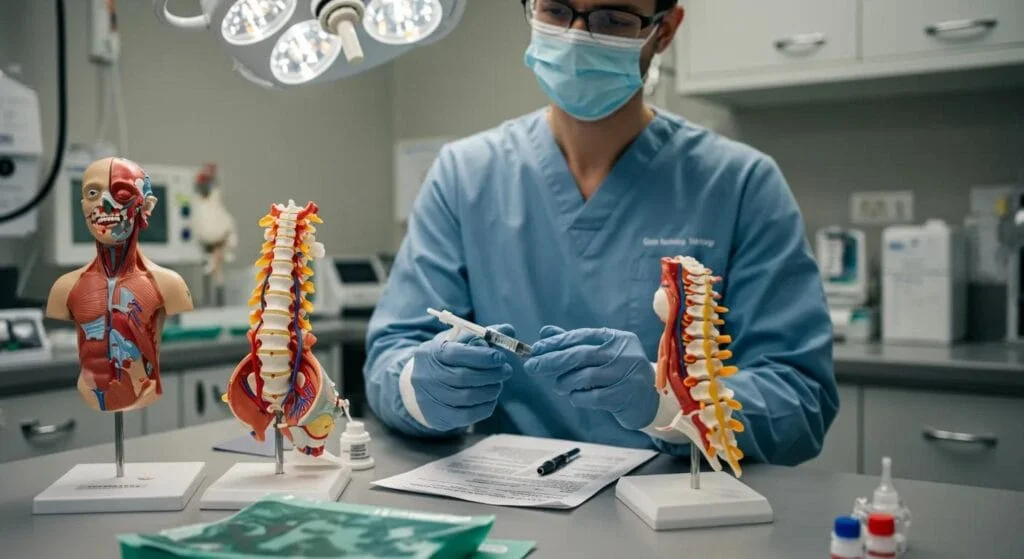
Regenerative medicine offers additional treatment options for orthopedic conditions by using approaches that support the body’s natural healing processes. These therapies focus on damaged tissues and may complement traditional treatments for certain injuries. Because orthopedic conditions vary, specialists evaluate each patient’s needs to determine whether regenerative treatments are appropriate. Here is more information about the future of regenerative medicine in treating orthopedic conditions:
Evaluating Orthopedic Conditions and Injuries
Regenerative medicine evaluations help specialists identify the source of orthopedic pain and explore appropriate treatment options. During appointments, providers review medical history and examine the affected area. Imaging tests and movement assessments help identify injuries or joint conditions. Based on the results, specialists may recommend regenerative medicine therapies alongside physical therapy or other orthopedic treatments.
Treatment plans also depend on each patient’s needs and activity goals. Some patients want to return to sports, while others focus on improving daily movement. Because conditions vary, specialists determine whether regenerative therapies are suitable for each patient. These treatments may work alongside physical therapy to support recovery and joint health.
Providing Platelet-Rich Plasma Injections
Platelet-rich plasma (PRP) injections use a concentrated portion of the patient’s blood to treat certain orthopedic conditions. During the procedure, blood is collected and processed in a centrifuge to separate the platelets. The concentrated plasma is then injected into the affected area to support the body’s natural healing response. Before recommending PRP, specialists evaluate the patient’s condition and previous treatments. PRP injections may be discussed for several orthopedic concerns, including:
- Tendon Injuries: Addressing persistent tendon irritation or damage.
- Ligament Sprains: Exploring treatment options for certain ligament injuries.
- Joint Degeneration: Managing symptoms associated with early osteoarthritis.
- Persistent Pain: Evaluating discomfort that has not improved with conservative treatments.
Offering Bone Marrow Concentrate Treatments
Bone marrow concentrate treatments involve collecting bone marrow and processing it to concentrate certain cells for injection. These treatments are being studied for orthopedic conditions affecting joints and soft tissues. Before recommending treatment, specialists review medical history, imaging results, and previous therapies. Because research remains ongoing, providers discuss potential benefits, risks, and limitations when evaluating this regenerative approach.
Performing Radial Shockwave Therapy
Radial shockwave therapy uses acoustic waves to treat certain orthopedic conditions affecting soft tissues. During treatment, a handheld device delivers pulses to the affected area through the skin. Patients may feel tapping or pulsing sensations as the device moves across the treatment area. Providers often combine this therapy with stretching and strengthening exercises.
This noninvasive treatment may help manage chronic tendon pain and certain soft tissue conditions. Common treatment areas include the heel and other regions affected by persistent discomfort. Because pain has different causes, specialists evaluate the affected area before recommending shockwave therapy.
Treatment typically involves several sessions scheduled over multiple weeks. During follow-up visits, providers assess symptoms and changes in physical function. If patients respond differently than expected, treatment plans may require adjustments. These evaluations help specialists determine how shockwave therapy fits into ongoing orthopedic care.
Schedule With Regenerative Medicine Today
Regenerative medicine consultations help patients explore treatment options for orthopedic pain and injuries. During appointments, specialists review medical history and evaluate individual treatment goals. Depending on the condition, recommendations may include PRP injections, bone marrow concentrate treatments, or radial shockwave therapy. Schedule a regenerative medicine consultation today to discuss available treatments and develop a personalized orthopedic care plan.
