

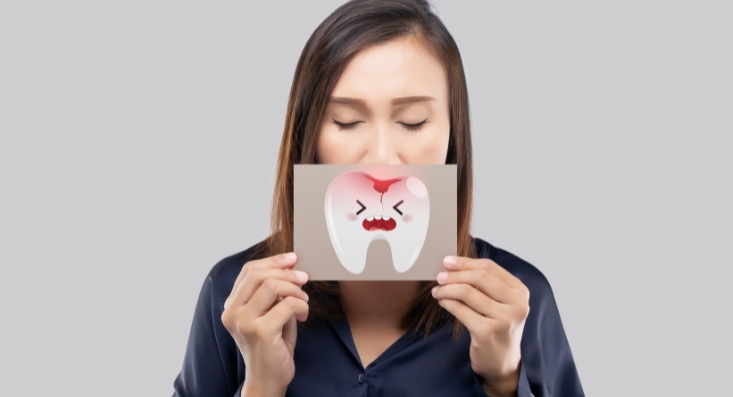
A toothache or broken tooth can occur without warning, and a dentist is not always available right away. While you wait for your appointment, there are several practical ways to manage the situation at home, including taking pain relievers if needed. Emergency dentistry clinics may also provide same-day assistance. Here are some ways to manage a toothache or broken tooth until you are able to visit a dentist:
Clean the Affected Area
For a toothache, begin with a gentle rinse. Warm water helps clear away food particles, and a small amount of dissolved salt can reduce inflammation around the affected tooth. Swish slowly for approximately 30 seconds, then spit, and repeat the process if any debris remains.
If a large piece of tooth has broken off and you can safely locate it, store it in milk and bring it with you to the emergency dentistry clinic. Dentists are sometimes able to reattach the fragment. Avoid chewing on the affected side, and use caution around any sharp edges that could irritate your tongue or cheeks. Continue brushing and flossing like normal, as this helps prevent food from getting stuck and putting pressure on the affected area.
Reduce Swelling and Protect the Teeth
Swelling around the jaw or cheek may benefit from a cold compress. Wrap a few ice cubes in a clean cloth, and hold the bundle against the outside of your cheek. Limit each session to several minutes with breaks between rounds. Avoid pressing ice directly onto your skin or against the tooth; the direct contact may worsen sensitivity. A broken tooth requires a slightly different approach. Dental wax covers sharp or jagged edges and keeps them from rubbing against your tongue or cheek. If wax is unavailable, a piece of sugar-free gum can serve as a temporary covering until you reach a dental office.
Evaluate Over-the-Counter Products
Several products are available for dental discomfort, including pain relievers and topical gels. Read each label carefully, follow the printed directions, and pay attention to the recommended amounts and the manufacturer’s warnings. Selecting the correct product keeps your approach safe and straightforward. Certain habits may also worsen your condition while you wait, so contemplate the following:
- Avoid resting a pain reliever directly on your gums or tooth, as the tissue may be damaged.
- Skip hard, crunchy, or sticky foods that place pressure on the affected tooth.
- Stay off the side of your mouth where the problem sits.
- Avoid very hot or very cold foods and drinks, which tend to increase sensitivity.
- Set aside sharp objects rather than poking or picking at the area.
Find Emergency Dentistry Services
Some situations demand prompt attention rather than a routine appointment. Contact an emergency dental clinic if you notice significant swelling in your face, jaw, or neck, or if a tooth is knocked out completely. When the severity is unclear, call your dental office. They may offer phone guidance and advise whether you should come in immediately. Until then, keep the affected area clean and avoid anything that adds pressure to it. Book your appointment as soon as possible, and bring along any fragments you saved so your dentist has the full picture. These steps support a smooth, well-prepared visit when professional care becomes available.
