

Diabetes is a chronic health condition that affects how your body turns food into energy. When your body breaks down food into sugar and releases it into the bloodstream, your pancreas releases a hormone called insulin. Insulin acts like a key to let the blood sugar into your body’s cells for use as energy. Your body doesn’t make enough insulin when affected by diabetes, or it can’t use the insulin it makes as well as it should. This may lead to serious health problems over time.
What Is Diabetes?
Diabetes is a condition that affects how your body handles blood sugar, also called glucose. There are a few main types of diabetes. Type 1 diabetes happens when the body makes little or no insulin. People with this type usually need to regularly take insulin. Type 2 diabetes is more common, and it develops when the body does not use insulin well or does not make enough of it. A third form, gestational diabetes, can appear during pregnancy and often goes away after the baby is born.
Several factors raise the chance of developing diabetes, and these include family history, weight, and certain lifestyle habits. Some signs that may point to diabetes are frequent thirst, tiredness, blurred vision, and needing to use the bathroom often. Anyone who notices these symptoms should speak with a medical professional, since only a doctor can confirm a diagnosis through proper testing.
How Is It Managed?
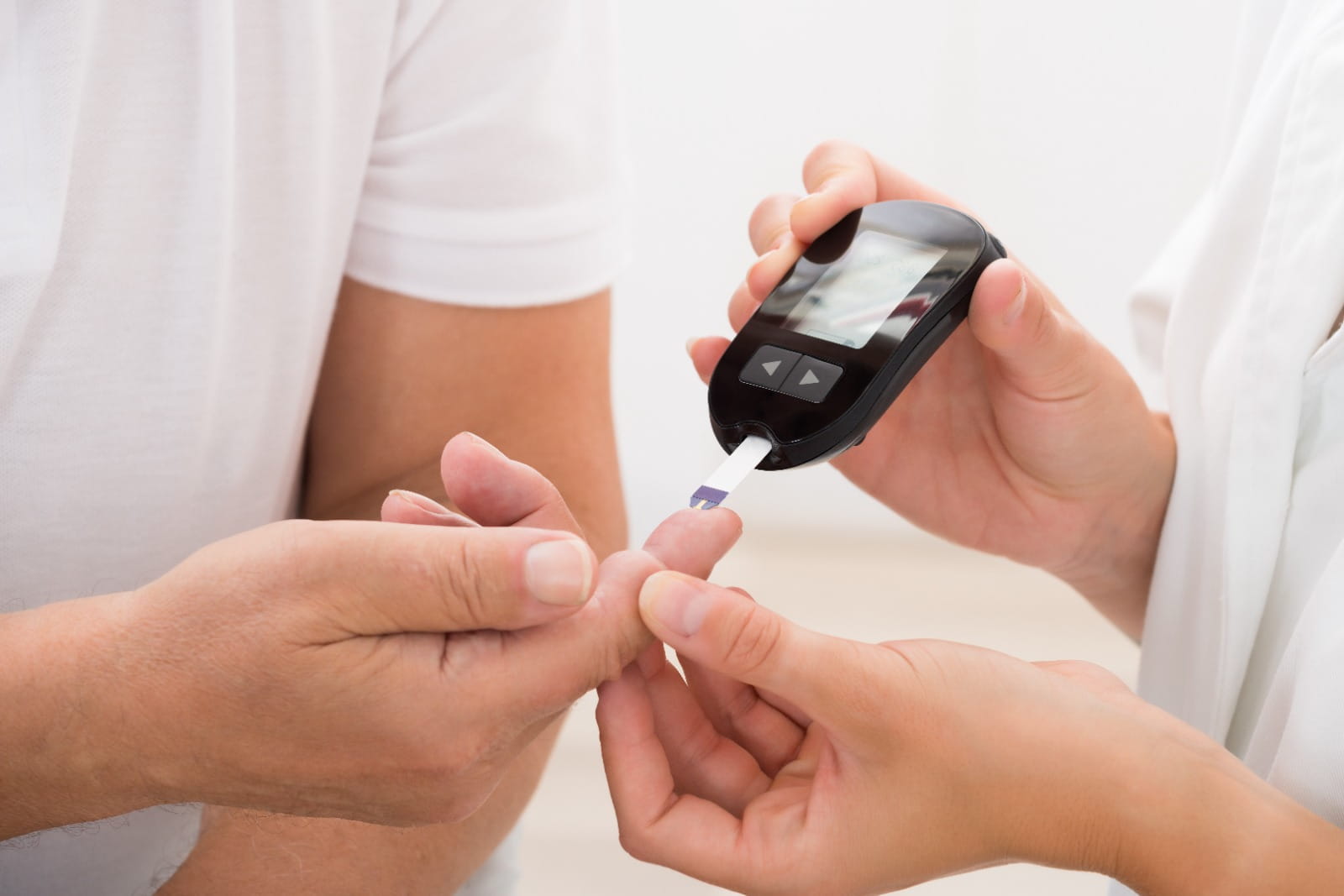
Managing diabetes usually involves keeping track of blood sugar levels over time. Many people check their levels at home using a small device called a glucose meter. Other people use continuous glucose monitors, which are small sensors worn on the body that track levels throughout the day. Doctors may also order a blood test called A1C; this shows an average of blood sugar over the past few months.
Each treatment plan is built around the needs of the individual, and they vary from person to person. A doctor will look at the type of diabetes, overall health, and daily routine before suggesting a path forward. There are a few common elements that a treatment plan may contain, including:
- Medication: Some people take pills, while others use insulin through injections or a pump.
- Diet: A balanced eating plan helps keep blood sugar steady.
- Exercise: Regular movement supports the body’s ability to use insulin.
- Checkups: Visits with a doctor help track progress and adjust the plan when needed.
Working closely with a care team gives the best chance of keeping the condition under control. Patients can ask questions and follow the guidance given by their providers.
What Are the Benefits?
Staying informed about diabetes and following a care plan offers several advantages. Regular monitoring gives patients and doctors useful information, and this can support better decisions during medical visits. When you understand your symptoms and know how your body responds, you may react more quickly to changes. Another benefit is stronger communication with your healthcare team. Patients who understand their condition may have more productive appointments. They can describe their symptoms clearly and follow advice with greater clarity.
Meet With a Doctor
Diabetes is a manageable condition when approached with knowledge and care. A doctor can run the right tests, explain your results, and build a plan that fits your needs. If you notice symptoms or have concerns about your blood sugar, schedule a visit with a medical provider. Taking that first step gives you reliable guidance, and it can help you move forward with a clear plan for your health.
