

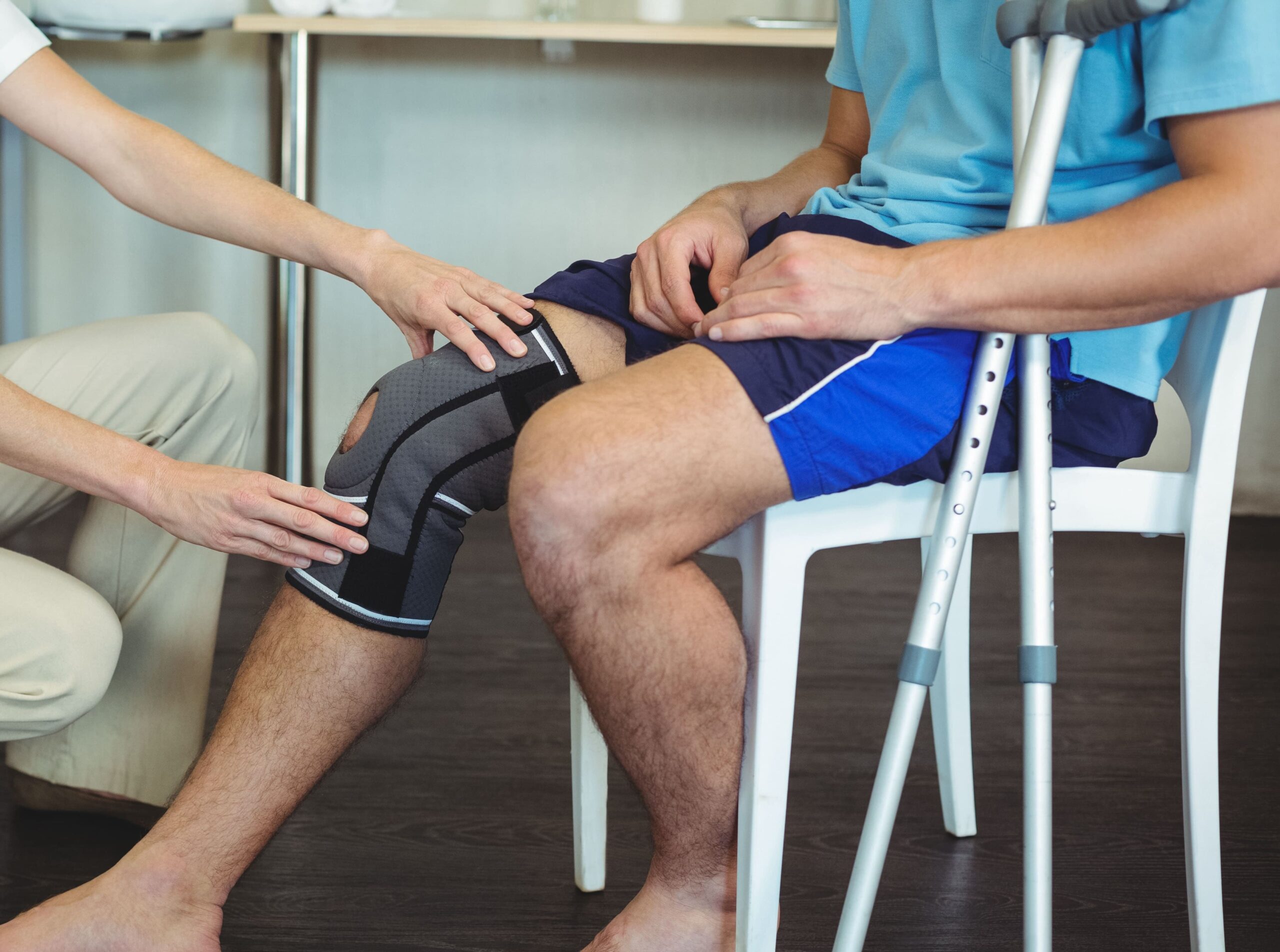
A meniscus tear affects the cartilage that cushions your knee joint, and these injuries can happen during sports, sudden twists, or simple wear over time. Recovery depends on the size and location of the tear, and your treatment path will reflect those details. Here is more information on what to expect at each stage:
Nonsurgical Tear Recovery
Small tears along the outer edge often heal without an operation. Your doctor may recommend rest, and you might use ice to reduce swelling. Since this area receives steady blood flow, the tissue will typically mend on its own over several weeks.
Recovery at home follows a few practical steps:
- Rest the knee and avoid deep bends
- Apply ice for 15 minutes at a time
- Keep the leg elevated to limit swelling
You track progress through reduced pain and better movement. This process will last several weeks, and your doctor will adjust it as needed. If symptoms continue, imaging tests help confirm whether the tear needs more attention.
Complex Surgery Recovery
A larger or deeper meniscus tear sometimes needs surgery. A surgeon either trims the damaged cartilage or repairs it with stitches, and the method shapes your timeline. When the tear sits in an area with poor blood supply, healing takes longer.
After a repair, recovery typically stretches across multiple months. You wear a brace for part of this period, and crutches limit weight on the joint. Since repaired tissue needs protection, your surgeon outlines clear limits on bending and load. Following these limits supports the healing process.
Physical Therapy
Physical therapy aims to rebuild strength and motion in the knee. A therapist guides each session, and your program changes as you improve. Since muscles may weaken during rest, targeted exercises help restore stability around the joint.
Early sessions focus on gentle range-of-motion work. You stretch the joint, and the therapist measures how far it bends without pain. As you progress, the plan adds resistance to strengthen the surrounding muscles.
Your therapist may include these activities:
- Straight-leg raises for quad strength
- Hamstring curls for balance
- Stationary cycling for steady motion
You move forward once each exercise feels controlled. The therapist documents your gains, and small milestones mark real progress. Sticking to the schedule keeps your recovery on a steady track.
Gradual Return to Activity
Returning to full activity takes time and structure. You start with low-impact movement, and your care team confirms when to add more. Since the knee needs time to adapt, rushing back raises the risk of a second injury.
Your doctor often clears activities in stages. Walking comes first, then light jogging, and finally sport-specific drills. When you complete each stage without pain, you move to the next level. This step-by-step path protects the joint while you rebuild your strength.
Listen to your body as you progress through each stage, as pushing through pain can cause setbacks. Recovery is a process, and consistency in following your rehabilitation plan will pay off. While it may feel slow at times, steady progress promotes a stronger, more stable knee in the long run.
Schedule Meniscus Tear Treatment
A meniscus tear needs a clear plan built around your specific injury. Your treatment may stay nonsurgical, or it may involve surgery and a longer recovery. Physical therapy and a staged return round out the process, and each phase has its own goals. Book an appointment today to start a recovery plan suited to your knee.
