

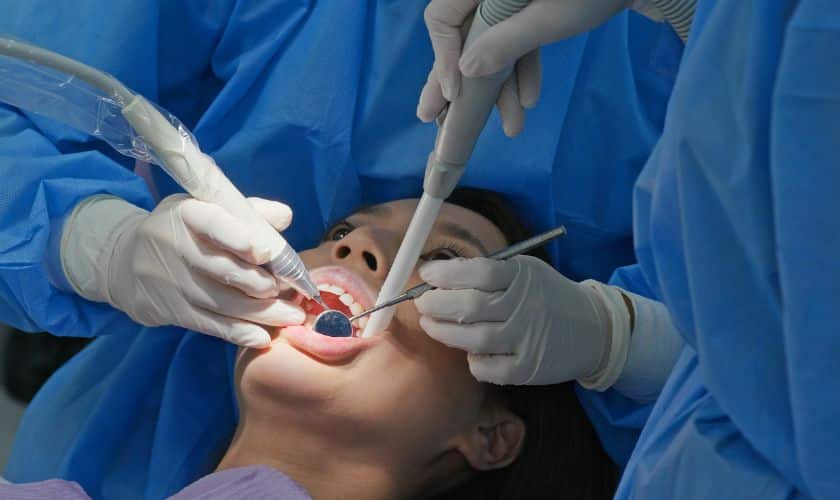
A root canal removes infected pulp from inside a damaged tooth, but bacteria can sometimes survive the process. When the initial treatment fails to clear the issue, the patient experiences ongoing discomfort. An apicoectomy targets the root tip directly, and this surgical approach resolves the lingering infection. It removes the hidden bacteria, helping to avoid extraction of the natural tooth. Here is more information about the benefits of apicoectomy:
Understanding Tooth Infections
Deep decay causes bacterial tooth infections, and trauma can also breach the enamel. Even after a successful root canal, complex canal branches can hide microscopic bacteria. An endodontist may recommend an apicoectomy when a patient develops an infection after a prior root canal. The targeted approach removes the infection and stops it from spreading into adjacent tissues.
Performing the Procedure
Before the surgery begins, the endodontist may take detailed imaging of the jawbone. The doctor administers local anesthesia to numb the area, and they make a small incision in the gum tissue. The doctor can then easily see the underlying bone and root.
During the actual surgery, which takes 30 to 90 minutes, the endodontist removes the infected tissue around the root end. They cut off the very tip of the root, and they place a tiny filling to seal the canal. The canal is sealed tightly to prevent bacteria from re-entering the space.
After they complete the small filling, the endodontist stitches the gum tissue back into place. The bone naturally heals around the root end over several months, and the stitches dissolve or are removed. This process stabilizes the tooth completely.
Recovering From Surgery
The results of this surgery are permanent, and patients may retain their tooth for a lifetime. The recovery period involves some minor swelling. Patients manage the pain with over-the-counter medication. Because the bone needs time to heal, complete internal recovery takes a few months.
Patients must follow some dietary and activity restrictions while the gum heals. Dentists recommend eating soft foods for a few days, and patients should avoid chewing near the surgical site. Here are some actions to take during your recovery:
- Avoid brushing the surgical area vigorously.
- Skip strenuous physical workouts for two days.
- Apply ice packs to reduce facial swelling.
Most people return to their normal work schedule within a day or two. It may take several months for healing to be complete.
Managing Follow-up Care
Your endodontist will schedule a brief follow-up appointment to check your healing progress. They will evaluate the gum tissue, and they might remove any remaining non-dissolving stitches. Because the doctor monitors the healing closely, they can catch any complications early.
Monitor your surgical site at home and report any severe symptoms promptly. Call your dental provider if you notice any of these specific warning signs:
- Uncontrolled bleeding from the surgical area.
- Pain that worsens after the initial healing period of one to two days.
- A high fever or severe facial swelling.
Catching these signs early helps your doctor provide the right medical care. An antibiotic prescription resolves most minor postoperative issues.
Learn More About Apicoectomy
This microsurgical procedure offers a reliable way to save a natural tooth after a root canal does not achieve the desired result. By removing the infected root tip, the endodontist stops the disease from spreading and progressing. The surgery requires a short initial healing period, and it may prevent the need for a total tooth extraction. If you have questions about the benefits of an apicoectomy, consult an endodontist near you.
