

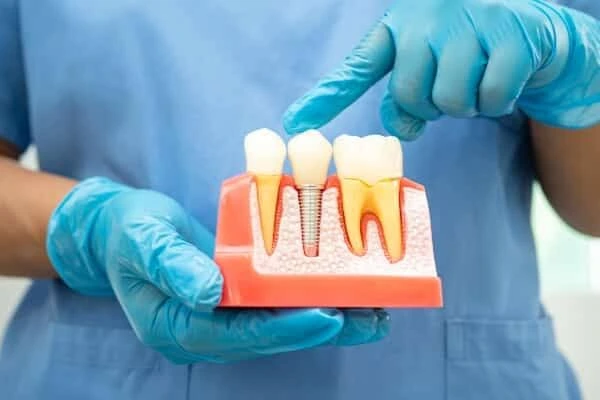
Enodental implants are titanium posts surgically placed into the jawbone to replace missing tooth roots and support crowns, bridges, or dentures. Through a process called osseointegration, these implants fuse with surrounding bone, providing stability for replacement teeth and supporting chewing function. Although eligibility varies, suitable candidates for enodental implants typically have healthy gums, adequate jawbone density, and no uncontrolled conditions affecting healing. Here is more information about what you need to know about enodental implants:
Understanding Enodental Implant Benefits
Enodental implants replace missing tooth roots and provide a stable foundation for crowns, bridges, or dentures. Unlike traditional dental bridges, individual implants do not require neighboring teeth to be reshaped for support. Because implants integrate with the jawbone, they also help preserve bone structure and reduce bone loss following tooth extraction.
Enodental implants are designed to resemble natural teeth while supporting everyday activities such as chewing and speaking. Although treatment outcomes vary, implant-supported restorations offer stability without relying on removable adhesives. Patients also benefit from a replacement option that supports oral function and appearance. With proper oral hygiene and routine dental visits, implants may remain functional for many years.
Dental Implant Placement Steps
Enodental implant placement involves several stages, beginning with an evaluation of jawbone density, gum health, and overall oral condition. Although treatment timelines vary, some patients require bone grafting before implant placement to provide adequate support. The placement process generally includes:
- Evaluating oral health: Examining the teeth, gums, and jawbone to determine implant eligibility
- Preparing the jawbone: Performing bone grafting when additional bone support is needed
- Placing the implant: Surgically positioning a titanium post within the jawbone
- Allowing bone integration: Giving the implant time to fuse with surrounding bone through osseointegration
- Attaching the abutment: Connecting a support piece to the implant after sufficient healing
- Securing the restoration: Placing a custom crown, bridge, or denture onto the implant
Because some patients qualify for immediate implant placement following tooth extraction, treatment plans depend on individual oral health and bone conditions.
Candidates for Dental Implants
Suitable candidates for enodental implants generally have healthy gums, adequate jawbone density, and overall health that supports proper healing. Although age alone does not determine eligibility, conditions such as uncontrolled diabetes or active gum disease may affect treatment outcomes. Smoking also increases the risk of delayed healing and implant failure, so providers often recommend stopping tobacco use before surgery. Because individual oral health needs vary, dental providers evaluate bone quality, gum health, and medical history before recommending treatment. Imaging tests may also help determine whether preparatory procedures, such as bone grafting, are necessary before implant placement.
Missing Teeth Replacement Options
Enodental implants offer several replacement options depending on the number and location of missing teeth. For a single missing tooth, providers typically place one implant topped with a custom dental crown. This approach restores the affected area without requiring support from neighboring teeth.
Patients missing several adjacent teeth may benefit from an implant-supported bridge. Unlike traditional bridges, these restorations attach to dental implants rather than relying on surrounding natural teeth. Because implants provide a stable foundation, they help support chewing function and maintain jawbone structure.
Full-arch implant restorations replace an entire upper or lower row of missing teeth using strategically positioned implants. These restorations may improve denture stability, support chewing, and help reduce jawbone loss. When remaining teeth are severely damaged or infected, extractions may be necessary before implant placement.
Schedule Your Enodental Implants Consultation
Enodental implants provide a long-term tooth replacement option that supports chewing function, oral health, and a natural-looking smile. Although treatment needs vary, implant placement depends on jawbone health, gum condition, and the number of missing teeth. A personalized dental evaluation helps determine whether individual implants, implant-supported bridges, or full-arch restorations are appropriate. Schedule a consultation today to discuss your tooth replacement needs and explore available enodental implant treatment options.
