

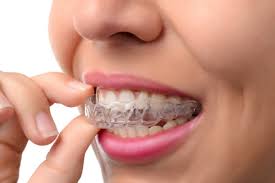
Clear aligners are transparent, removable orthodontic devices used to gradually straighten teeth. They feature custom-molded plastics that exert gentle pressure, benefiting patients who require mild-to-moderate bite corrections without traditional metal braces. Learning more about the different types and their features enables informed decision-making, and a dentist will guide the treatment process. Here is more information on clear aligners and how they work:
What Are Clear Aligners?
Clear aligners are custom-made, transparent plastic trays designed to shift teeth into proper alignment. Patients wear a sequence of trays, and each tray moves the teeth slightly further than the previous one. Although they function similarly to traditional braces, aligners lack the metal brackets and wires. Dental professionals prescribe these medical devices to correct specific bite irregularities over a scheduled period. Treatment duration depends on the severity of the patient’s clinical presentation.
Who Do They Help?
These orthodontic devices help individuals experiencing mild to moderate crowding, spacing, or bite issues, and they benefit from wearing the aligners for 20-22 hours daily. Adults and teenagers may choose this treatment to discreetly correct their smiles, potentially improving their appearance. A thorough clinical evaluation identifies suitable candidates.
What Are the Different Types?
There are several distinct categories of clear aligner systems. If a patient chooses an in-office treatment, they have to visit a dental professional for regular monitoring. These supervised systems utilize advanced imaging technology, and they accurately map the entire treatment process.
A professional consultation helps patients choose an appropriate system. Choosing an unsupervised brand may pose risks if underlying dental issues exist, necessitating professional intervention. Patients benefit from thinking about the clinical supervision of in-office brands, and dentists advise patients to undergo comprehensive examinations before selecting a specific type.
What Are Their Features?
Clear aligners share specific physical characteristics that differentiate them from conventional braces. Manufacturers use thermoplastic materials to construct these durable trays, and the resulting devices are nearly invisible. While the plastic must be strong enough to shift teeth, it remains flexible for comfortable insertion and removal. Each set of trays corresponds to a specific phase of the treatment plan. Key features of these devices include:
- Transparent material that blends with natural teeth
- Removable design for eating and oral hygiene
- Customized fit based on digital 3D scans
- Smooth edges to prevent gum irritation
What Are the Benefits?
The primary advantage is aesthetic appeal, which some patients value. Because the trays are transparent, patients undergo orthodontic correction without noticeable metal appliances. The removable nature of the devices allows individuals to maintain their standard brushing and flossing routines. Patients may also experience fewer dietary restrictions because they remove the aligners before eating. The main benefits include:
- Discreet appearance during daily interactions
- Unobstructed access for daily dental cleaning
- Lack of metal wires that cause tissue abrasions
- Predictable treatment timelines guided by digital software
Learn More About Orthodontic Treatment
Clear aligners offer a viable option for achieving a straighter smile, and some dental patients may find them convenient. Understanding the types and features of these devices helps individuals make informed healthcare decisions when they consult their dentists. If you are looking to straighten your teeth, consult a dental professional. They will evaluate bone structure, assess tooth mobility, and recommend a targeted plan.
