

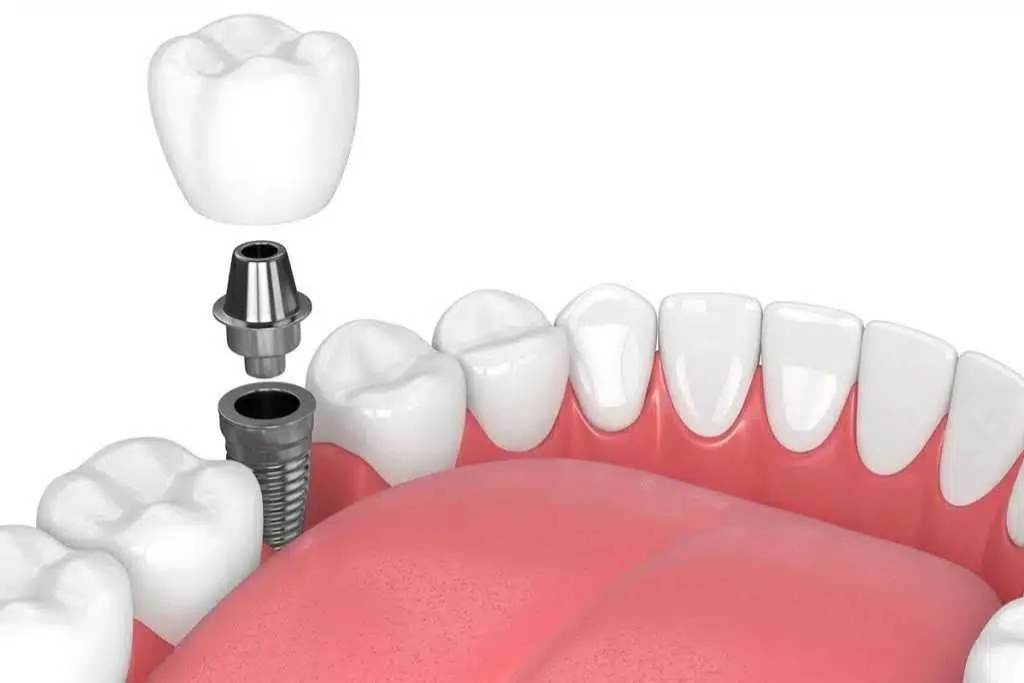
Dental implants are a durable option for replacing missing teeth, and they represent a widely used form of restorative dental treatment. When patients understand how implants function, they can be better equipped to make informed decisions about their oral health care. Because dental implants integrate with the jawbone to provide long-term stability, they are a reliable solution for tooth replacement. Here’s more information about this treatment and how it can help restore your smile:
Understanding Dental Implant Components
A dental implant is a small post, usually made of titanium, that a dentist places into the jawbone. This post acts as an artificial root, and it provides a stable base for a replacement tooth. Over time, the surrounding bone grows around the post through a process called osseointegration, which holds the implant firmly in position.
An implant system can include three parts:
- The Implant Post: The screw-like piece that sits within the jawbone and serves as the foundation.
- The Abutment: A connector that links the post to the visible replacement tooth.
- The Crown: The custom-made cap that resembles a natural tooth and completes the restoration.
Although these components serve distinct purposes, they function together as a single unit. Once assembled, they create a complete replacement that fits alongside your existing teeth. The result blends naturally into your smile, and it restores both function and appearance.
Restoring Everyday Chewing Function
Missing teeth can affect both the smile’s appearance and the bite’s function. Gaps may make chewing more difficult, and they sometimes allow neighboring teeth to shift over time. Dental implants address these concerns by filling the space with a stable, standalone replacement, which supports normal oral function long-term.
Because the implant anchors directly into the jawbone, it does not rely on adjacent teeth for support. This feature distinguishes it from traditional bridges, which use surrounding teeth as anchors, and it helps preserve the integrity of neighboring teeth. The neighboring teeth remain untouched.
Implants also help maintain jaw structure. A missing tooth allows the bone in that area to lose density over time, which can affect long-term oral health. The implant post provides stimulation similar to a natural root; this supports bone stability.
Navigating the Implant Process
During a consultation, your dentist examines your mouth, reviews your dental history, and evaluates imaging such as X-rays or scans. These steps help determine whether your jawbone can adequately support a stable implant. If you move forward with treatment, the dentist places the implant post into the jawbone during a scheduled procedure. A healing period follows so the bone can fuse with the post; the length of this phase varies from person to person. Individual factors and the location of the implant both influence the overall timeline.
Once healing is complete, the dentist attaches the abutment and fits the custom crown. Your dentist checks the alignment and makes small adjustments; they also confirm that the restoration matches your bite. After placement, you follow standard care routines, including regular brushing, flossing, and dental checkups, to help protect the restoration.
Learn More About Dental Implants
Dental implants offer a practical way to replace missing teeth while restoring the look and balance of your smile. They are designed to blend with surrounding teeth, and they can fill gaps, improve symmetry, and support facial structure. This helps your smile appear more complete and natural. Because implants function as a long-term replacement option, understanding their components and general process helps you approach your choices with more information. To learn whether implants suit your situation, schedule a consultation with a qualified dental provider.
