

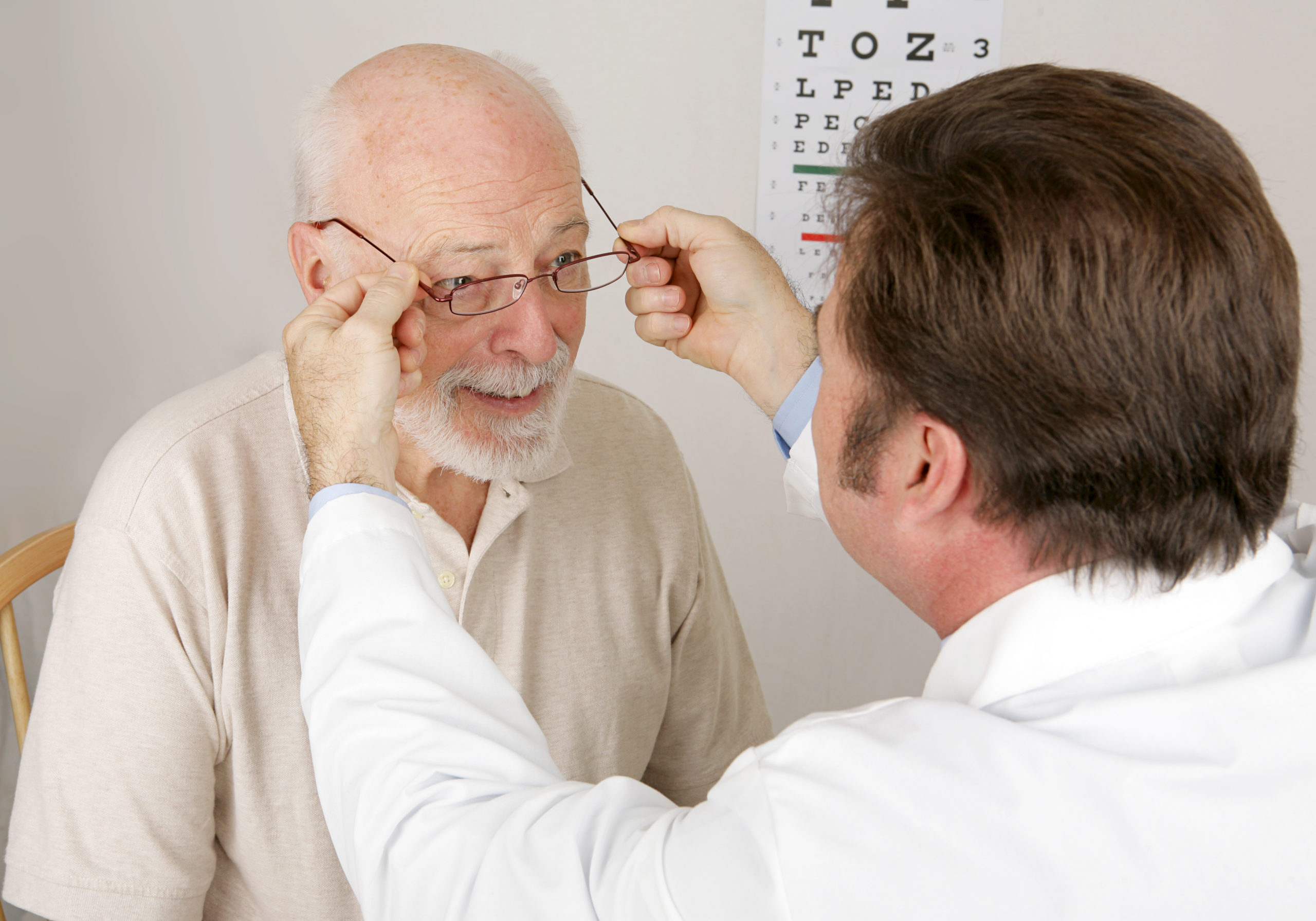
An ophthalmologist is a medical doctor specializing in eye and vision care, and they typically complete medical school and a residency. Unlike optometrists, ophthalmologists perform surgery when an eye condition requires it. As you age, their role in diagnosing and treating eye disease becomes more relevant to your daily life. Here is more information on their impact on aging and vision preservation:
Preventing Vision Loss
Many age-related eye diseases develop slowly before symptoms appear. A comprehensive dilated eye exam reveals early changes in the retina, lens, and optic nerve. Adults should get a baseline exam, and elderly persons need exams more often. Bring a list of your medications, and mention any family history of eye disease. During each visit, ophthalmologists check several key measures:
- Visual acuity at near and far distances
- Intraocular pressure, a risk factor for glaucoma
- Retinal health through dilated pupils
- Peripheral vision for blind spots
Replacing Cloudy Cataracts
A cataract is a clouding of the eye’s natural lens. Cataracts form as proteins in the lens break down with age. Colors may look faded, and night driving typically becomes harder. In some cases, you might also notice glare from headlights or sunlight.
Early cataracts may need only a new glasses prescription, but advanced cataracts usually require surgery. Your ophthalmologist removes the cloudy lens through a tiny incision. After the old lens comes out, the surgeon places a clear artificial lens called an intraocular lens. This lens stays in place permanently and needs no special care.
Sincee the procedure is typically short, many patients go home the same day. You will need follow-up visits, and you may use eye drops for several weeks. Your surgeon will explain lens options and recovery steps before the procedure.
Slowing Macular Degeneration
Age-related macular degeneration (AMD) damages the macula, the center of the retina. The macula controls sharp central vision, so AMD affects reading, driving, and recognizing faces. Dry AMD is more common, while wet AMD causes faster vision loss. Wet AMD involves leaking blood vessels under the retina.
No treatment cures AMD, but ophthalmologists use several approaches to slow it. For wet AMD, doctors may inject medication that blocks abnormal blood vessel growth. Some patients with intermediate dry AMD take eye vitamins under a doctor’s guidance.
Detecting Glaucoma
Glaucoma damages the optic nerve, which carries visual signals to the brain. The most common type causes no pain or early symptoms. Side vision fades first, and many people miss the change for years. Several factors raise your risk:
- Older adults
- Past family history of glaucoma
- High eye pressure or thin corneas
Ophthalmologists test eye pressure, inspect the optic nerve, and map your peripheral vision. Treatment typically starts with daily eye drops, and some patients need laser therapy or surgery. While these treatments do not restore lost vision, they may slow further damage. Regular follow-up visits show your doctor whether treatment is working.
Find Ophthalmologists Near You
If you are aging, schedule a comprehensive eye exam with an ophthalmologist. Write down any vision changes before your visit. Note blurry spots, glare, or trouble seeing at night, and share these details with your doctor. Regular exams give your doctor a clear record of your eye health over time.
