

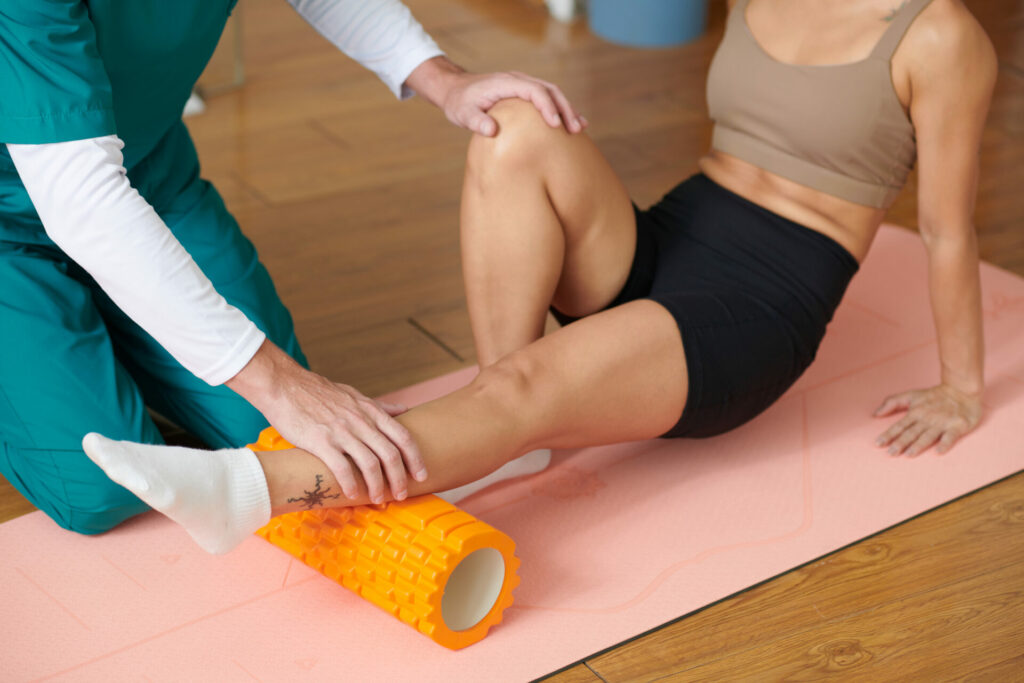
Sciatica is a condition characterized by pain that travels along the sciatic nerve, often extending from the lower back through the buttocks and down one leg. Common symptoms include sharp pain, tingling, numbness, and muscle weakness, which can affect mobility and daily activities. Here are some practical lifestyle changes that may alleviate sciatica pain:
Gentle Exercises and Stretching
Inactivity often leads to stiff muscles, and stiffness places extra strain on the lower back. Gentle movement can keep the muscles around the spine flexible. A physical therapist or physician can recommend stretches that match your specific condition. The following movements often appear in sciatica routines:
- Knee-to-chest stretch: Lie on your back and pull one knee toward your chest. This stretches the lower back and buttock muscles.
- Seated piriformis stretch: Sit in a chair, cross one ankle over the opposite knee, and lean forward slightly. This targets the piriformis, a muscle that sits deep in the buttock near the sciatic nerve.
- Pelvic tilts: Lie on your back with your knees bent and press your lower back flat against the floor. This strengthens the core muscles that support the spine.
- Hamstring stretch: Rest one heel on a low step and lean forward while keeping your back straight. Tight hamstrings can pull on the pelvis and lower back.
Proper Posture and Daily Movement
Posture affects how much pressure the lower back absorbs throughout the day. Slouching rounds the spine, placing uneven stress on the discs and nerves. Minor corrections, practiced consistently, can reduce that strain over time.
Sitting and Standing
Sit with your feet flat on the floor, and your knees level with your hips. A small cushion or rolled towel behind your lower back can support the spine’s natural curve. Stand up every few minutes, and walk for a minute or two before you sit again.
Lifting and Bending
Bend at your knees and hips instead of your waist when you lift an object. Keep the item close to your body, and avoid twisting while you carry it. Ask for help with heavy loads.
Healthy Weight for Spinal Support
The spine supports the upper body’s weight, and excess weight increases the load on the lower back. Extra abdominal weight also shifts the body’s center of gravity forward, pulling the pelvis out of alignment. A healthcare provider can help you set a realistic goal. Balanced meals with vegetables, lean proteins, and whole grains can support steady weight management.
Regular activity also supports weight control. Low-impact options such as swimming, water aerobics, and stationary cycling place less stress on the joints than running. Start slowly, and talk to your doctor before you begin a new program if your symptoms are severe.
Supportive Sleep Positions and Activities
Sleep position affects spinal alignment for several hours each night. Side sleepers benefit from a pillow between the knees, which keeps the hips level. Back sleepers may place a pillow under the knees to ease tension in the lower back. Stomach sleeping flattens the spine’s natural curve, so providers often advise against it.
Your mattress matters too. A medium-firm mattress supports the body without letting the hips sink too far. If your mattress sags in the middle, contemplate a replacement or a firm mattress topper.
Schedule Your Sciatica Appointment Today
Gentle exercise, better posture, weight management, and healthy sleep habits can reduce daily strain on the lower back. These changes are most useful as part of a plan that a qualified provider designs for your condition. Lifestyle adjustments do not replace a professional diagnosis, and persistent or worsening symptoms require medical attention. Contact a qualified pain specialist near you to schedule your sciatica appointment today.
