

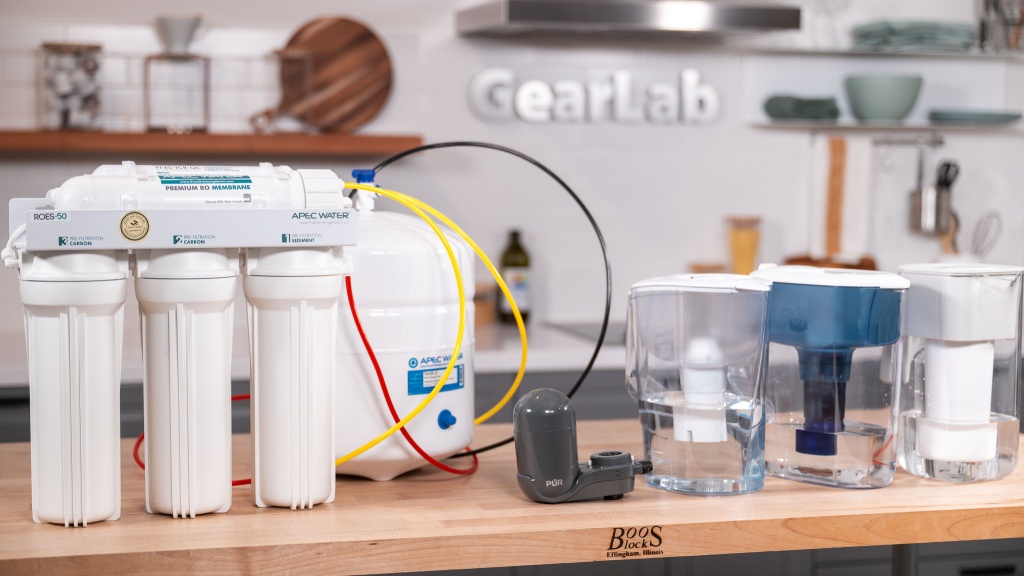
A water filter system removes impurities, contaminants, odors, and unpleasant tastes from water. It improves water quality by filtering out unwanted substances that affect its usability. Different filtration methods target specific contaminants, making some systems better suited to particular water sources and household needs. The following are some water filter systems you may choose to meet your needs.
Whole-House Water Filtration
A whole-house water filtration system is installed at the main water supply line to treat water before it reaches different outlets throughout a property. If your home receives water from a private well or a municipal supply with noticeable impurities, this system provides filtration throughout the plumbing network. It reduces sediment, chlorine, and other substances that affect water quality. Filtration media and treatment capacity depend on the unit’s design and the specific contaminants in the water.
Activated Carbon Filtration
Carbon filtration is a water purification method that uses activated carbon to reduce chemicals, unpleasant odors, and unwanted tastes from water. Offices, restaurants, and water treatment facilities might use it to improve water quality. It works through a process called adsorption, in which unwanted substances in water attach to the surface of activated carbon. A carbon water filter does not reliably remove dissolved salts, fluoride, nitrates, and microorganisms, but its effectiveness depends on the filter’s design and certification. Common types of carbon water filter systems include:
- Activated Carbon Block Filters: Use compressed carbon to trap contaminants and reduce chlorine, odors, and unpleasant tastes.
- Granular Activated Carbon Filters: Use loose carbon granules to absorb certain chemicals and improve water taste and smell.
- Carbon Cartridge Filters: Contain activated carbon in replaceable cartridges fitted into water filtration units.
- Carbon Under-Sink Filters: Are installed beneath kitchen sinks to filter water supplied through a dedicated faucet.
Ultraviolet Water Purification
This treatment process uses light to destroy or inactivate microorganisms in water, including bacteria, viruses, and parasites that cause waterborne diseases. Water passes through a chamber where ultraviolet light penetrates the microorganisms, preventing them from reproducing and causing infections. It works effectively when the water is properly pre-filtered, but additional measures are needed to prevent contamination during storage.
This filtration method avoids chlorine and other disinfecting chemicals, reducing the formation of harmful disinfection byproducts. They are easy to maintain because once installed, the system disinfects the water as it passes through the unit for consumption. This method also suits various applications, including homes, hospitals, schools, and industrial water treatment facilities.
Ceramic Filtration
A ceramic water filter system uses porous ceramic material to remove dirt, sediment, rust, and harmful microorganisms from water. It passes water through tiny pores in a ceramic filter that trap contaminants. It is commonly used in households, rural communities, and areas with inadequate drinking water.
This method is accessible because ceramics are widely available. In this case, communities can replace ceramic filter elements when they are damaged or worn out. They do not require electricity, since they rely on gravity, making them reliable in areas with limited access to power.
Learn More About Water Filter Systems
Choosing a suitable water filtration method depends on your household needs and the contaminants present in your water. Different systems target different impurities, so water testing is a useful step before choosing an option. Matching the test results with the filtration capabilities of your preferred system helps improve water quality for everyday household use. Consult a water filtration specialist to assess your water supply and identify an appropriate filtration solution.
