

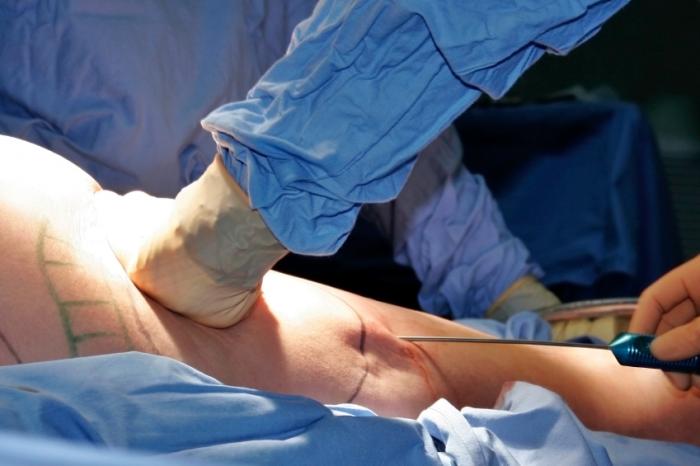
Liposuction is a surgical procedure that removes fat deposits from various areas of the body. Surgeons use suction techniques to create smoother contours, and they can target the abdomen, thighs, hips, and arms. Here’s more information about liposuction:
Knowing the Key Techniques
Surgeons may select a liposuction technique based on the treatment area, the volume of fat targeted, and their own training. Each method approaches fat removal differently, and your surgeon will recommend the most appropriate one for your situation. Different techniques include:
- Tumescent liposuction: The surgeon injects a saline solution with a local anesthetic and vessel-constricting medication before removing fat. This is one of the most commonly used methods.
- Ultrasound-assisted liposuction (UAL): Sound wave energy breaks down fat cells before the surgeon suctions them out.
- Laser-assisted liposuction (LAL): Laser energy liquefies fat prior to removal.
- Power-assisted liposuction (PAL): A vibrating cannula helps the surgeon dislodge fat more efficiently.
Understanding these options allows you to ask more informed questions during your consultation.
Following the Procedure Steps
The procedure begins with a consultation, during which the surgeon reviews your health history, treatment goals, and candidacy. On the day of surgery, the team administers anesthesia, which may be local, sedation, or general, based on the scope of the procedure. The surgeon then makes small incisions near the treatment area, and they insert a thin hollow tube called a cannula. This tube helps loosen and suction out fat. Some procedures can target larger areas, such as the full midsection. This method helps sculpt the torso in a single procedure.
The following are some additional target areas:
- Back
- Bra line
- Buttocks
- Knees
- Calves
- Chin and jawline
After the surgeon completes fat removal, the team closes the incisions with sutures or leaves them open to drain. This choice depends on the technique used. Many procedures take place on an outpatient basis, so patients typically return home the same day. Surgeons evaluate each candidate individually before proceeding. They may assess overall health, stable body weight, and skin elasticity in the treatment area; some also require individuals to quit smoking. Only a qualified medical professional determines whether liposuction is the right path for a given patient, which helps promote safety.
Planning Your Recovery
Recovery timelines vary by individual, but several aftercare steps apply broadly. Surgeons direct patients to wear a compression garment, keep incision sites clean, and limit strenuous activity for several weeks. Swelling and bruising are possible after surgery, and attending all follow-up appointments is a fundamental part of the process. Patients who plan ahead, such as arranging a ride home and getting help with daily tasks, may have a smoother recovery.
Learn More About Liposuction
Liposuction is a structured surgical procedure that helps reduce persistent pockets of fat. Before moving forward, understand the available techniques, the step-by-step process, and what aftercare involves. This knowledge allows you to plan ahead, and it helps make sure you are an ideal candidate for the procedure. Schedule a consultation with a board-certified plastic surgeon for personalized guidance and to determine whether liposuction aligns with your goals.
