

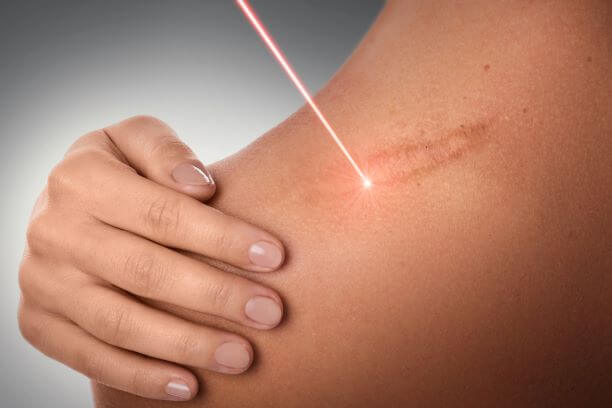
Scars form as a natural part of the body’s healing process. Scar revision offers a range of medical procedures designed to minimize the visibility of scars and improve skin texture. Whether a scar resulted from surgery, injury, or a skin condition, modern dermatology offers multiple treatment options. Understanding these methods can help patients make informed decisions about their skin care. Here is more information on what scar revision involves, who it helps, and what techniques are available:
What Is Scar Revision?
Scar revision refers to a set of medical procedures that improve the appearance of a scar, with the goal of making the scar blend more naturally with the surrounding skin in terms of color, texture, and size. These treatments do not completely erase scars, but they reduce their visibility. Dermatologists select the appropriate method based on the scar’s type, location, and severity.
Different scars respond to different approaches, and a dermatologist will guide proper treatment. A raised keloid scar requires a different technique than a sunken acne scar. By assessing each scar individually, a dermatologist can recommend the most suitable course of action.
Who Does It Help?
Scar revision benefits people with visible scars or who experience physical discomfort from them. Some scars restrict movement when they form over joints or tighten the skin; others cause itching, tenderness, or pain. Treatment can address both the cosmetic and functional concerns these scars create. Candidates include individuals with surgical, burn, acne, and accident scars. People with keloids or hypertrophic scars, which grow beyond the original wound, can also seek revision. A consultation helps determine whether a person is a good candidate based on their skin type and medical history.
What Are the Available Techniques?
Dermatologists use a range of techniques, potentially combining more than one for an enhanced outcome. The choice depends on the scar’s characteristics and the patient’s skin type. The available techniques include:
- Topical treatments: Gels, creams, and silicone sheets applied to the skin.
- Corticosteroid injections: Injections that shrink scars while easing itching.
- Cryotherapy: Controlled freezing that reduces the size of raised scars.
- Dermal fillers: Injectable substances that lift depressed scars.
- Laser treatment: Targeted light that resurfaces skin and improves scar color.
- Chemical peels: Acidic solutions that remove damaged outer layers of skin.
- Microneedling: Tiny needles that prompt collagen production.
- Surgical repair: Removal or repositioning of the scar tissue.
Each technique carries its own recovery time and suitability. A dermatologist matches the method to the scar rather than applying a single approach to every case.
What Does the Process Involve?
The process begins with a consultation; a dermatologist examines the scar and reviews the patient’s medical history. This evaluation determines the most fitting technique and sets realistic expectations. The dermatologist then explains the procedure, recovery timeline, and any potential side effects, facilitating informed decision-making.
Treatment itself varies depending on the method chosen. Laser therapy and injectable treatments may take place in a single office visit, while surgical revision sometimes requires local anesthesia and stitches. After the procedure is concluded, patients follow specific aftercare instructions to support healing. Follow-up appointments allow the dermatologist to monitor progress and adjust the plan as needed.
Consult a Dermatologist
Scar revision covers a wide range of techniques, from laser therapy to surgical correction, each designed to address specific scar types. The right approach depends on factors such as scar location, severity, and your personal goals. A qualified dermatologist can assess your skin, and they will recommend a treatment plan suited to your needs. If a scar affects your life, schedule a consultation with a dermatologist to explore your options.
