

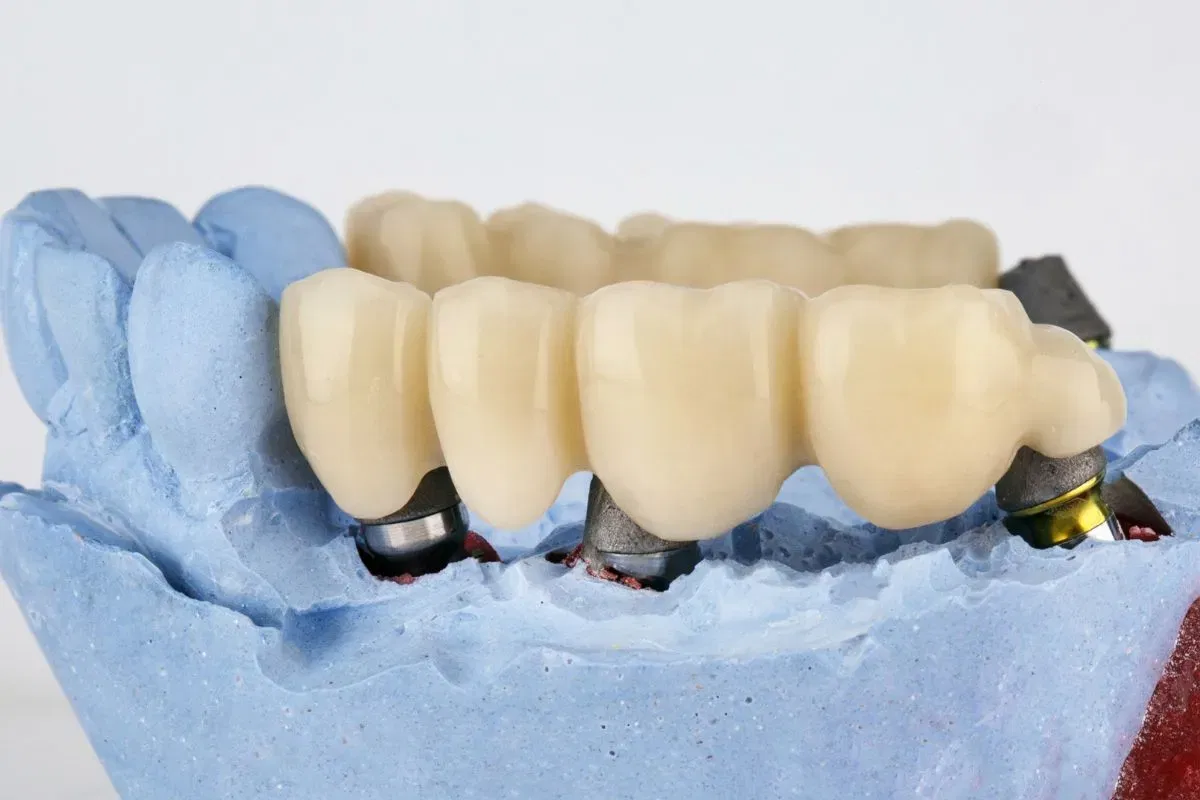
Damaged or missing teeth affect how you eat, speak, and smile, but crowns and bridges offer two solutions, and your dentist may suggest them. A crown covers a single damaged tooth, while a bridge fills the gap left by missing teeth. When you understand these options, you make clearer choices about your care. Here are some of the benefits of these restoration options:
Restoring Bite
A weakened tooth changes how your jaw closes. When pressure spreads unevenly, nearby teeth take on extra strain. A crown rebuilds the tooth’s shape, and it restores chewing function. You bite down with steady force again.
Bridges anchor to teeth on either side of a gap. The replacement tooth sits in the middle, and it holds your bite alignment in place. Since gaps let teeth drift, a bridge stops that shift before it starts. Your jaw can stay balanced through daily use after you get crowns and bridges.
Avoiding Extractions
Pulling a tooth is sometimes the last step, not the first. A crown protects a cracked tooth, and it keeps that tooth in your mouth. When decay reaches deep layers, a crown seals the area after treatment. You hold onto natural structure longer.
Several issues respond well to a crown instead of removal:
- A large filling that weakens the tooth
- A cracked or fractured surface
- A tooth treated with a root canal
Each case differs, so your dentist examines the tooth first. A crown covers what remains, and it shields the tooth from further damage. Since removal leads to gaps, keeping the tooth may simplify your future care.
Saving Natural Tooth
Your own teeth serve you better than any replacement. A crown wraps around a damaged tooth, and it adds a protective layer. When the structure stays intact, the roots keep supporting your jawbone. You preserve what nature gave you.
Dentists prepare the tooth before placing a crown. They remove decay, shape the surface, and fit the cap snugly. Since the natural root stays in place, the tooth still anchors firmly. This approach keeps surrounding teeth steady.
Talk with your dental team about which option fits your situation. They explain the steps, the timeline, and the costs in plain terms. Since every mouth differs, a personal exam guides the right plan. You leave the visit knowing what comes next.
Matching Natural Enamel
Modern restorations blend with your existing teeth. Materials like porcelain reflect light the way enamel does. Your dentist matches the shade to nearby teeth, and the result looks consistent. People typically can’t notice the difference.
Color is one factor among several. Your dentist also checks these details:
- Shade compared to neighboring teeth
- Shape that fits your bite
- Surface texture and finish
A skilled fit means the restoration sits flush against the gumline. When the teeth match your size and color, your smile stays even. You speak and laugh without second-guessing the look.
Get Crowns and Bridges Today
Crowns and bridges address damage, gaps, and worn teeth with lasting structure. A crown protects one tooth, while a bridge replaces missing ones. When you act early, you give your dentist more options to work with. Book an appointment with your dentist to discuss crowns and bridges. Ask questions, review your choices, and start your treatment plan.
