

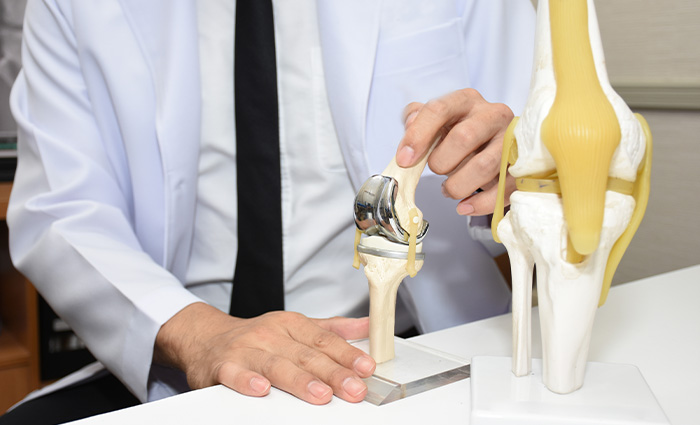
Joint replacement surgery has evolved significantly over the past decade. Orthopedics now use advanced techniques and technology to improve surgical accuracy during procedures. Patients often experience more efficient recovery processes compared to earlier approaches. Ongoing developments in orthopedic care continue to refine treatment methods and expand surgical options for patients. Here is more information on the advancements in joint replacement surgery:
Smarter Surgical Planning
Surgeons map out joint replacement procedures before the first incision using advanced planning tools. Three-dimensional imaging provides a detailed view of the joint, allowing surgeons to identify challenges before surgery begins. Surgeons review these scans to guide decisions about implant size and placement in advance of the procedure. This preparation reduces uncertainty and helps create a surgical plan tailored to each patient’s anatomy.
Refining Robotic Assistance
Orthopedics uses robotic systems to assist surgeons during the delicate steps of joint replacement procedures. These technologies help improve stability and support more precise implant alignment during surgery. Surgeons remain in full control of each decision and movement throughout the procedure. Robotic assistance works as a tool that enhances accuracy rather than replacing surgical judgment.
Robotic platforms also track joint positioning in real time during the operation. The surgeon guides each step while the system provides feedback to help refine implant placement. This continuous adjustment helps support more accurate alignment of the joint components. Proper alignment plays a key role in how well implants function over time once patients return to daily activities.
Personalizing Joint Implants
Personalized joint implants allow surgeons to better match components to each patient’s anatomy. Manufacturers now produce implants in a range of shapes and sizes, which helps improve fit and function. Surgeons select components based on individual measurements to support more natural joint movement. This tailored approach helps create a more comfortable and stable result after surgery.
Custom-fit implants support smoother movement and improved daily function after recovery. Patients often experience better joint stability and reduced strain on surrounding tissues. The improved fit helps restore mobility for everyday activities. Common benefits include:
- Improved range of motion
- Reduced joint discomfort
- Better implant stability
- Lower strain on the surrounding tissue
- Easier return to daily routines
Speeding Patient Recovery
Recovery after joint replacement surgery now progresses more quickly than in the past. Minimally invasive techniques use smaller incisions, which help preserve surrounding muscle and tissue. This reduced disruption supports earlier mobility and allows many patients to return home sooner.
Rehabilitation begins shortly after surgery to encourage safe movement. Physical therapists guide patients through structured exercises that rebuild strength and improve flexibility over time. These programs progress gradually to support steady improvement during recovery.
Pain management methods have also advanced in recent years. Improved approaches help patients move more comfortably in the early stages of healing. Many patients are able to begin walking within hours after surgery, depending on their individual recovery plan.
Schedule With Orthopedics Today
Advances in joint replacement have improved surgical techniques, recovery times, and long-term outcomes for many patients. Modern approaches focus on precision, comfort, and restoring mobility through personalized treatment planning. These improvements allow patients to explore more effective options for managing joint pain and dysfunction. Schedule a consultation today to learn which treatment options fit your needs and take the first step toward lasting relief.
