

Allergies affect many children, and the signs are not always obvious. An allergist is a doctor who diagnoses and treats allergic conditions, and when your child shows repeated symptoms, this specialist tests for triggers and builds a treatment plan. Since allergies vary from child to child, an expert opinion helps you understand what your child faces. Here are some telltale signs that your child may have allergies:
Frequent Sneezing
Sneezing is a normal reflex, but frequent sneezing may point to something more. Your child might sneeze after playing outside, and the pattern often repeats each season. When sneezing lasts for weeks, an allergist looks for environmental triggers behind it.
Certain allergens tend to cause repeated sneezing in children. Watch for these common triggers:
- Pollen from trees and grass
- Dust mites in bedding
- Pet dander from cats or dogs
- Mold in damp rooms
Track when the sneezing happens, because timing gives the doctor useful clues. A symptom diary is simple, and it helps the allergist spot patterns quickly. When you bring these notes to an appointment, the conversation moves faster.
Itchy Eyes
Itchy eyes appear alongside sneezing during allergy flare-ups. Your child may rub their eyes often, and the whites may turn pink or red. When rubbing continues, the irritation sometimes spreads to the skin around the eyes. Watery, itchy eyes usually signal a reaction to airborne allergens. As symptoms overlap with common colds, testing helps separate one cause from another.
Red Patches
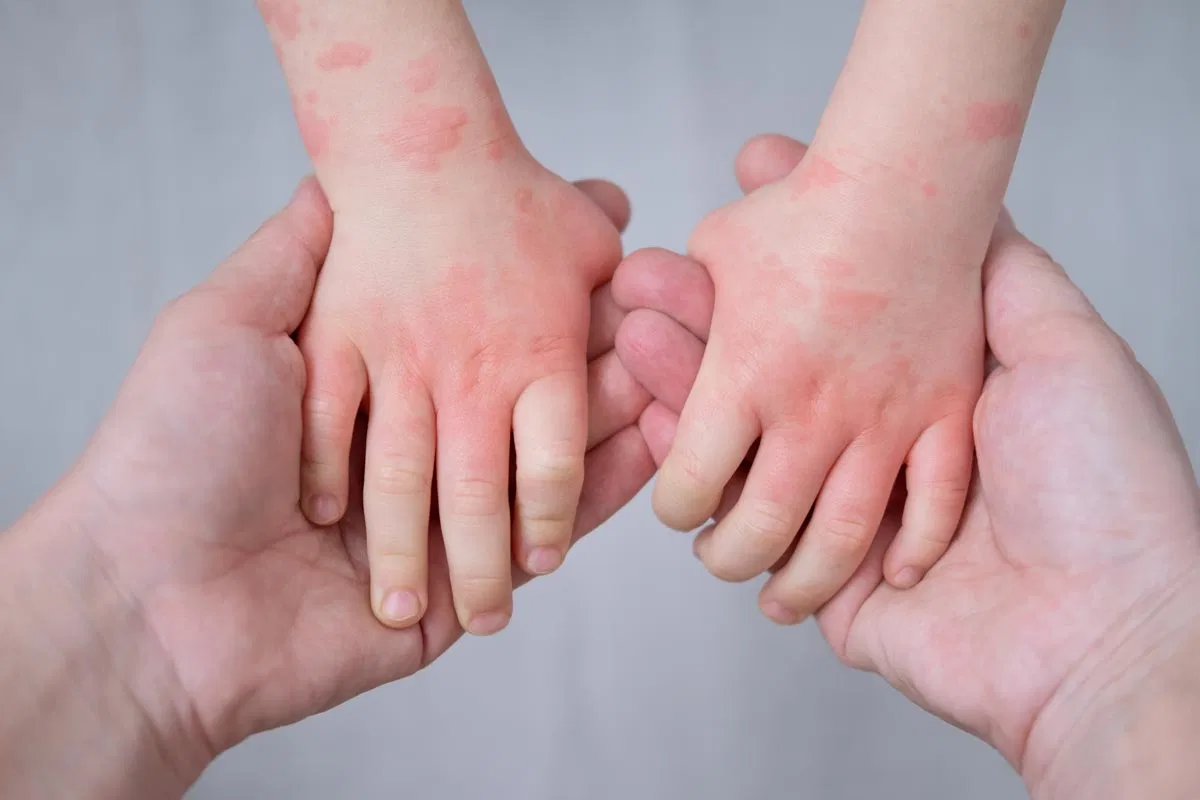
Red patches on the skin are a frequent sign of allergic reactions. These patches may feel dry or raised, and they sometimes itch throughout the day. When patches appear after contact with a new product, the trigger may be nearby.
Skin reactions show up in several forms, and each one tells a different story. Look for these signs:
- Dry, scaly areas on the cheeks or arms
- Raised welts that come and go
- Increased redness after touching soaps or lotions
An allergist reviews the pattern and location of these patches. Since skin symptoms are linked to food, contact, or air, testing narrows the list. You can describe what you see, and the doctor matches it to likely causes.
Sudden Food Reactions
Food reactions come on quickly, and they need close attention. Your child might develop hives after eating, or their lips may swell within minutes. When breathing changes or vomiting starts, seek medical help right away.
Major food triggers include peanuts, milk, eggs, and shellfish. An allergist runs controlled tests to confirm which foods cause trouble. Since reactions range from mild to severe, a clear diagnosis shapes your daily choices. You track the meals, and the specialist identifies the culprit.
Some reactions are mild, while others escalate fast. Keep a record of what your child ate and when symptoms began, and provide this information. This detail helps the allergist plan safe next steps.
Schedule an Allergist Visit Today
Frequent sneezing, itchy eyes, red patches, and food reactions all point toward possible allergies. When these signs keep returning, a professional evaluation gives you clearer answers. Call a local office today to book an appointment with a pediatric allergist. Bring your symptom notes, and a medical team will guide you through the next steps.
