

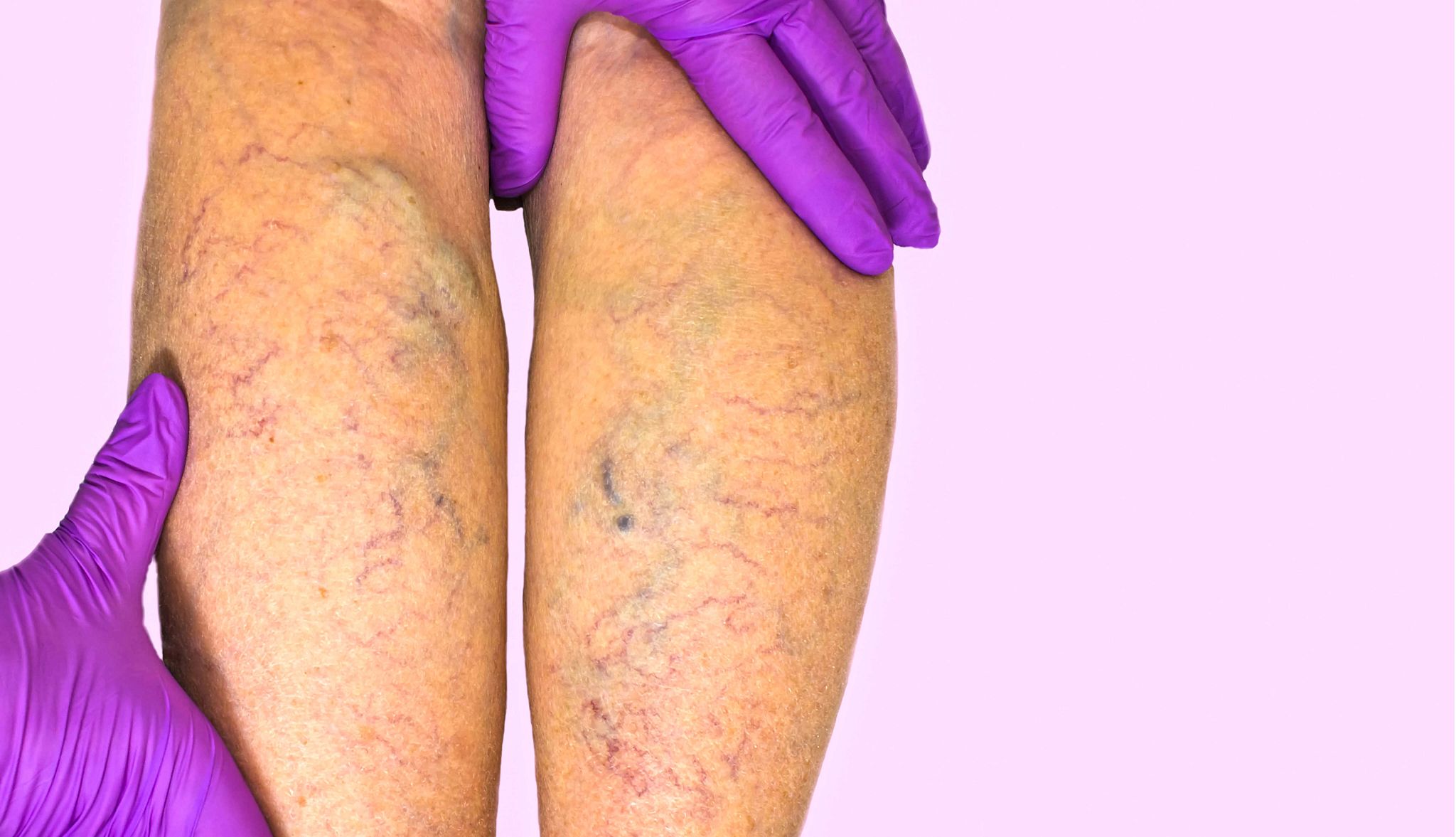
Chronic venous insufficiency (CVI) affects how blood moves through the veins in your legs. Healthy veins use small valves to keep blood flowing toward your heart. With CVI, these valves weaken, and blood can pool in the lower legs. Your daily habits can influence vein pressure, so your provider may discuss lifestyle changes as part of your care.
Weight and Vein Pressure
Body weight places pressure on the veins in your legs and abdomen. Extra weight can increase this pressure, and weakened valves sometimes have more difficulty moving blood upward. When vein pressure rises, swelling may increase, and the skin around your ankles changes color. Carrying extra weight also raises the demand on your circulatory system. Your veins must work harder to return blood to your heart, and this added effort can worsen valve damage over time.
Even a modest reduction in weight helps ease vein pressure, and your provider will help you set a realistic goal. Your provider may recommend weight loss as part of your chronic venous insufficiency treatment plan. Some patients benefit from tracking daily food intake, and this habit can make patterns easier to spot. Ask which foods support healthy circulation. If you plan to lose weight, discuss your starting point with your provider.
Movement and Circulation
When you sit for long periods, flex your ankles often. Stand up when you can. Simple ankle movements activate the calf muscles without requiring a full workout. Rotating your ankles or pointing and flexing your feet can support circulation during long periods of rest. Standing or walking a short distance gives your calf muscles a chance to work, and this regular activity reduces fluid buildup by day’s end. Elevating your legs during breaks also helps blood return to the heart more easily, and your provider can advise on the best angle and duration for you. Your provider may recommend regular exercise to strengthen your calf muscles. Before you start a new routine, ask your provider about safe activities.
Habits and Leg Care
Compression therapy applies steady pressure to your legs. The stockings support vein walls, and they help move blood toward your heart. Many providers suggest putting them on in the morning, before swelling builds, and removing them before bed. Key things to know about compression stockings include:
- Pressure levels: Stockings are measured in millimeters of mercury (mmHg), and higher numbers mean greater pressure. Your provider chooses the right level based on your symptoms and overall health.
- Prescription vs. over-the-counter: Over-the-counter options are available, but prescription-grade stockings offer more precise support and are often more durable.
- Consistency matters: Skipping days can let swelling return, so wear compression as directed.
- Comfort concerns: If your stockings feel uncomfortable or difficult to put on, tell your provider. They can suggest a different style or a donning aid to make the process easier.
Schedule a Chronic Venous Insufficiency Visit
Lifestyle choices are one part of CVI care. Your provider reviews your symptoms, and they may recommend weight loss, regular exercise, compression therapy, or skin care changes. If you have leg swelling, aching, or skin changes, schedule an appointment and bring a list of your daily habits. This information helps your provider create a plan that fits your routine. Regular follow-up visits allow your provider to track changes.
