

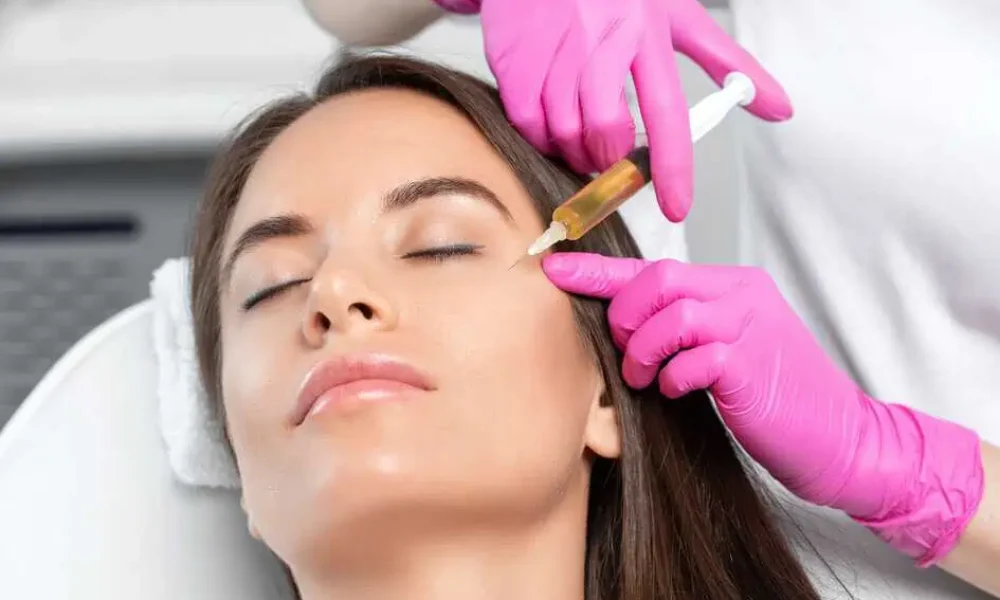
Platelet rich plasma (PRP) therapy is a medical procedure that uses concentrated platelets from a patient’s blood to support the body’s natural healing processes. Healthcare providers may use this treatment for certain musculoskeletal injuries, joint conditions, and cosmetic concerns, although its effectiveness varies depending on the condition being treated. Here are some frequently asked questions about platelet rich plasma therapy:
How Does PRP Therapy Work?
Platelets are small cells in the blood that help form clots, and they also contain proteins called growth factors. Growth factors signal the body to repair tissue. Platelet rich plasma therapy concentrates these platelets so that the treated area receives a higher amount than normal blood provides. The goal is to support the body’s natural healing response in tissues with limited blood flow, such as tendons and ligaments.
What Conditions Can It Treat?
Providers use PRP therapy for a range of musculoskeletal and soft tissue concerns. Research on its use continues, and results differ from one condition to another. A specialist reviews your medical history and imaging before they recommend this treatment. Common areas of use include:
- Osteoarthritis: Providers inject PRP into joints such as the knee, hip, or shoulder to address pain related to cartilage wear.
- Tendon injuries: Conditions such as tennis elbow, Achilles tendinopathy, and rotator cuff strain involve damaged tendon tissue.
- Ligament sprains: Partial ligament tears from sports or daily activity are another area of use.
- Muscle strains: Athletes and active adults sometimes receive injections for muscle injuries that heal slowly.
- Nerve-related pain: Some clinics use PRP for certain nerve conditions, though research in this area is still developing.
What Happens During Treatment?
Some PRP procedures take place in an outpatient clinic, and patients usually return home the same day. The following sections describe what happens when you arrive for treatment and what follows after.
During the Procedure
The provider first draws your blood and processes it in the centrifuge while you wait. Next, they clean the injection site and apply a numbing agent to reduce discomfort. Some providers use ultrasound guidance, which shows the target tissue on a screen so that they can place the needle precisely. The injection itself takes a few minutes, and you remain seated or lying down throughout.
After the Procedure
Soreness and swelling at the injection site are common for several days. Your provider may advise you to avoid anti-inflammatory medications, as these can interfere with the platelet response. Patients often resume light activity within a day or two, but they should avoid strenuous exercise for the period their provider sets.
How Safe and Effective Is PRP?
Platelet rich plasma therapy uses your own blood, so the risk of an allergic reaction or disease transmission is low. Possible side effects include pain at the injection site, bruising, infection, and tissue irritation. Your provider reviews these risks with you before treatment so that you can make an informed decision. Patients with certain blood disorders, active infections, or cancer are often not candidates, and a specialist checks for these factors during the evaluation. Effectiveness varies from person to person. Age, overall health, injury type, and preparation method can influence outcomes.
Learn More About Platelet Rich Plasma Therapy
PRP therapy uses a concentrated portion of your own blood to target injured or painful tissue. Providers use it for joint, tendon, ligament, and muscle conditions. Results depend on individual factors, so a thorough medical evaluation is a key first step. To learn more about PRP therapy, contact a qualified pain specialist near you to schedule your consultation today.
