

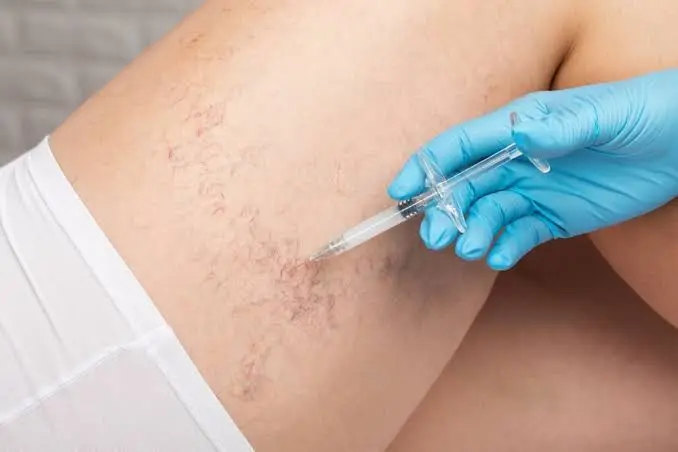
People may notice changes in the veins of their legs as they grow older. Some of these veins become enlarged, twisted, and visible just under the skin. These are known as varicose veins, and they are a common concern for adults of many ages. While some people view them mainly as a cosmetic matter, others may experience discomfort that prompts them to seek care. One treatment that medical providers can discuss is sclerotherapy.
What Are Varicose Veins?
Veins are blood vessels that carry blood back toward your heart, and inside many veins are small valves that help keep blood moving in the right direction. When these valves weaken or stop working well, blood can pool in the vein instead of flowing upward. This causes the vein to swell and become visible through the skin.
Varicose veins often appear on the legs and feet. They may look blue, purple, or bulging, and some people notice a rope-like appearance beneath the skin. Several factors raise the chance of developing varicose veins, including:
- Age: Vein valves can wear down over time.
- Family History: A genetic link may run in families.
- Pregnancy: Changes in blood volume and hormones can affect veins.
- Sitting or Standing: Prolonged limited movement may slow blood flow.
- Body Weight: Extra weight can add pressure to the veins.
Some people with varicose veins have no symptoms at all. Others notice aching, heaviness, swelling, or itching near the affected area.
What Is Sclerotherapy?
Sclerotherapy is a procedure that providers use to treat certain varicose veins and smaller spider veins. During the procedure, a provider injects a solution directly into the affected vein using a fine needle. This solution is designed to irritate the lining of the vein. The treated vein gradually closes in response, and it is no longer used for blood flow. The body gently redirects blood through nearby healthy veins. This closed vein may fade from view as the body absorbs it. Blood circulation continues through the surrounding vessels.
What Should You Expect?
Knowing what happens before, during, and after a procedure can help you prepare. Before the procedure, your provider may review your medical history and examine the veins to be treated. You will receive instructions about which medications to pause, or you can receive guidance on how to prepare for the day of your appointment.
The provider cleans the area, and they will inject the solution into the targeted veins. Each injection usually takes only a short time. After the procedure, you may be asked to wear compression stockings for a period of time to support the treated area. Walking can be encouraged to keep blood moving. Many people return to their usual daily activities soon after, but your provider will give directions based on your situation.
Speak Further With a Provider
Varicose veins are a common condition, and sclerotherapy is one of several approaches a provider may discuss with you. Because each person’s health is different, the right choice depends on your symptoms, your medical history, and your personal goals. A provider can examine your veins, answer your questions, and explain which options may be a good fit.
