

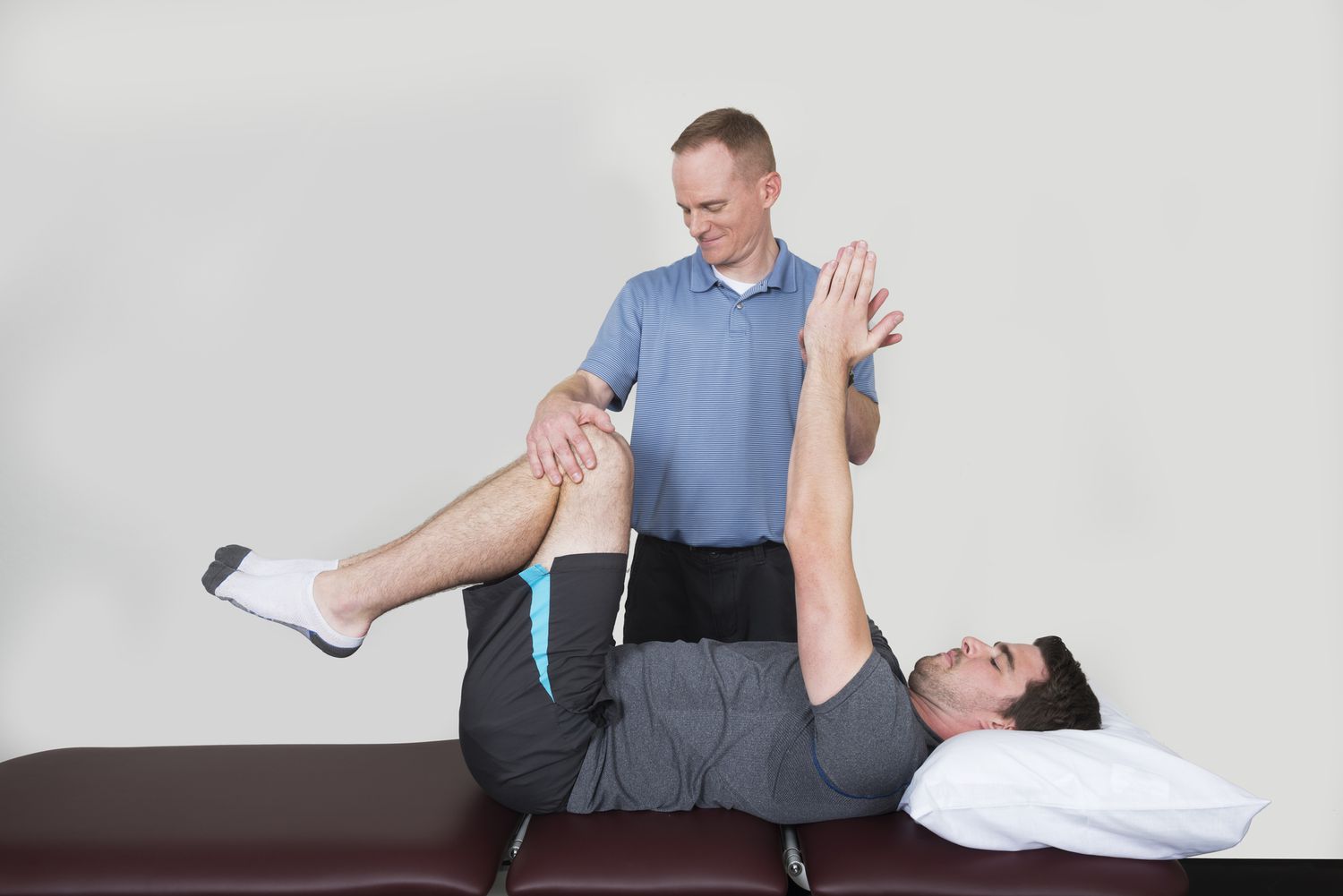
Spinal stenosis is a condition where some spaces within the spine narrow, often placing pressure on the spinal cord and the nerves that travel through it. This condition develops gradually, and it may affect different regions of the spine. Understanding what leads to spinal stenosis can help you recognize its potential causes and discuss them with a qualified medical professional for timely medical guidance. Here are some common causes of spinal stenosis:
Age and Degenerative Changes
Aging is one of the most frequently associated factors with spinal stenosis. Structures that make up the spine undergo natural changes over time, contributing to the narrowing of spinal spaces. Spinal stenosis can affect two main areas of the spine: the neck and the lower back. When it occurs in the neck, it is referred to as cervical stenosis. When it develops in the lower back, it is called lumbar stenosis. Lumbar stenosis is the most common form of this condition.
How Age Impacts the Spine
As people grow older, the components of the spine wear down. The intervertebral discs may lose water content and become thinner. The ligaments that support the spine thicken over time, and the joints between the vertebrae can develop changes. Bone tissue can also shift with age, which affects the overall structure of the spine.
How Age Causes Stenosis
These age-related changes can gradually reduce the amount of open space within the spinal canal. Thickened ligaments, thinning discs, and altered joints may each contribute to narrowing. When these factors combine, the spaces around the spinal cord and nerves can become smaller. This reduction in space is a defining feature of spinal stenosis.
Acute Injuries
Sudden trauma can also cause spinal stenosis to develop. Car accidents, falls, and sports injuries are examples of events that may damage the spine. These injuries often fracture vertebrae or displace bone, and the resulting changes can reduce the space within the spinal canal.
Swelling and inflammation following an injury can add further pressure on the surrounding spinal structures. Fragments of bone or displaced tissue may intrude into the spinal canal, also limiting space. The severity of the narrowing often depends on the location and extent of the injury. Prompt evaluation after any significant spinal injury allows a medical professional to assess the situation accurately.
Chronic Conditions
Certain long-term conditions are also linked to stenosis, such as osteoarthritis. Osteoarthritis can lead to the formation of bone spurs. These spurs may grow into the spinal canal, reducing the available space. Rheumatoid arthritis, another chronic condition, can also affect the joints and tissues of the spine.
Other chronic conditions may also contribute to spinal concerns. Tumors that develop within or near the spine may press against the spinal cord or nerves, causing symptoms like:
- Increased Spinal Pain
- Decreased Hand Function
- Weakness and/or Numbness of the Limbs
Some people are born with a naturally narrow spinal canal, a condition known as congenital stenosis. Paget’s disease, which affects bone remodeling, has also been associated with structural changes in the spine. Each of these conditions can influence the spine in different ways, and their effects can accumulate over time.
Manage Spinal Stenosis Effectively
Recognizing the potential causes of stenosis is a helpful first step toward understanding the condition. Age-related changes, acute injuries, and chronic conditions can each contribute to the narrowing of spinal spaces. Because these factors vary from person to person, an individualized assessment is often valuable. If you notice spinal symptoms that concern you, contact a spine specialist today. A thorough evaluation can help identify the specific factors involved in your situation.
