

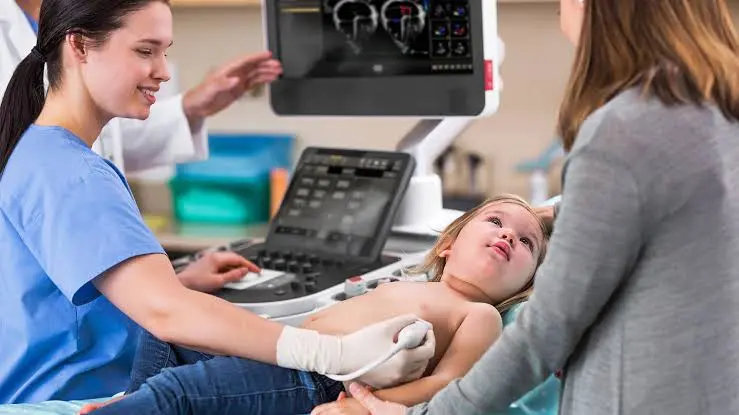
Pediatric imaging plays a significant role in evaluating respiratory conditions in children. Diagnosing these conditions can be challenging because children may have difficulty describing symptoms, and findings can overlap across different respiratory issues. Here is what to know about pediatric imaging challenges in diagnosing respiratory conditions:
Selecting Imaging Tests
Clinicians choose a pediatric imaging modality based on the suspected condition, the child’s age, and the required level of detail. The right choice depends on what the care team needs to see, and matching the test to the question keeps the process efficient. Several imaging options are available for respiratory evaluation, each serving a specific purpose. Here are some of them:
- Chest X-ray: This quick scan shows the lungs and airways, and it often serves as the starting point for respiratory questions.
- CT scan: This detailed cross-sectional view captures fine structures, and clinicians reserve it for cases that require deeper information.
- Ultrasound: This radiation-free method assesses fluid and certain lung findings, and it works well for repeat monitoring.
- MRI: This tool produces detailed soft-tissue images without radiation, though it takes longer and requires the child to stay still.
These options give care teams flexibility, and the final selection reflects the clinical goal and the child’s comfort.
Balancing Detail and Safety
Some imaging methods use radiation, so clinicians weigh the detail they gain against the exposure involved. Children are more sensitive to radiation than adults, and this fact influences every decision about pediatric imaging. A care team aims to gather enough information without exposing the patient to unnecessary risk.
Radiologists apply the “as low as reasonably achievable” principle and adjust settings to account for a child’s smaller size. When a lower-radiation option can answer the question, teams often choose that route first, and they may turn to ultrasound or MRI when appropriate. Parents can ask how a facility manages radiation, and a child-conscious center will explain its approach in plain terms.
Overcoming Age-Specific Challenges
A child’s age affects how imaging unfolds, and younger patients present unique challenges to the process. An infant cannot follow instructions to hold still, while a toddler may find the equipment unfamiliar and unsettling. Motion is a common challenge; slight movement can blur a scan enough to require a repeat. The following approaches support clearer results across age groups:
- Comfort positioning: Staff use supports and gentle holds to keep the child steady during short scans.
- Distraction tools: Music, videos, or a familiar toy may ease anxiety, and a calmer child moves less.
- Feed-and-wrap technique: For infants, feeding followed by swaddling encourages natural sleep and reduces movement.
- Sedation when needed: For longer scans, a care team may contemplate light sedation, and specialists monitor the child throughout.
These techniques improve image quality and make the experience more manageable for both the child and the parent.
Interpreting Clinical Findings
An image alone rarely tells the complete story, so radiologists read results alongside the child’s symptoms and history. Two children may show similar findings on a scan, yet their conditions can differ once the full context is clear. This is why the care team combines pediatric imaging with physical exams, lab work, and the details parents provide.
Accurate interpretation depends on collaboration, and specialists often confer to reach a shared understanding. A pediatric radiologist brings training focused on children, and that expertise helps distinguish normal developmental features from actual concerns. Parents play a key role here too, and the observations they share about symptoms at home add helpful detail.
Schedule Your Pediatric Imaging Consultation
Diagnosing respiratory conditions in children requires careful test selection, radiation awareness, age-specific preparation, and interpretation within the full clinical picture. It is a collaborative process that involves specialized expertise and detailed diagnostics, with parents also providing valuable input. Contact a reputable medical imaging center near you to schedule your pediatric imaging consultation today.
