

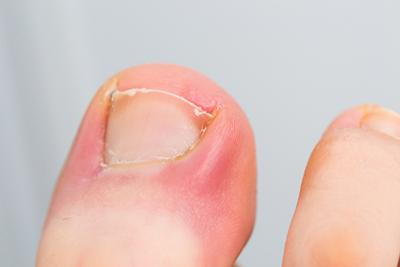
Ingrown toenails develop when the nail edge grows into the surrounding skin, causing pain and swelling. They range from mildly uncomfortable to severely painful, and when left unaddressed, they may lead to infection. Trimming nails straight across, wearing well-fitted shoes, and keeping feet clean are among the most effective prevention strategies for podiatry patients. Here is more information on this condition, its causes, symptoms, and effective prevention strategies
What Are Ingrown Toenails?
Ingrown toenails occur when the edge or corner of a toenail grows into the surrounding skin rather than over it. This condition most frequently affects the big toe, though it can develop on any toe. The skin surrounding the nail becomes irritated, and without intervention, the area can become infected.
What Causes Them?
Several factors contribute to the development of ingrown toenails, and some individuals are more predisposed than others. Improper nail trimming is one of the most frequent causes. Cutting nails too short or rounding the edges encourages the nail to grow into the skin. Wearing tight or narrow footwear places direct pressure on the toes, which can force the nail sideways over time.
Other contributing factors include nail trauma (such as stubbing a toe or repetitive pressure from physical activity), naturally curved nail shapes, and certain skin conditions that affect the tissue around the nail. Genetic predisposition also plays a role. If ingrown toenails run in a patient’s family, they may be more susceptible. Recognizing these causes early can make it easier to adjust habits before symptoms worsen, and a podiatrist will guide appropriate interventions.
What Are the Symptoms?
An early sign of an ingrown toenail is tenderness along one or both sides of the nail, and this can affect mobility. The affected area may appear red, feel warm to the touch, and swell slightly. As the condition progresses, pain typically intensifies, particularly when wearing shoes or applying pressure to the toe.
In more advanced cases, the skin may begin to grow over the nail edge, and the site has the potential to become infected. Signs of infection include increased redness, swelling, pus discharge, and a foul odor. Seek podiatric care promptly if these symptoms appear, as untreated infections can spread to the surrounding tissue.
What Are Effective Prevention Tips?
There are several prevention strategies that help mitigate the risk of developing ingrown toenails, and these strategies include:
- Cut toenails straight across, not curved at the corners
- Wear footwear with a wide toe box that does not compress the toes
- Inspect feet regularly for early signs of redness or tenderness around the nail
Maintaining general foot hygiene also supports prevention. Wash feet regularly with soap and water, and dry them thoroughly, particularly between the toes. Moisturizing dry skin around the nails can keep the surrounding tissue supple and less prone to cracking or irritation.
Keep Your Feet Healthy
Ingrown toenails are preventable with consistent, straightforward habits; trimming nails correctly, wearing well-fitting shoes, and monitoring foot health are practical steps that help reduce the risk of developing this condition. Catching early symptoms, such as tenderness or mild redness along the nail edge, allows for timely intervention before complications arise. If you are experiencing persistent pain, signs of infection, or recurring ingrown toenails, consult a podiatrist for a professional assessment.
