

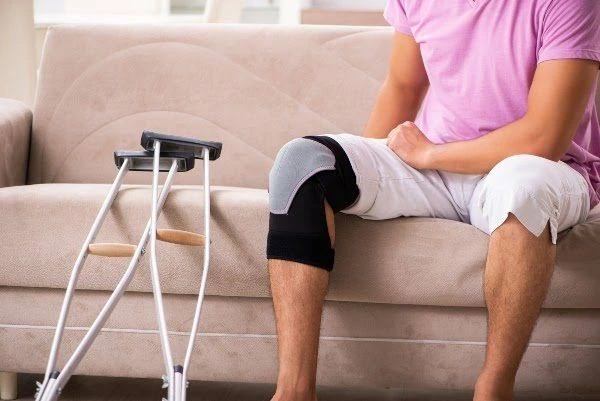
Joint replacement surgery can reduce chronic pain, restore mobility, and improve daily function when joint damage affects quality of life. Recovery involves following postoperative instructions and allowing the body time to heal. Here is what patients can expect during recovery after joint replacement surgery:
Preparing for Early Recovery
Good preparation begins before your joint replacement surgery date, and it makes the first weeks at home much smoother. You may move slowly at first, so a tidy and safe space helps you avoid trips and falls. Here are helpful steps for preparing for early recovery:
- Clear walking paths: Remove loose rugs and cords to move safely with a walker or cane.
- Stock the basics: Place water, snacks, and medicine where you can grab them without bending or stretching.
- Arrange support: Ask a friend or family member to help with meals, rides, and chores for the first week or two.
Preparing your home and support system in advance can help you create a safe and comfortable environment for a smooth recovery.
Managing Pain and Swelling
Some pain and swelling are normal in the days after a joint replacement, and they tend to ease as you heal. Your care team will give you a medication plan, and you should follow the timing they set. Ice packs can reduce swelling, so place them on the area as directed and rest with the joint raised when you can.
Caring for your incision is a key part of safe healing. Keep the area clean and dry, and check it each day for redness, warmth, or extra fluid. Watch for signs such as a fever or growing pain, and call your care team if these appear. Gentle movement also helps blood flow, which supports healing, but you should avoid pushing past what your doctor allows.
Rebuilding Strength and Movement
Physical therapy begins soon after surgery. A therapist guides you through exercises that rebuild strength, and these moves slowly restore your range of motion. Doing your exercises at home matters just as much as your therapy visits. Here are fundamental habits that support steady progress:
- Move daily: Short, frequent sessions help keep your new joint flexible and reduce stiffness.
- Follow the plan: Stick to the repetitions and limits your therapist sets, and do not skip rest days.
- Track your wins: Note small gains, like walking farther or climbing a flight of stairs, to stay motivated.
Consistency in these habits builds the foundation for a smooth recovery and long-term mobility.
Protecting Your New Joint
A healthy weight lowers stress on the joint, so balanced meals and regular movement both help over time. Low-impact activities like walking, swimming, and cycling keep you active while they protect your new joint. You will still want to guard against falls and sudden twists, even months after surgery. Wear supportive shoes, use handrails on stairs, and clear clutter from your floors. Keep your follow-up visits, and tell your doctor about any new pain or stiffness. These steady habits help your joints serve you well, and they keep you doing the things you enjoy.
Schedule Your Joint Replacement Appointment
Committing to daily movement, adhering to your physical therapy plan, and recognizing your progress can help you regain independence after joint surgery. Prioritizing these habits aids your recovery and also enhances the long-term protection and function of your new joint. Contact a qualified orthopedic surgeon near you to schedule your joint replacement appointment today.
