

Hair loss can result from factors such as genetics, hormonal changes, aging, and certain medical conditions. Modern hair restoration offers a variety of treatment options that range from noninvasive therapies to advanced regenerative techniques. Many of these approaches are designed to support healthier hair growth while minimizing downtime. An evaluation by a qualified provider helps determine the most appropriate treatment based on the cause and pattern of hair loss. Here is more information about the evolution of hair restoration techniques:
Exploring Early Hair Restoration Methods
Modern hair restoration uses non-surgical treatments to support natural hair growth. A qualified provider evaluates your hair loss and recommends treatment options that fit your needs. Treatment plans may include PRP therapy or other regenerative approaches based on your condition. These options aim to support healthier hair growth with minimal downtime. Early evaluation helps address hair thinning before it progresses further. Prompt care also gives providers more opportunities to recommend appropriate treatment options. Your provider monitors your progress and adjusts your treatment plan when needed. Schedule a consultation today to learn which hair treatment is right for you.
Understanding Non-Surgical Options
Advances in medical research have expanded hair treatment beyond traditional surgical procedures. Researchers found that platelets contain growth factors that support the body’s natural healing processes, leading to the development of platelet-rich plasma (PRP) therapy. Today, PRP is used in several medical fields, including sports medicine, dermatology, and hair treatment.
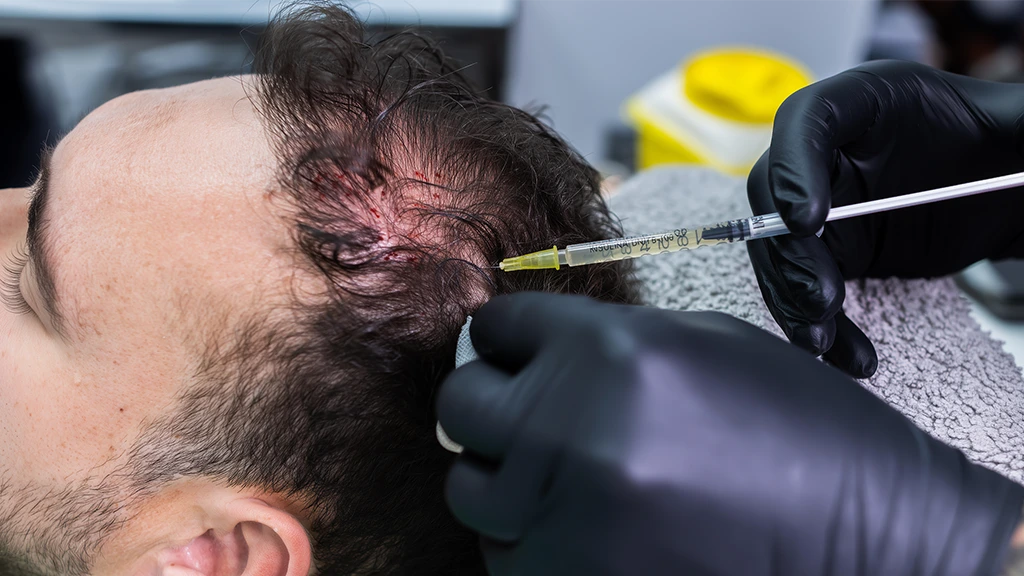
PRP therapy uses a patient’s own blood to create a concentrated solution of platelets. During the procedure, a provider draws a small blood sample, processes it to separate the platelet-rich plasma, and injects the solution into areas affected by hair thinning. Because the treatment uses the patient’s own blood, it is a minimally invasive option that typically requires little downtime.
Unlike hair transplant procedures that move existing hair follicles, PRP therapy is designed to support the activity of existing hair follicles. This treatment has been used in sports medicine for many years and has become an increasingly common option for hair treatment. A provider can determine whether PRP therapy is appropriate based on the patient’s pattern of hair loss and overall health.
Discovering Modern Hair Restoration Benefits
Modern non-surgical hair treatments offer several advantages for patients seeking to address hair thinning without surgery. Common benefits include:
- No incisions, scarring, or surgical procedures
- Minimal downtime after treatment
- Natural hair growth using existing hair follicles
- Comfortable, minimally invasive treatment sessions
- Use of the patient’s own blood during PRP therapy
Some providers also recommend supportive therapies, such as HairMax® and Capillus® laser devices, to complement in-office PRP treatments. These options may be used between appointments as part of a comprehensive hair treatment plan.
Schedule Your Consultation Today
Modern hair restoration offers non-surgical treatments that support natural hair growth using advanced medical techniques. A qualified provider can evaluate the cause of hair thinning and recommend treatment options that fit your needs and goals. Early evaluation allows providers to address hair loss before it progresses further. Schedule a consultation today to learn which hair restoration treatment is right for you.
