

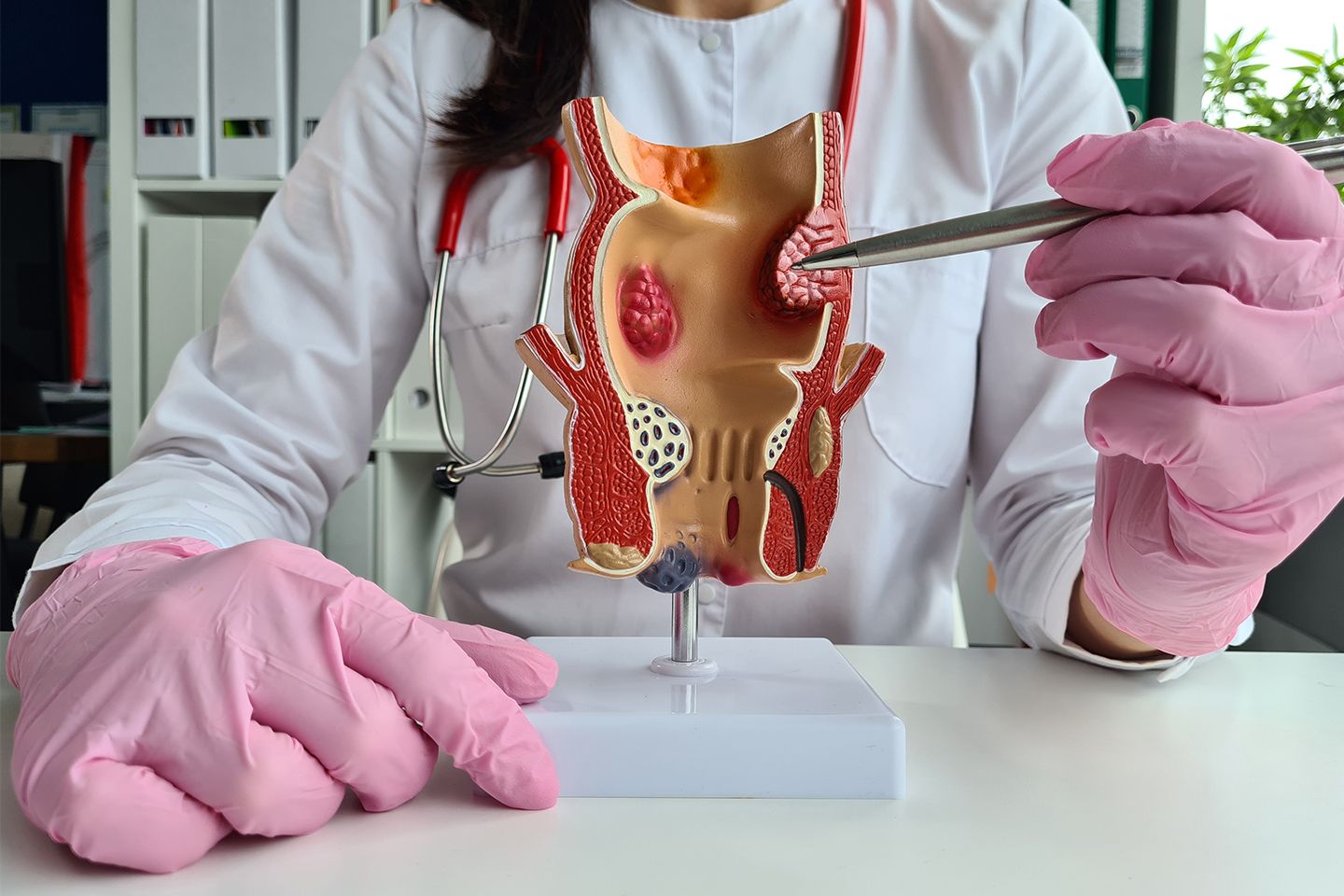
Hemorrhoid removal addresses existing swollen veins, but the underlying pressures that produced them may remain. Daily habits influence how the rectal tissues handle strain. Targeted lifestyle changes help lower the chance that symptoms return after treatment. When those changes support regular bowel movements and reduce pressure in the anal canal, healing may progress more smoothly, and the tissues experience less irritation over time. Here is more information on how lifestyle changes help prevent hemorrhoids:
What Happens After Hemorrhoid Removal?
After hemorrhoid removal, the treated area goes through a structured healing process, and the surrounding tissues gradually adapt to the change. The body forms new tissue over the surgical site. This tissue needs stable blood flow and minimal strain to mature properly. If bowel movements stay soft and predictable, the site experiences less friction, which supports a more comfortable recovery.
Discomfort may decrease as swelling subsides. The region remains sensitive, and sudden pressure may disrupt healing. The rectal veins still respond to straining and prolonged sitting. Those forces influence whether new hemorrhoids develop later. When patients stay well hydrated and avoid straining during bowel movements, they reduce the load on these veins and support long-term tissue stability.
How Are Hemorrhoids Prevented?
Prevention focuses on reducing repeated strain on the veins in the lower rectum, which usually relates to bowel habits. Hard stools require more effort to pass, and that effort raises pressure inside the anal canal. Softer stools move with less resistance. They place less stress on the vein walls during each bowel movement. A pattern of gentle, regular elimination supports healthier circulation in the area.
Time on the toilet also matters; long periods in a seated position compress the rectal veins and influence blood flow. Reading or using devices in the bathroom can lead to longer sessions and more pressure on the tissues. Shorter bathroom visits limit this compression, which helps reduce the chance that existing veins swell or that new hemorrhoids start to form. Consistent attention to these details supports prevention after hemorrhoid removal.
Body weight and activity level also play a role. They interact with bowel patterns over months and years. Extra abdominal pressure from excess weight affects venous return, and that pressure influences how blood pools in the rectal area. Regular physical activity supports digestion and promotes better blood flow through the pelvic veins. When patients make supportive lifestyle changes, hemorrhoid symptoms may be less likely to recur.
How Can Lifestyle Changes Help?
Targeted lifestyle changes create conditions that protect the rectal veins. When good habits become routine, they support the results of hemorrhoid removal and reduce the chance of future flare-ups.
- Adjust fiber intake. A diet with adequate fiber helps form soft, bulky stools that move more easily, which lowers the need for straining.
- Maintain steady hydration. Water supports stool softness to promote regularity.
- Respond to bowel urges promptly. Ignoring the urge to pass stool may lead to harder stools later, which encourages straining.
- Review medications with a clinician. Some medications affect stool consistency and can lead to constipation or diarrhea.
Make a Change Today
Hemorrhoid removal addresses current symptoms, but long-term relief depends on how the rectal tissues are treated afterward. When daily routines support softer stools, shorter bathroom visits, and steady movement, the veins in the area face less ongoing stress. Small lifestyle adjustments add up over time. They form a practical strategy for reducing the chance of hemorrhoid recurrence.
