

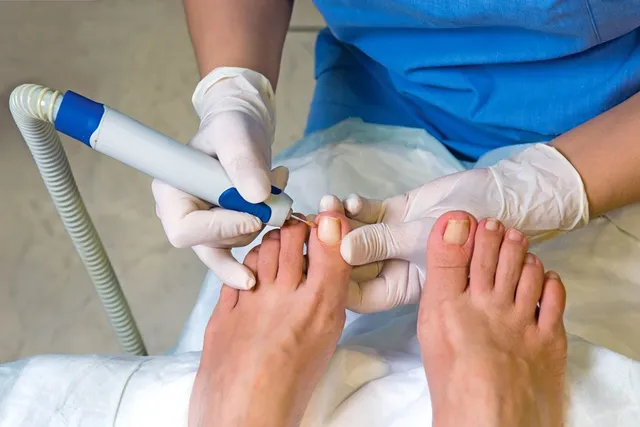
Ingrown toenails develop when the edge of a nail pushes into the skin beside it. Although the problem is common, you can lower your risk through everyday habits. Several practices help protect your toes; this includes properly trimming your nails and wearing the right shoes. Here are several tips for preventing ingrown toenails, as well as how to treat them if they occur:
Trim Your Nails With Care
The way you cut your toenails influences how they grow over time. When you round the corners, you encourage the nail to curve into the surrounding skin, but a straight edge helps guide it outward instead. Trim straight across in a clean line, and stop once the nail reaches the tip of your toe. If nails are cut too short, the surrounding skin is more likely to fold over the edge, which increases the risk of an ingrown toenail. Your tools also play a key role. Sharp, clean toenail clippers create a smooth, even cut, while dull blades may leave jagged edges that catch on socks or shoes. After trimming, file away any rough spots so they do not snag. Because warm water softens the nails, trimming them after a shower makes the process easier.
Select Footwear That Fits
Tight shoes place constant pressure on the sides of each toenail, which can push the nail edge into the surrounding skin. Choose shoes with a roomy toe box so your toes have enough space to spread naturally. Width matters just as much as length, so look for a shoe shape that closely matches the natural shape of your foot.
When shopping for new shoes, a few habits can help you find a better fit:
- Shop in the afternoon. Feet tend to swell throughout the day, so trying on shoes later in the day provides a more accurate fit.
- Inspect for wear. Worn shoes lose their shape over time and may no longer support your toes as effectively.
- Match your socks. Socks that bunch or fit too tightly reduce the benefits of properly fitted shoes, so choose a pair that lies smoothly.
Maintain Daily Foot Hygiene
Clean, dry feet are less likely to develop nail problems than neglected feet. Wash your feet each day with soap and water, and make sure to clean the spaces between your toes where moisture tends to collect. Dry your feet thoroughly before putting on socks, as this habit can support healthier feet over time. Daily activities also affect nail health. If you play sports or spend long hours on your feet, wear supportive footwear to help protect them. Replace athletic shoes when they show noticeable signs of wear. Change into clean, dry socks after exercise, and if a nail edge becomes red, swollen, or tender, consult a qualified foot care provider for guidance on proper treatment and footwear.
Treatment for an ingrown toenail varies depending on the condition’s severity. In mild cases, soaking the foot in warm, soapy water multiple times a day helps reduce swelling and relieve discomfort. If symptoms persist or worsen, a healthcare professional may recommend lifting the nail, removing part of it, or prescribing antibiotics to treat an infection.
Find Treatment for Ingrown Toenails
To help prevent ingrown toenails, trim your nails straight across and choose shoes that fit properly. Keep your feet clean and dry, and avoid tearing the nail at the corner. Although each step seems simple, together they support healthy nail growth and reduce unnecessary pressure. Protect your toes during sports or other demanding activities, and consult a foot care professional if you notice pain, redness, or swelling.
