

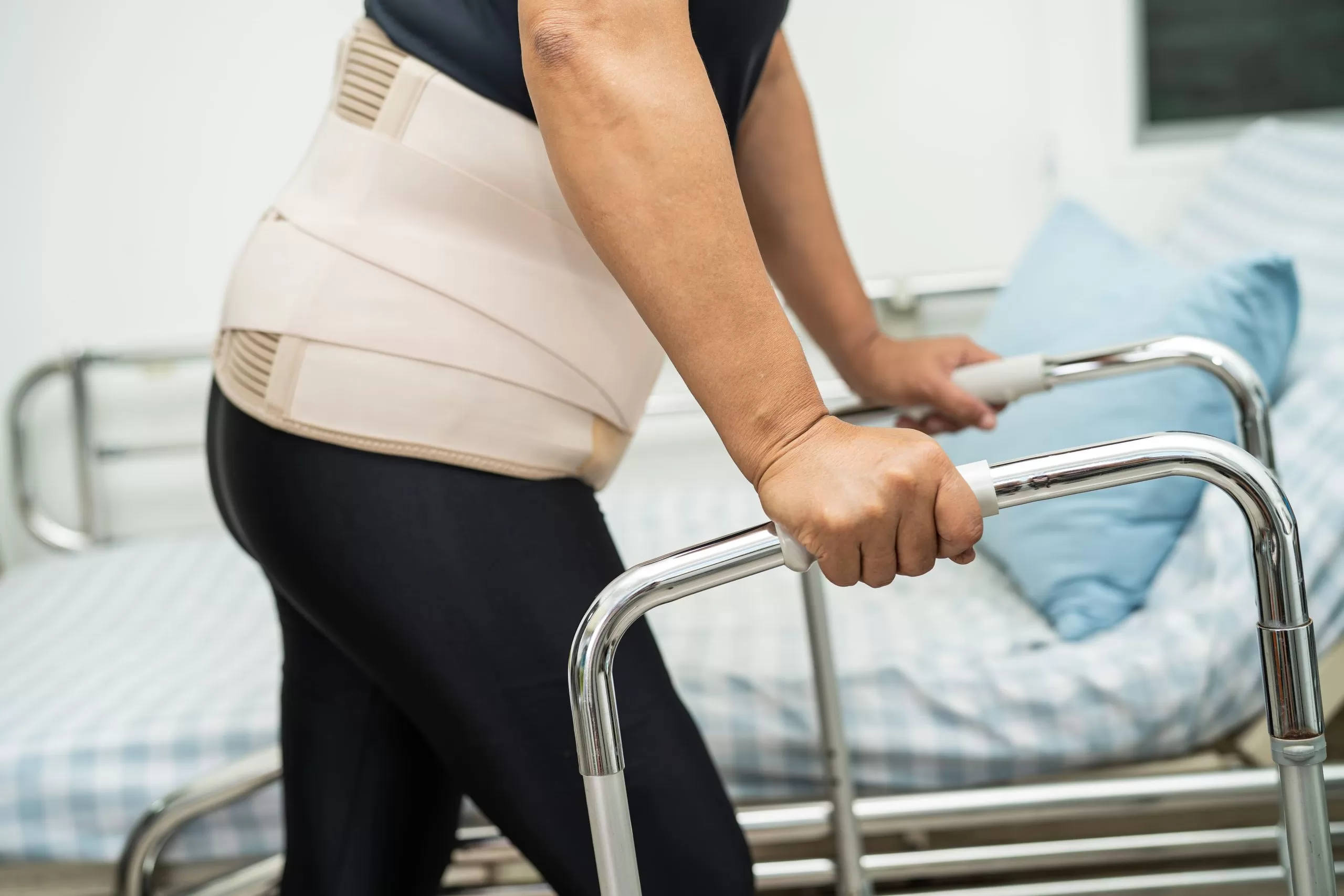
Hip replacement surgery removes a damaged hip joint and replaces it with an artificial one. Surgeons perform this procedure when arthritis or injury wears down the joint, and many patients turn to it after other treatments stop working. Since the surgery targets a specific joint, it addresses problems that limit daily movement. This is what the procedure involves and how it affects everyday life:
Restored Patient Mobility
A worn hip joint stiffens over time. When the damaged joint gets replaced, the new components allow smoother motion, and the range of movement typically improves as recovery progresses. Physical therapy supports this process after surgery.
Walking may become steadier for many people after hip replacement surgery. Since the artificial joint reduces bone-on-bone friction, tasks like climbing stairs feel less awkward, and patients can move during recovery. The joint responds to gradual strengthening exercises.
Recovery follows a structured timeline. Your care team guides you through each phase, and progress depends on following the recommended plan. Mobility milestones during recovery include:
- Increased ability to complete short walks within days
- Reduced reliance on walkers or canes
- Restored routine activities over several weeks
Eliminated Pain Source
Chronic hip pain interrupts sleep and daily tasks. Surgery removes the damaged surfaces that cause grinding, and this significantly lowers the pain that comes from movement. Patients may notice a major difference during rehabilitation. Since the source of friction gets addressed, pressure on surrounding tissue tends to ease over time.
Long-lasting Results
Modern implants use durable materials. These components hold up under regular use, and studies track how they perform across many years. Longevity depends on activity level, weight, and how well you follow care instructions.
Regular checkups help track the joint. Since your surgeon monitors the implant over time, small issues get caught early, and adjustments happen when needed. Routine imaging supports this ongoing review.
Factors that support implant durability include:
- Maintaining a healthy weight
- Following activity guidelines
- Attending scheduled follow-up appointments
Daily habits shape long-term outcomes. Your care team explains which activities suit your new joint, and staying active within those limits protects the implant. Consistency matters throughout the years that follow.
Renewed Patient Independence
Limited movement affects everyday choices. After recovery, people may manage tasks like dressing and cooking with less help, and this shift supports a more self-directed routine. Independence returns gradually.
Since pain and stiffness ease, some patients rejoin activities they set aside. Short walks, light housework, and outings become manageable again, and each step builds on the last. Your progress reflects the effort you put into rehabilitation.
Small victories add up during recovery. When you regain the ability to complete daily tasks, your abilities may grow, and that momentum supports continued activity. Consistency helps throughout this stage.
Schedule Hip Replacement Surgery
Hip replacement addresses joint damage that limits your daily life, and the procedure targets pain and stiffness, and recovery unfolds through a structured plan with your care team. If hip pain interferes with your routine, talk with an orthopedic specialist. A consultation helps you understand your options, and the surgeon reviews your health history before recommending a path forward. Contact a surgeon today to schedule your consultation and have them explain whether a hip replacement is right for you.
