

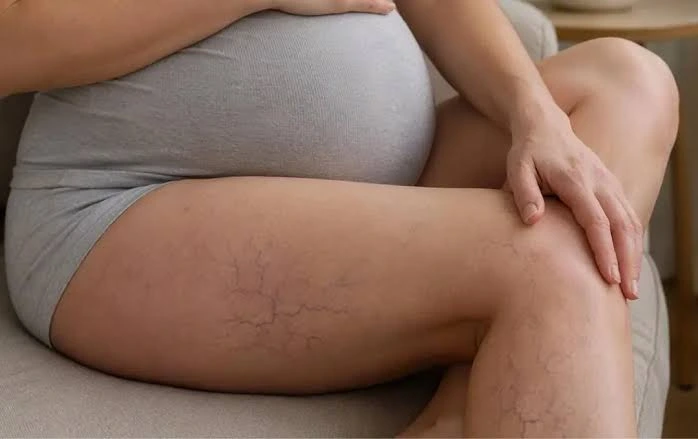
Varicose veins during pregnancy develop when increased blood volume, hormonal changes, and pressure on leg veins affect circulation. These enlarged veins may cause swelling, aching, or visible bulging, while symptoms vary throughout pregnancy. Because some veins improve after delivery, management are able to involve compression stockings, leg elevation, and movement before exploring additional treatments. Here is more information about varicose veins in pregnant women:
Understanding Pregnancy-Related Varicose Veins
Pregnancy causes hormonal and circulatory changes that affect how blood moves through the veins. Increased progesterone levels relax blood vessel walls, while higher blood volume places additional pressure on the circulatory system. As the uterus grows, it is able to compress pelvic veins and slow blood returning from the legs. These changes contribute to blood pooling within leg veins, producing the enlarged, twisted appearance associated with varicose veins.
Family history also influences the likelihood of developing varicose veins during pregnancy. Prolonged sitting or standing may increase discomfort, while carrying multiple babies places additional demands on circulation. Because pregnancy-related weight changes increase pressure on leg veins, symptoms sometimes become more noticeable during later trimesters. Individual risk varies based on genetics, circulatory changes, and daily activity patterns.
Recognizing Common Warning Signs
Varicose veins during pregnancy often appear as enlarged, twisted veins on the calves, thighs, or ankles. These veins may look blue or purple, while surrounding tissues sometimes become swollen or uncomfortable. Because symptoms vary between individuals, some women experience visible changes without significant discomfort. Common symptoms include:
- Noticing enlarged or twisted veins
- Experiencing aching or heavy legs
- Developing swelling around the ankles
- Feeling itching or burning sensations
- Experiencing nighttime leg cramps
Some symptoms become more noticeable during later pregnancy as blood volume and pressure on leg veins increase. Elevating the legs and changing positions sometimes reduces discomfort, while prolonged standing is able to worsen swelling. Because sudden one-sided swelling, pain, redness, or warmth may indicate a blood clot, these symptoms require prompt medical evaluation.
Managing Symptoms During Pregnancy
Managing varicose veins during pregnancy often involves daily habits that support circulation and reduce leg discomfort. Regular walking encourages blood movement through the legs, while changing positions helps limit prolonged pressure on the veins. Because extended sitting or standing may increase swelling, taking movement breaks throughout the day offers another management approach.
Elevating the legs during rest helps reduce swelling and feelings of heaviness. Compression stockings provide gentle pressure that supports blood returning toward the heart, although appropriate compression levels depend on individual needs. Sleeping on the left side may also reduce pressure on major abdominal blood vessels during pregnancy. Pregnant patients should discuss compression garments and exercise routines with their healthcare provider before making changes.
Additional lifestyle adjustments include avoiding prolonged periods of inactivity and participating in pregnancy-appropriate physical activities. Swimming and prenatal yoga offer low-impact movement options, while regular hydration supports normal bodily functions. Because varicose veins result from several pregnancy-related changes, these habits may relieve symptoms without eliminating the enlarged veins. Symptoms sometimes improve after delivery as blood volume and pressure on the veins decrease.
Treating Veins After Delivery
Veins often become less noticeable after childbirth as hormone levels and blood volume return toward their previous ranges. Some enlarged veins remain visible or uncomfortable, and a vein specialist may recommend further evaluation when symptoms persist. Because postpartum recovery varies, physicians review circulation, medical history, and symptoms before discussing treatment options. Management may include compression stockings, continued monitoring, or minimally invasive vein procedures when appropriate. Postpartum appointments also provide opportunities to discuss lingering swelling, leg discomfort, and concerns about future pregnancies.
Schedule a Vein Health Consultation
Varicose veins during pregnancy develop from hormonal changes, increased blood volume, and additional pressure on leg veins. Symptoms may improve after childbirth, while persistent swelling, aching, or enlarged veins sometimes require further evaluation. Because individual symptoms vary, a cardiovascular specialist assesses circulation and medical history before recommending appropriate management options. Schedule a consultation with a vein specialist today to discuss your symptoms and available treatment approaches.
