

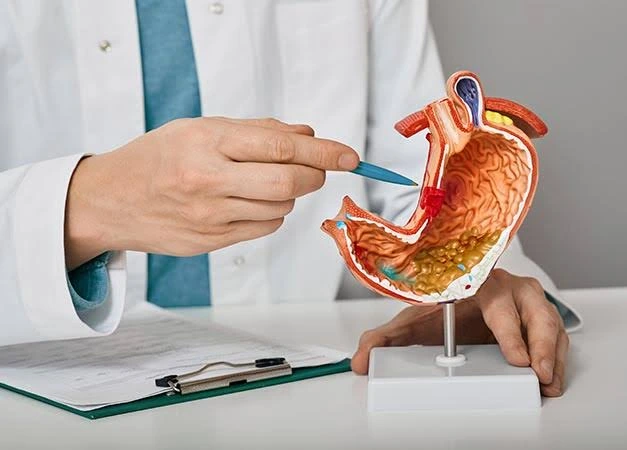
A gastroenterologist, or gastrointestinal (GI) doctor, treats the digestive system, and they study the esophagus, stomach, intestines, and related organs. People meet these specialists for a checkup, but their work goes much deeper. When symptoms point to a bigger issue, a GI doctor steps in with focused care. Here are some of the services they offer:
Laparoscopic Surgeries
Laparoscopic surgery uses small incisions instead of one large cut. A GI doctor inserts a thin camera to view internal organs, and the images guide each step. This method treats conditions like hernias, gallstones, and certain tumors.
Since the incisions stay small, recovery typically takes less time than open surgery. Surgeons remove or repair tissue with precise tools. The team monitors your progress closely. These methods aim for:
- Minimally invasive surgeries: Smaller incisions to reduce physical trauma to the body.
- Faster recovery time: Patients typically return to normal activities more quickly.
- Reduced risk of complications: Smaller wounds may lower the chances of infection or excessive bleeding.
- Less postoperative pain: Minimally invasive techniques result in less discomfort.
- Smaller scars: The smaller incisions typically lead to less noticeable scarring.
Routine Colonoscopies
A colonoscopy examines the large intestine and rectum. The doctor uses a flexible tube with a camera to inspect the lining, and this helps detect polyps early. Before the procedure, you follow a prep routine to clear the colon. During the exam, the specialist may remove small growths for testing. Regular screenings track changes over time.
Esophageal Procedures
The esophagus carries food from your mouth to your stomach. A GI doctor treats conditions that affect this passage, and each treatment targets a specific problem. Typical concerns include acid reflux, strictures, and swallowing trouble.
Some procedures widen a narrowed esophagus. Others take tissue samples for closer study. When you struggle to swallow, these methods help pinpoint the cause.
Specialists also manage Barrett’s esophagus, a condition that may cause chronic reflux. They schedule follow-up exams to watch for changes, and biopsies confirm the tissue status. Early tracking helps to keep the care plan clear.
Antibiotic Medications
Bacterial infections sometimes disrupt the digestive tract. A GI doctor prescribes antibiotics to treat these infections, and the choice depends on your test results. One major target is H. pylori, a bacterium that can cause stomach ulcers.
GI doctors treat several bacteria-related conditions:
- Stomach ulcers from H. pylori
- Small intestinal bacterial overgrowth
- Certain cases of diverticulitis
Since antibiotics affect gut balance, doctors monitor your response. They adjust the dose when needed. You follow the full course to clear the infection.
Endoscopic Procedures
An endoscopy lets a doctor view the upper digestive tract. The specialist guides a thin, lighted tube through the mouth, and the camera shows the stomach lining. This exam finds ulcers, inflammation, and bleeding.
Endoscopic tools are used for more than viewing. They collect tissue samples and stop minor bleeds. Doctors use these techniques for both diagnosis and treatment. Since each tool serves a purpose, the doctor selects the right one for your case.
Visit a GI Doctor Today
GI doctors treat more than routine complaints, and they perform surgeries, run screenings, and manage infections with targeted plans. Their tools reach areas that a standard checkup does not cover. If digestive symptoms trouble you, schedule an appointment with a gastroenterologist and bring a list of your symptoms and current medications. Call your local GI clinic today to book a consultation.
