

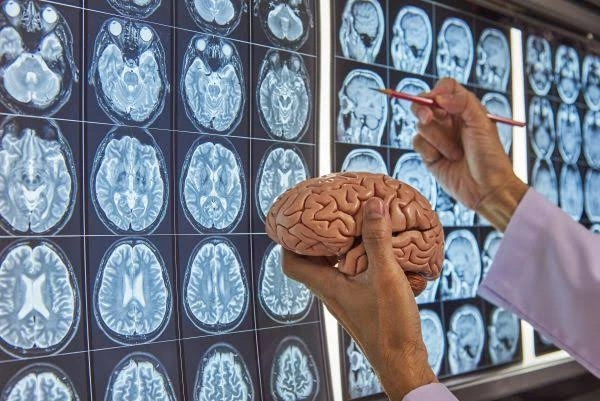
Neurological surgeons, who are also called neurosurgeons, are specialists who diagnose and treat conditions affecting the brain, spine, and nervous system. Their services range from minimally invasive procedures to complex surgeries, and understanding their role can help patients prepare more effectively. Here is more information on neurological surgeons and brain surgery:
What Are Neurological Surgeons?
Neurological surgeons are medical doctors who specialize in diagnosing and treating disorders of the brain, spinal cord, and peripheral nerves. Patients may be referred to a neurosurgeon after a neurologist or primary care doctor identifies a structural issue; this referral typically prompts a thorough review of the patient’s imaging results. Once the extent of a condition is assessed, the neurosurgeon determines whether surgery is appropriate.
What Services Do They Offer?
Neurosurgeons treat a wide range of conditions, including tumors, traumatic brain injuries, spinal disorders, and vascular abnormalities like aneurysms. Their work extends beyond the operating room; some neurosurgeons also manage chronic pain conditions, epilepsy, and nerve-related disorders that affect mobility or sensation. While surgical intervention is a core component of their practice, neurosurgeons are trained to evaluate the full scope of a patient’s condition before determining the most appropriate course of treatment.
Treatment plans vary based on the nature and severity of a patient’s condition. A neurosurgeon may recommend physical therapy, medication, or close monitoring, but surgery becomes the recommended option when a structural problem calls for direct intervention. When a tumor presses on brain tissue or an unstable spinal fracture poses significant risk, surgical correction may be the most effective solution.
What Is Brain Surgery?
Brain surgery refers to any surgical procedure performed on the brain to treat conditions such as tumors, blood clots, abnormal blood vessels, or traumatic injuries. The specific technique depends on the problem’s location and nature. Brain surgery types include:
- Craniotomy: A procedure where a section of the skull is temporarily removed to access the brain.
- Cranioplasty: A reconstructive procedure that repairs or replaces a portion of the skull.
- Endoscopic surgery: A minimally invasive technique that uses a thin, lighted instrument to reach the brain through small openings.
Each approach carries distinct recovery timelines. The neurosurgeon selects the method based on the condition’s complexity and location within the brain.
What Does It Involve?
Brain surgery preparation begins before the operating room, and thorough preparation is integral to a safe procedure. A neurosurgeon orders detailed imaging and lab work to map the surgical site. Patients meet with the surgical team to discuss anesthesia and expected outcomes, which helps identify and address potential risks before the procedure begins.
Before the surgery begins, the patient is placed under anesthesia. The surgical team uses imaging guidance throughout the procedure. They navigate precisely to the affected area, and this minimizes disruption to surrounding tissue while improving overall surgical accuracy.
Recovery varies depending on the procedure performed and the patient’s overall health. After discharge, patients rest, and some need physical or cognitive rehabilitation to restore function. When patients attend follow-up appointments, neurosurgeons can monitor healing and address complications before they become more serious.
Know What To Expect
Neurological surgeons bring specialized training in complex brain disorders; from diagnosing a condition to selecting the right surgical approach, their role spans pre- and post-operative care. Patients facing brain surgery benefit from understanding the terminology, the procedure types, and what recovery typically looks like. If you are looking to learn more about brain surgery, schedule a consultation with a neurosurgeon.
