

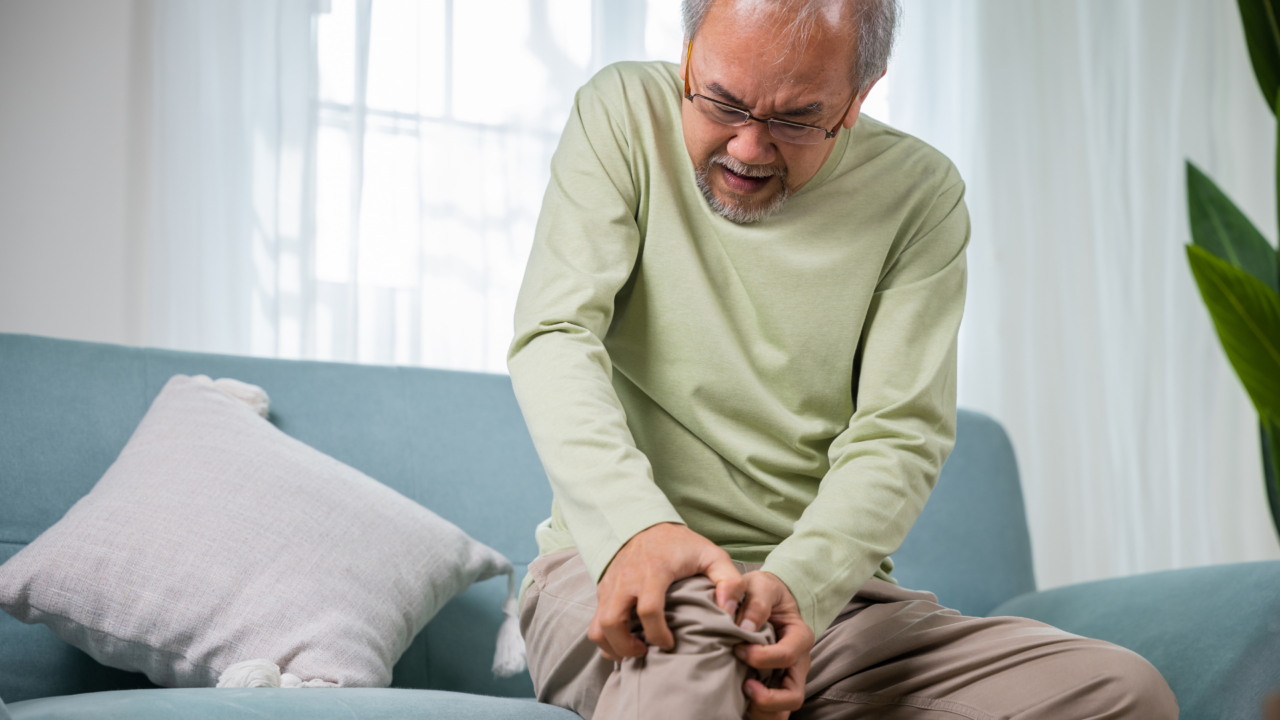
The knee joint is made up of tendons, ligaments, cartilage, and bone, and it absorbs stress throughout daily movement. Over time, this repeated stress can lead to pain and stiffness, especially as the body ages. Age-related knee pain often develops gradually and are able to worsen without early attention. Understanding the causes of knee discomfort helps guide appropriate care and supports better long-term joint health. Here is more information on what you should know about knee pain and aging:
Aging Joints
The knee joint connects the thigh bone to the lower leg bone and relies on cartilage to absorb impact and reduce friction during movement. Cartilage does not have its own blood supply, which limits its ability to repair itself over time. As it breaks down with age, the joint gradually loses its natural cushioning. This change can lead to stiffness and discomfort in daily movement.
Swelling often develops as the joint continues to wear down. Reduced cartilage can also increase friction between bones, which contributes to ongoing pain. These changes are able to affect mobility and make everyday activities more difficult. Understanding these age-related processes helps guide appropriate care and treatment decisions.
Identifying Common Causes
gradually affects the joint, and the cartilage between bones begins to break down. Osteoporosis can weaken bone density, while bursitis causes inflammation in the fluid-filled sacs around the knee. Tendonitis also develops from repeated strain on the surrounding tendons.
Other conditions can also contribute to knee pain, including:
- Ligament injuries such as ACL or MCL tears
- Torn cartilage
- Fractures
- Dislocations and infections
These conditions may result from injury, degeneration, or underlying disease. Identifying the exact cause helps guide appropriate treatment and supports better long-term joint health.
Recognizing Typical Symptoms
Knee pain can appear in different ways, and each symptom is able to indicate a different underlying cause. Swelling often develops as a sign of inflammation within the joint. Sharp, stabbing pain is able to suggest an acute injury, while a dull, aching sensation is more commonly associated with chronic joint wear or degeneration. When symptoms persist for several days or worsen over time, a medical evaluation can help determine the cause and guide appropriate care.
Exploring Available Treatments
Treatment for knee pain depends on the underlying cause and the severity of symptoms. Mild cases often improve with lifestyle changes such as rest, ice or heat application, compression, and weight management to reduce pressure on the joint. When symptoms continue, providers may recommend steroid injections for targeted relief or physical therapy to strengthen the muscles that support the knee. Surgery is typically reserved for severe cases involving significant structural damage.
Common treatment options include:
- Rest, ice or heat, compression, and weight management
- Steroid injections for inflammation and pain relief
- Physical therapy to improve strength and stability
- Surgical intervention for severe joint damage
Radiofrequency ablation offers a noninvasive option for some patients with persistent pain. This procedure uses radiofrequency energy to interrupt pain signals before they reach the brain, without requiring surgical incisions. By targeting nerve pathways directly, it can reduce discomfort and help patients return to daily activities more quickly. Outcomes vary depending on individual conditions and response to treatment.
Schedule Your Knee Pain Appointment
Knee pain can limit mobility and affect daily activities, but it is not a normal part of aging. Most knee conditions are able to be diagnosed and treated with appropriate medical care. When symptoms persist or worsen, a specialist evaluates the underlying cause to determine the best treatment approach. Contact a pain managment office today to schedule an evaluation and take the next step toward relief.
