

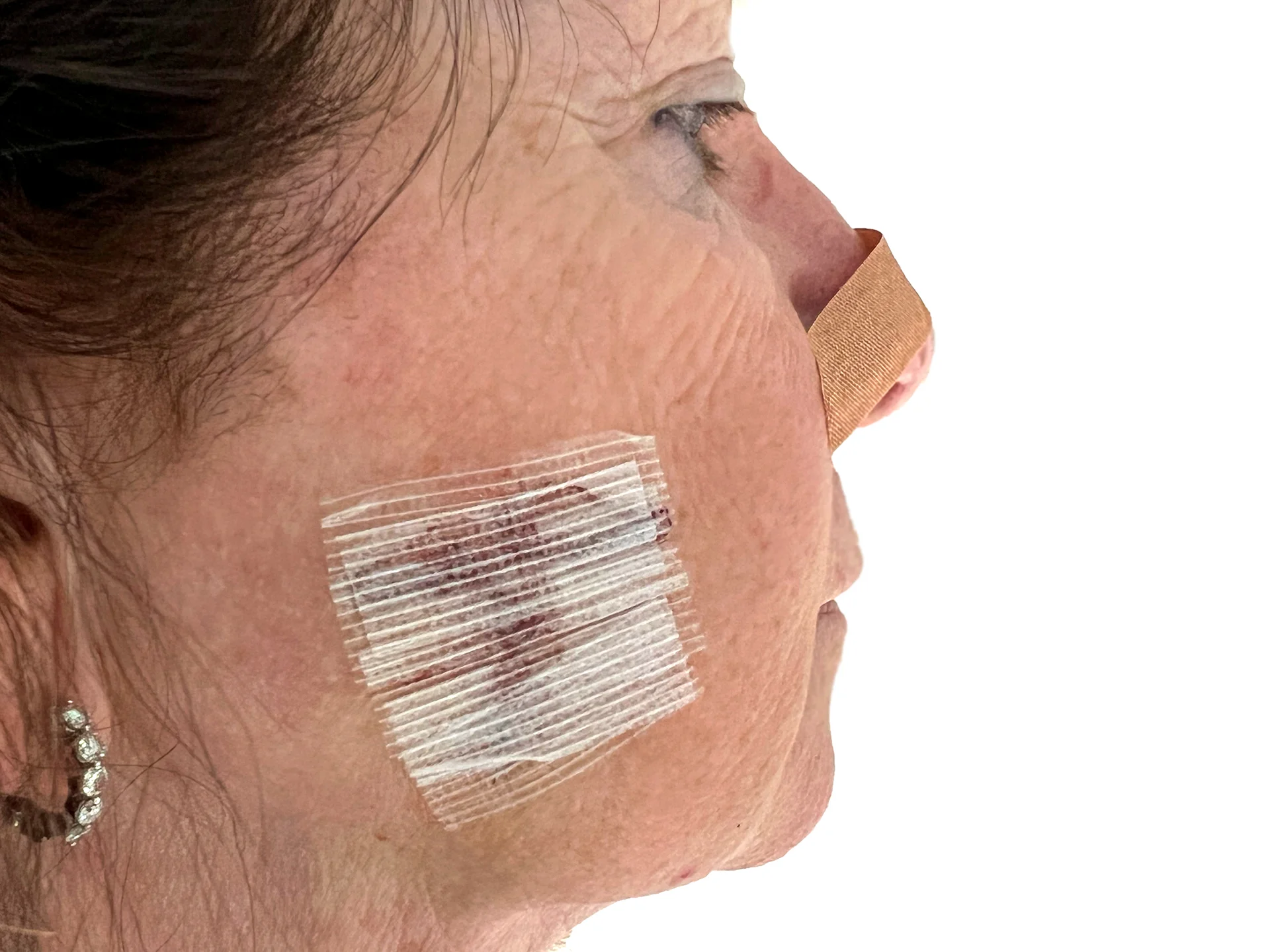
When determining how to treat skin cancer, physicians may recommend options that range from topical medications to more invasive surgical procedures, depending on the patient’s condition. Mohs surgery offers high precision and success rate, and this makes it a preferred choice for certain diagnoses. Patients ask about this technique often. Understanding what Mohs surgery treats and when physicians recommend it allows patients to make informed decisions about their care. Here is more information on Mohs skin cancer surgery and the factors that determine candidacy:
What Is Mohs Skin Cancer Surgery?
Mohs skin cancer surgery is a precise surgical technique used to remove skin cancer layer by layer, and it is one of the most effective methods for treating certain skin cancers. A surgeon removes a thin layer of tissue and examines it immediately under a microscope. If cancer cells remain at the margins, the surgeon removes another layer and repeats the examination process until no cancerous cells are detected in the tissue sample.
What Does It Treat?
Mohs surgery primarily treats basal cell carcinoma and squamous cell carcinoma. These are the two common forms of skin cancer, and they typically develop on sun-exposed areas such as the face, ears, neck, scalp, hands, and feet. Because these cancers often appear in visible or functionally sensitive locations, precise removal is key to preserving surrounding healthy tissue.
Doctors may select this method for cancers that present with one or more of the following characteristics:
- Poorly defined or irregular borders
- Recurrence after previous treatment
- Aggressive growth patterns identified under microscopic analysis
- Location in cosmetically or functionally sensitive areas
The layer-by-layer removal process lets surgeons trace and remove cancer cells that standard excision may miss.
When Is It Recommended?
Doctors typically recommend Mohs surgery based on several factors, including tumor location, size, and type. Cancers on the face, ears, nose, lips, hands, feet, and genitals may be strong candidates for this method because these areas require careful tissue preservation. Larger or aggressive tumors may benefit from the precision Mohs surgery provides, and tumors with unclear edges are also well-suited to this approach.
Patients with a history of recurrent skin cancer at the same site may receive a Mohs recommendation; recurring tumors are sometimes more complex. In these cases, cancer cells may extend beyond what is visible on the skin’s surface. Patients with weakened immune systems are potential candidates. A dermatologist will assess biopsy results, tumor characteristics, and the patient’s health history; this evaluation determines whether Mohs surgery is the most appropriate treatment.
What Does the Process Involve?
The surgeon first numbs the affected area, and then they remove a thin layer of tissue containing the visible tumor. The tissue is processed on-site. Because the surgeon examines the tissue edges under a microscope, they can identify any remaining cancer cells with precision.
When cancer cells are detected, the surgeon returns to the same location and removes another thin layer, targeting only the areas where cancer was found. This cycle continues until the tissue sample is completely clear of cancer cells, and wound closure follows. Once the tumor is fully removed, the surgeon and patient discuss closure options. Appointments may take a few hours.
Consult a Specialist Today
Mohs surgery offers a precise way to treat certain skin cancers while minimizing damage to surrounding healthy tissue. Patients with basal cell carcinoma, squamous cell carcinoma, or recurring tumors in sensitive areas may benefit from this approach; the layer-by-layer technique lets surgeons confirm complete removal of cancerous cells in a single visit. If you suspect you may need this treatment, schedule a consultation with a Mohs surgeon.
