

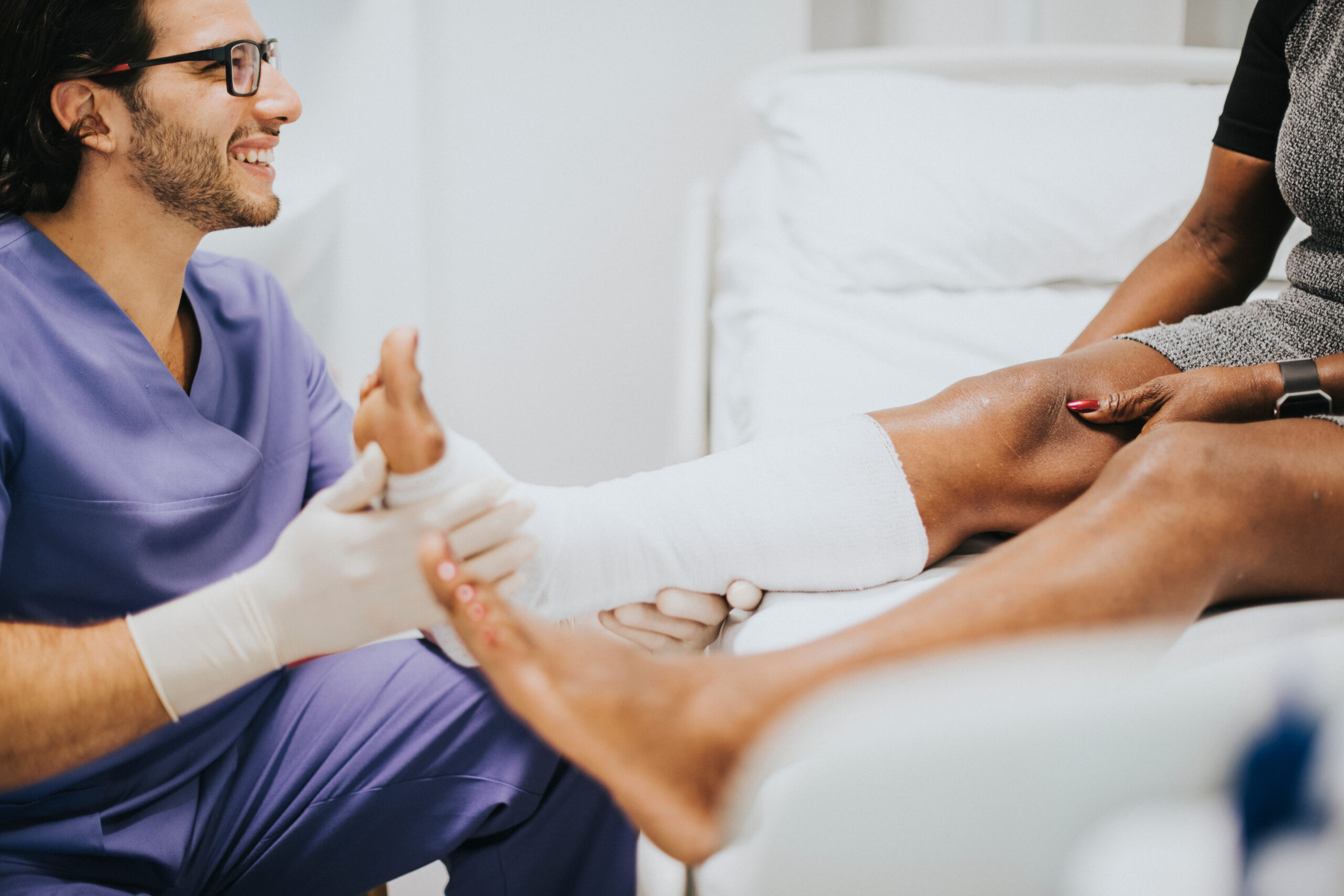
Orthopedics urgent care treats injuries to bones, joints, muscles, and ligaments. These clinics focus on musculoskeletal problems, and their staff sees sprains, fractures, and strains every day. If you twist an ankle or hurt a wrist, these clinics offer a direct orthopedic evaluation. Here are four practical features of these services for immediate injury assessment:
Same-day Appointments
Search online for”orthopedics urgent care,” and look for clinics that offer same-day appointments. Booking ahead gives you a set arrival time. Since the clinic expects you, the staff prepares your intake forms before you walk in. Some clinics also send text or email reminders before your visit.
If your primary care office has no openings, a same-day slot offers another option for prompt evaluation. Have your insurance card and a list of current medications ready. Check the clinic’s website for open times, or call the front desk for current availability.
On-site Diagnostics
Many orthopedic urgent care clinics have X-ray equipment on-site, which shortens the path to a diagnosis. A provider reviews the images during your visit. Some locations also offer ultrasound or MRI, but availability differs from clinic to clinic. Standard on-site services include:
- X-rays for suspected fractures and dislocations
- Splints and casting for stable breaks
- Braces and crutch fitting
- Ultrasound for some soft tissue injuries at select locations
Walk-in Availability
Not every injury happens on a predictable schedule. When you hurt your knee during a weekend game, a walk-in clinic lets you seek care without an appointment. Many orthopedic urgent care centers keep evening and weekend hours, but times vary by location. Check posted hours before you leave home.
Wait times depend on how many patients arrive before you. Some clinics post live wait times on their websites. You might check online before leaving home, or you might join a virtual line from your phone.
Walk-in care suits sprains, strains, and suspected minor fractures, but some injuries need an emergency room. If a bone breaks through the skin or a limb looks deformed, call 911 or go to the ER. Numbness, heavy bleeding, and head injuries also require emergency care.
Expert-guided Injury Care
Urgent care clinics typically employ providers with musculoskeletal training. While staffing varies, you may see an orthopedic surgeon, physician assistant, or nurse practitioner. These providers assess injuries daily, and they often follow orthopedic treatment protocols. This focus differs from general urgent care, where staff treat a wide range of illnesses. During your visit, a provider may:
- Examine range of motion, swelling, and joint stability
- Explain your diagnosis in plain terms
- Apply a splint, brace, or wrap
- Outline home care steps and activity limits
- Refer you to physical therapy or a specialist
Write down your questions before the visit, and bring them to the exam room. Follow-up plans differ by injury type. If your injury needs surgery, the clinic may connect you with an orthopedic surgeon for a consultation.
Find Orthopedics Urgent Care
When you search for a clinic, look for orthopedic urgent care centers near your home or work. Review each clinic’s hours and confirm which insurance plans it accepts. Many clinics also list self-pay prices on their websites. Save the clinic’s address and phone number in your phone for quick access.
