

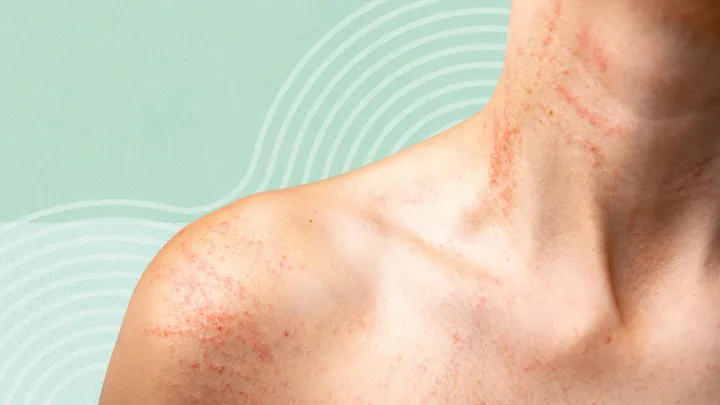
The skin is the body’s largest organ and serves as the first line of defense against environmental threats. It protects against harmful bacteria, regulates body temperature, and helps maintain overall health. Despite its resilience, the skin is vulnerable to a wide range of conditions that can affect people of all ages.
Understanding common skin conditions can help individuals recognize symptoms early and take steps to maintain healthy skin. While some skin issues are temporary and mild, others may require professional evaluation. Learning about causes, symptoms, and prevention strategies can improve skin health and quality of life.
This article explores some of the most common skin conditions, their causes, warning signs, and practical prevention tips.
Why Skin Health Matters
Healthy skin performs several essential functions. It acts as a protective barrier, prevents excessive water loss, and contributes to the body’s immune system. When skin problems develop, they can affect physical comfort, self-confidence, and overall well-being.
Skin conditions may be caused by genetics, environmental factors, lifestyle habits, allergies, infections, or immune system responses. Knowing what to look for can help individuals make informed decisions about skin care.
Acne
What Is Acne?
Acne is one of the most common skin conditions worldwide. It occurs when hair follicles become clogged with oil, dead skin cells, and bacteria.
Common Symptoms
- Whiteheads
- Blackheads
- Pimples
- Red or inflamed bumps
- Cysts or nodules
- Oily skin
Possible Causes
Several factors contribute to acne development, including:
- Hormonal changes
- Excess oil production
- Certain medications
- Stress
- Family history
- Cosmetic products that clog pores
Prevention Tips
- Wash the face gently twice daily
- Avoid picking or squeezing blemishes
- Use non-comedogenic skincare products
- Remove makeup before sleeping
- Maintain a consistent skincare routine
Eczema
Understanding Eczema
Eczema, also known as atopic dermatitis, is a chronic condition that causes inflammation and irritation of the skin. It often begins during childhood but can affect adults as well.
Symptoms
- Dry skin
- Itching
- Red patches
- Thickened skin
- Cracked or scaly areas
Common Triggers
- Allergens
- Harsh soaps
- Dry weather
- Stress
- Certain fabrics
- Environmental irritants
Prevention Strategies
Keeping the skin moisturized is one of the most effective ways to reduce flare-ups. Other helpful measures include:
- Using fragrance-free products
- Taking shorter showers
- Wearing breathable clothing
- Identifying personal triggers
- Avoiding harsh skincare ingredients
Psoriasis
What Is Psoriasis?
Psoriasis is an autoimmune skin condition that causes skin cells to multiply faster than normal. This rapid growth leads to thick, scaly patches.
Common Signs
- Raised red patches
- Silvery scales
- Itching
- Dry, cracked skin
- Joint discomfort in some individuals
Risk Factors
Several factors may increase the likelihood of developing psoriasis:
- Family history
- Immune system dysfunction
- Stress
- Smoking
- Certain infections
Prevention and Management
Although psoriasis cannot always be prevented, people can reduce flare-ups by:
- Managing stress levels
- Avoiding smoking
- Maintaining healthy lifestyle habits
- Following a consistent skincare routine
Rosacea
Understanding Rosacea
Rosacea is a chronic skin condition that primarily affects the face. It often causes redness and visible blood vessels.
Symptoms
- Facial redness
- Flushing
- Small red bumps
- Eye irritation
- Sensitive skin
Common Triggers
- Hot beverages
- Sun exposure
- Alcohol
- Stress
- Spicy foods
- Extreme temperatures
Prevention Tips
People with rosacea may benefit from:
- Daily sunscreen use
- Gentle skincare products
- Avoiding known triggers
- Protecting skin from extreme weather
Contact Dermatitis
What Is Contact Dermatitis?
Contact dermatitis occurs when the skin reacts to an irritant or allergen.
Symptoms
- Redness
- Itching
- Swelling
- Rash
- Blisters
Common Causes
- Nickel jewelry
- Cosmetics
- Cleaning products
- Fragrances
- Plants such as poison ivy
Prevention Measures
- Identify and avoid triggers
- Wear protective gloves when handling chemicals
- Use hypoallergenic products
- Read ingredient labels carefully
Fungal Skin Infections
Overview
Fungal infections develop when fungi grow on the skin. These infections commonly occur in warm, moist areas of the body.
Common Types
- Athlete’s foot
- Ringworm
- Jock itch
Symptoms
- Itching
- Redness
- Scaling
- Circular rashes
- Cracked skin
Prevention
- Keep skin dry
- Avoid sharing personal items
- Wear breathable clothing
- Practice good hygiene
Skin Cancer Awareness
Why Early Detection Matters
Skin cancer is one of the most commonly diagnosed cancers in the United States. Early recognition can improve outcomes.
Warning Signs
Watch for changes in:
- Size of moles
- Shape of moles
- Color variations
- New skin growths
- Non-healing sores
Prevention Strategies
- Use broad-spectrum sunscreen daily
- Wear protective clothing
- Seek shade during peak sunlight hours
- Avoid indoor tanning
Lifestyle Habits That Support Healthy Skin
Eat a Balanced Diet
Nutrient-rich foods support overall skin health. Consider incorporating:
- Fruits
- Vegetables
- Whole grains
- Lean proteins
- Healthy fats
Stay Hydrated
Proper hydration helps maintain skin function and appearance.
Get Adequate Sleep
Sleep allows the body to repair and regenerate tissues, including the skin.
Manage Stress
Chronic stress may contribute to certain skin conditions. Stress-management techniques can support overall wellness.
Avoid Smoking
Smoking can accelerate skin aging and negatively impact skin health.
When to Seek Medical Advice
While many skin concerns can be managed with healthy habits, professional evaluation may be beneficial if you experience:
- Persistent rashes
- Severe itching
- Painful skin lesions
- Sudden changes in moles
- Skin symptoms that do not improve
Early assessment can help identify underlying issues and support appropriate care.
Conclusion
Common skin conditions affect millions of people and can arise from a variety of causes. Acne, eczema, psoriasis, rosacea, contact dermatitis, and fungal infections are among the most frequently encountered skin concerns. Understanding symptoms, recognizing triggers, and practicing preventive skin care can help maintain healthier skin.
Regular skincare habits, sun protection, hydration, and healthy lifestyle choices all contribute to long-term skin wellness. Staying informed is one of the best ways to support healthy skin throughout life.
FAQs
What is the most common skin condition?
Acne is considered one of the most common skin conditions, affecting people of all ages.
Can stress affect skin health?
Yes. Stress may contribute to flare-ups of conditions such as acne, eczema, and psoriasis.
How often should sunscreen be used?
Daily sunscreen use is recommended, even on cloudy days.
Are skin conditions always hereditary?
No. While genetics can play a role, environmental and lifestyle factors also contribute.
Can diet influence skin health?
A balanced diet may support healthy skin and overall wellness.
When should I be concerned about a mole?
Changes in size, shape, color, or texture should be evaluated by a healthcare professional.
