

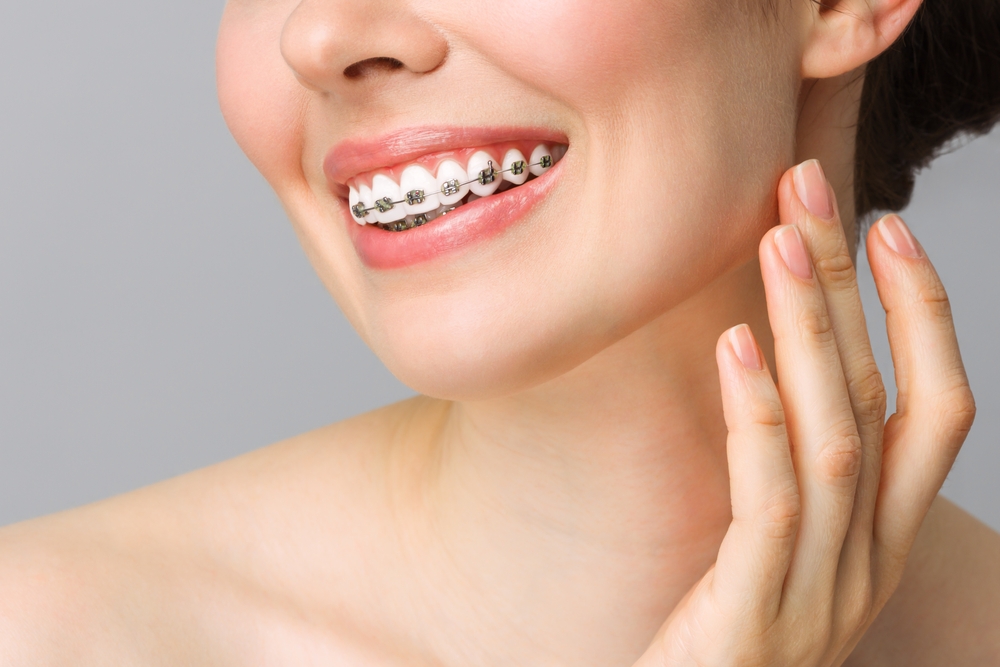
Misaligned teeth can affect your ability to chew, speak clearly, and maintain proper oral hygiene. Teeth straightening helps correct dental alignment and bite problems, improving how your teeth function during everyday activities. Here is more information on how teeth straightening can improve your oral functionality:
Improving Bite Alignment
Your bite refers to how your upper and lower teeth fit together when you close your mouth. When teeth sit out of place, the bite can become uneven, and this often creates pressure on certain areas of the jaw. Teeth straightening brings the upper and lower rows into a more balanced position, helping the bite function more smoothly.
A well-aligned bite distributes force across many teeth. This balance is key to how the mouth handles daily tasks such as biting and talking. Bite problems often fall into a few common categories. Here are some of them:
- Overbite: The upper front teeth extend too far over the lower teeth.
- Underbite: The lower teeth sit in front of the upper teeth.
- Crossbite: Some upper teeth close inside the lower teeth instead of outside.
- Open bite: The upper and lower teeth fail to touch when the mouth closes.
Making Chewing Easy
Chewing relies on teeth that meet in a stable and predictable way. When teeth are crowded or tilted, food is often harder to break down, and some bites may feel uneven. Straightening the teeth helps the chewing surfaces line up, and this can make grinding food more efficient.
Efficient chewing supports the first step of digestion. Well-aligned teeth cut and crush food into smaller pieces, which helps the rest of the process run more smoothly. When your teeth share the effort evenly, chewing may become more comfortable on both sides of the mouth. Straighter teeth also make it easier to clean between chewing surfaces. Crowded teeth trap food in tight spaces, while aligned teeth leave clearer gaps for brushing and flossing.
Supporting Clear Speech
Teeth play a fundamental role in forming sounds. Your tongue, lips, and teeth work together to produce letters, and misaligned teeth can interfere with this process. Teeth straightening repositions teeth so the tongue and lips have a stable surface to work against. Here are some speech patterns that connect directly to tooth position:
- Whistling sounds: Gaps between teeth may cause air to escape during certain letters.
- Lisping: An open bite can change how the tongue meets the front teeth.
- Muffled sounds: Crowded teeth may limit tongue movement.
Reducing Uneven Tooth Wear
Teeth naturally wear down through daily use, but misaligned teeth can wear unevenly. When a few teeth carry most of the pressure, those surfaces may break down faster than the rest. Teeth straightening spreads contact more evenly, and this can slow uneven wear across the mouth. Even wear helps teeth last through years of biting and chewing. Aligned teeth meet across a wider surface, so no single tooth handles an outsized load. This balanced contact is key to keeping teeth functional as you age.
Schedule Your Teeth Straightening Appointment
Properly aligned teeth improve appearance. They also distribute pressure evenly, reducing wear and maintaining functionality as you age. Addressing uneven contact points often leads to a more comfortable and balanced bite over time. Contact a qualified orthodontist near you to schedule your teeth straightening appointment today.
