

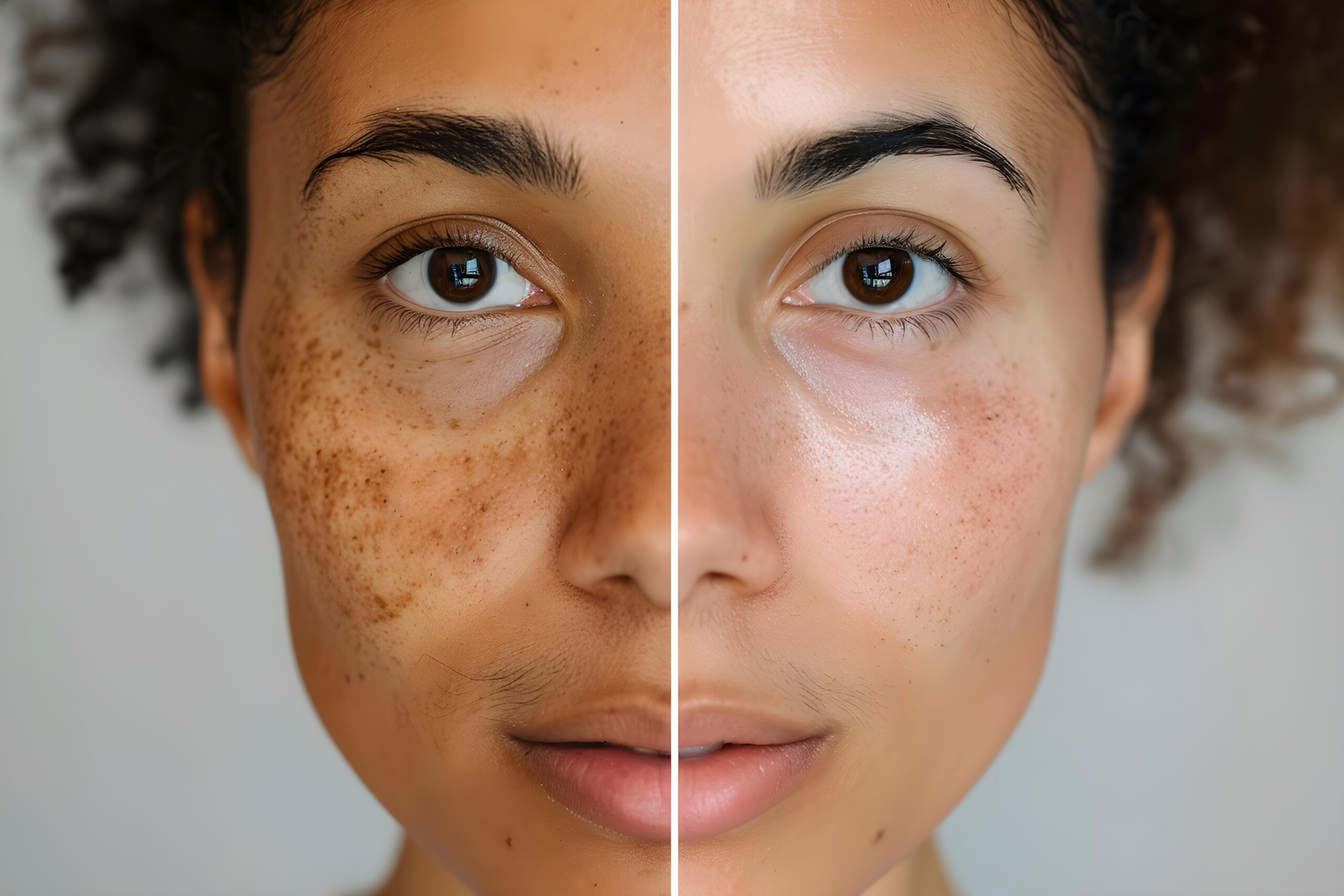
Hyperpigmentation is skin darkening caused by excess melanin production, and it is often triggered by sun exposure, hormonal changes, or skin injury. A dermatologist can diagnose the underlying cause. Once the cause is identified, they may recommend targeted treatments to reduce discoloration and protect the skin from further damage. Here is more information on hyperpigmentation, sun damage, and what specialized care involves:
What Is a Dermatologist?
A dermatologist is a medical doctor who specializes in diagnosing and treating skin, hair, and nail conditions. Patients can see a dermatologist for both medical and cosmetic concerns. Medical visits address rashes, infections, or suspicious moles, while cosmetic visits often focus on aging, scarring, or pigmentation issues. Because dermatologists understand skin biology at the cellular level, they can identify the root cause of discoloration. This allows them to develop targeted treatment plans rather than only addressing surface symptoms.
What Is Hyperpigmentation?
Hyperpigmentation refers to patches of skin that appear darker than the surrounding area. When melanocytes, the cells that produce melanin, generate more pigment than usual, darker patches form. The skin’s tone becomes uneven, and the result can range from small freckles to larger, irregular patches.
Several forms of hyperpigmentation exist, and each has distinct characteristics. Melasma typically appears as symmetrical patches on the face. It is linked to hormonal fluctuations, which makes it particularly common during pregnancy. Sunspots develop from cumulative sun exposure over time. Post-inflammatory hyperpigmentation occurs after the skin heals from acne, cuts, or other injuries, leaving behind a discoloration that may fade gradually as the skin regenerates.
What Causes Hyperpigmentation?
Sun exposure is one of the most common triggers for hyperpigmentation. When ultraviolet (UV) rays reach the skin, they stimulate melanocytes to produce more pigment as a protective response. Over months or years, this process can lead to visible dark spots; repeated exposure without adequate protection compounds this effect.
Other causes include:
- Hormonal changes, such as those experienced during pregnancy
- Skin injuries, including cuts, burns, or acne breakouts that trigger inflammation
- Certain medications that increase sun sensitivity or affect pigment production
- Genetic predisposition, which can make some individuals more prone to developing dark spots
What Does Specialized Care Involve?
Treatment for hyperpigmentation begins with a thorough evaluation. A dermatologist will examine the affected skin and review the patient’s medical history; specialized tools may be used to assess pigment depth. Since the type and cause of discoloration vary by individual, this initial step helps determine the most effective treatments.
Common treatment options include topical agents that lighten dark spots over time, and they also help even out overall skin tone. Chemical peels remove the outer layer of skin so new, more evenly pigmented skin can surface. When discoloration is deeper or more persistent, laser therapy targets pigment, breaking it down so the body can clear it naturally.
Sun protection is a core component of any treatment plan. Daily use of broad-spectrum sunscreen prevents existing spots from darkening further, and it also reduces the likelihood of new ones forming. Because pigmentation returns without consistent preventive care, a dermatologist may recommend a maintenance routine to sustain results after initial treatment concludes.
Seek Specialized Dermatologic Care
Hyperpigmentation develops from many factors, including sun exposure, hormones, and skin injury; identifying the specific cause allows for a treatment plan suited to the individual. A dermatologist can guide patients toward effective, lasting results. If you have dark spots or uneven tone, schedule a consultation with a dermatologist. Early evaluation can prevent further discoloration.
