

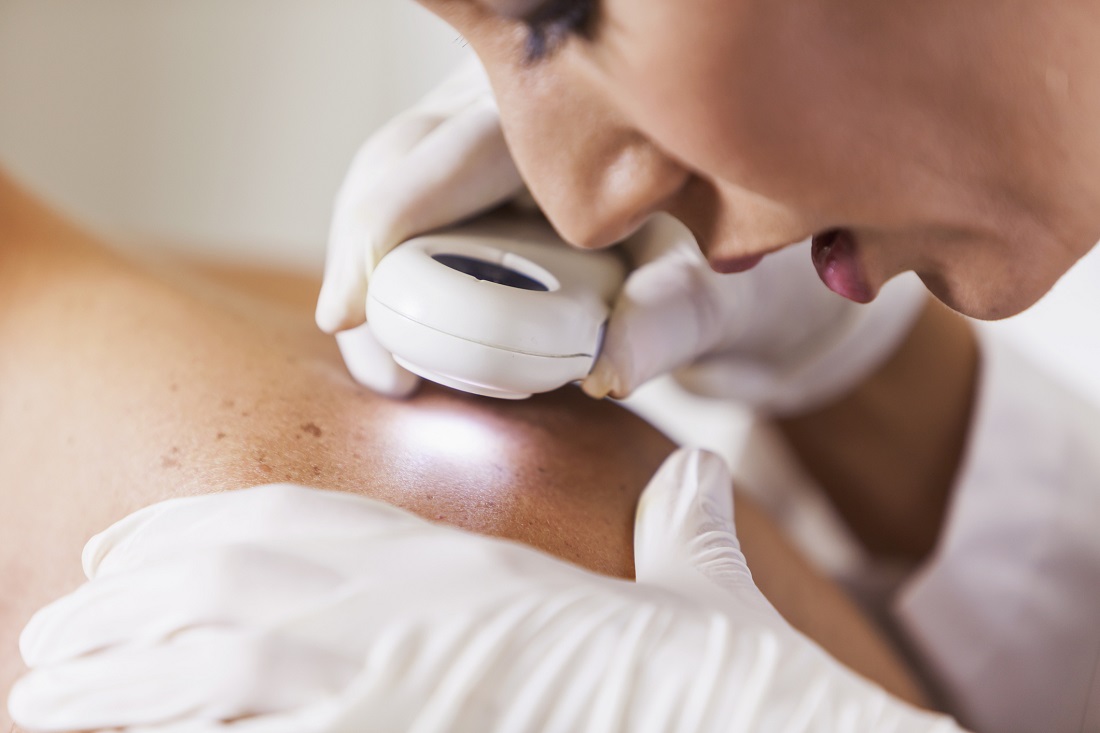
Skin cancer is among the most common cancers in the United States. Because it develops on the skin’s surface, it is often visible during its earliest stages. This makes awareness and regular skin checks important for recognizing potential warning signs.
Many people overlook subtle changes in their skin, assuming they are harmless. However, early detection plays a significant role in identifying concerning changes before they progress. Understanding the appearance of suspicious moles, growths, and skin lesions can help individuals know when to seek professional medical advice.
This guide explains the early signs of skin cancer, common risk factors, prevention strategies, and the importance of routine skin monitoring.
Understanding Skin Cancer
Skin cancer develops when abnormal skin cells grow uncontrollably. Excessive exposure to ultraviolet (UV) radiation from sunlight or tanning devices is a major contributing factor.
Common Types of Skin Cancer
Basal Cell Carcinoma
This is the most common form of skin cancer. It typically develops in sun-exposed areas and often grows slowly.
Squamous Cell Carcinoma
This type may appear as a rough, scaly patch or a firm bump and often develops on areas frequently exposed to the sun.
Melanoma
Melanoma is less common but considered more serious because it can spread to other parts of the body if not detected early.
The ABCDE Rule for Moles
One of the most recognized methods for evaluating moles is the ABCDE rule.
A – Asymmetry
One half of the mole does not match the other half.
B – Border
The edges appear irregular, blurred, or uneven.
C – Color
Different shades of brown, black, red, white, or blue may appear within the same lesion.
D – Diameter
The spot is larger than approximately 6 millimeters, although smaller melanomas can occur.
E – Evolving
The mole changes in size, shape, color, or appearance over time.
Common Early Signs of Skin Cancer
New Growths on the Skin
A new mole, bump, or lesion that develops unexpectedly should be monitored carefully.
Changes in Existing Moles
Changes in color, size, texture, or shape can indicate potential concerns.
Sores That Do Not Heal
Persistent sores that bleed, crust, or fail to heal over several weeks may require evaluation.
Itching or Tenderness
Some skin cancers may cause itching, tenderness, or discomfort.
Bleeding Lesions
Spots that bleed without obvious injury should not be ignored.
Pearly or Shiny Bumps
Basal cell carcinoma often appears as a shiny or translucent bump.
Scaly Patches
Persistent rough or scaly areas may indicate squamous cell carcinoma.
Risk Factors for Skin Cancer
Several factors may increase risk, including:
- Frequent sun exposure
- History of sunburns
- Fair skin
- Light-colored eyes
- Family history
- Numerous moles
- Use of tanning beds
- Increasing age
Skin Self-Examinations
Performing monthly skin checks can help identify changes early.
Areas to Examine
- Face
- Neck
- Scalp
- Arms
- Hands
- Chest
- Back
- Legs
- Feet
Using a mirror can help inspect hard-to-see areas.
Prevention Strategies
Wear Sunscreen Daily
Choose a broad-spectrum sunscreen and apply it consistently.
Seek Shade
Limiting direct sun exposure during peak hours can help reduce UV exposure.
Wear Protective Clothing
Long sleeves, hats, and sunglasses provide additional protection.
Avoid Indoor Tanning
Tanning beds emit UV radiation that can increase skin cancer risk.
Monitor Skin Changes
Regular observation increases the likelihood of identifying concerning changes early.
When to Seek Medical Advice
Consider professional evaluation if you notice:
- A changing mole
- A new suspicious growth
- Persistent sores
- Unexplained bleeding
- Rapid changes in skin appearance
Conclusion
Recognizing the early signs of skin cancer can support timely medical evaluation and improved awareness. Monitoring moles, protecting the skin from UV exposure, and performing regular skin checks are valuable habits that contribute to skin health.
FAQs
What is the earliest sign of skin cancer?
Changes in an existing mole or the appearance of a new suspicious growth may be early signs.
Is every changing mole cancerous?
No. However, significant changes should be evaluated by a healthcare professional.
How often should I check my skin?
Monthly self-examinations are commonly recommended.
Can skin cancer occur in younger adults?
Yes. Although risk increases with age, skin cancer can occur at any age.
Are tanning beds safe?
No. Tanning beds expose the skin to UV radiation and may increase skin cancer risk.
Should sunscreen be worn indoors?
Daily use is often recommended, especially when exposed to sunlight through windows.
